
Table of Contents
- Why Salons Switch Away From Natulique
- Formaldehyde-Free Salon Treatments That Deliver Results
- Top Professional Hair Care Alternatives
- How to Choose a Professional Hair Care Brand
- Keratin-Infused Hair Care Solutions for Salon Inventory
- Cost-Benefit Analysis: Switching Professional Lines
- Conclusion
Last Updated: August 22, 2026
Why Salons Switch Away From Natulique
Professional salons abandon established product lines for one reason: they stop delivering what clients demand. Natulique alternatives for professional salons have become essential because the market has shifted toward formaldehyde-free treatments, organic certifications, and sustainable practices that older systems simply weren't designed to support.
The shift isn't about dismissing Natulique's legacy. It's about recognizing that salon owners face mounting pressure from three directions simultaneously. Clients increasingly ask about ingredient transparency and chemical exposure risks. Regulatory scrutiny around salon safety has intensified. And competition from salons offering cleaner, certified alternatives has become fierce.
What most salon owners miss is that switching isn't a wholesale overhaul, it's a strategic decision to stock lines that align with where the market is moving. A salon carrying only conventional keratin treatments loses clients who've heard about ammonia-free options or certified organic formulas. The cost of staying put exceeds the cost of transition.
At Kerarganic Cosmetics, LLC, we've analyzed what drives these decisions. Salons that maintain client loyalty do so by offering professional-grade solutions that meet three criteria: proven performance on damaged hair, transparent ingredient profiles, and business margins that justify shelf space. Natulique alternatives that check all three boxes become non-negotiable inventory.
Formaldehyde-Free Salon Treatments That Deliver Results
Formaldehyde-free treatments represent the baseline expectation in modern salons, not a premium feature. The shift happened because clients learned that formaldehyde exposure during salon treatments poses genuine health risks, respiratory irritation, allergic reactions, and cumulative exposure concerns that salons can't ignore (the CDC).
The technical reality: formaldehyde-releasing agents (like methylene glycol) were standard in keratin treatments because they cross-link proteins efficiently and produce dramatic smoothing results. Removing them requires reformulation that maintains hair integrity while delivering visible results. This is harder than it sounds, which explains why many "formaldehyde-free" products underperform.
A professional-grade formaldehyde-free treatment must accomplish three things simultaneously. First, it rebuilds disulfide bonds in chemically compromised hair without harsh aldehydes (peer-reviewed research). Second, it produces measurable frizz reduction and shine enhancement that clients notice immediately. Third, it maintains results through 8-12 shampoos before requiring reapplication, anything less and salon margins collapse.
The best formaldehyde-free alternatives use botanical extracts, peptide complexes, and advanced humectants instead of aldehyde chemistry. They work slower than traditional keratin treatments (typically 20-30 minutes processing time versus 15-20), but the trade-off is worth it: clients see results without health concerns, and salons eliminate liability risk.
When evaluating formaldehyde-free options, look for products that specify their active chemistry. Vague language like "natural keratin complex" or "plant-based smoothing" often masks mediocre formulations. Strong alternatives clearly state their mechanism, whether that's peptide bonding, protein cross-linking through non-toxic agents, or moisture-sealing technology.
Top Professional Hair Care Alternatives
The professional salon market has consolidated around a handful of systems that deliver measurable results while meeting modern client expectations for ingredient transparency and sustainability. These alternatives to Natulique represent different philosophies about how to repair and protect hair.
Kerarganic Professional Treatment Collection
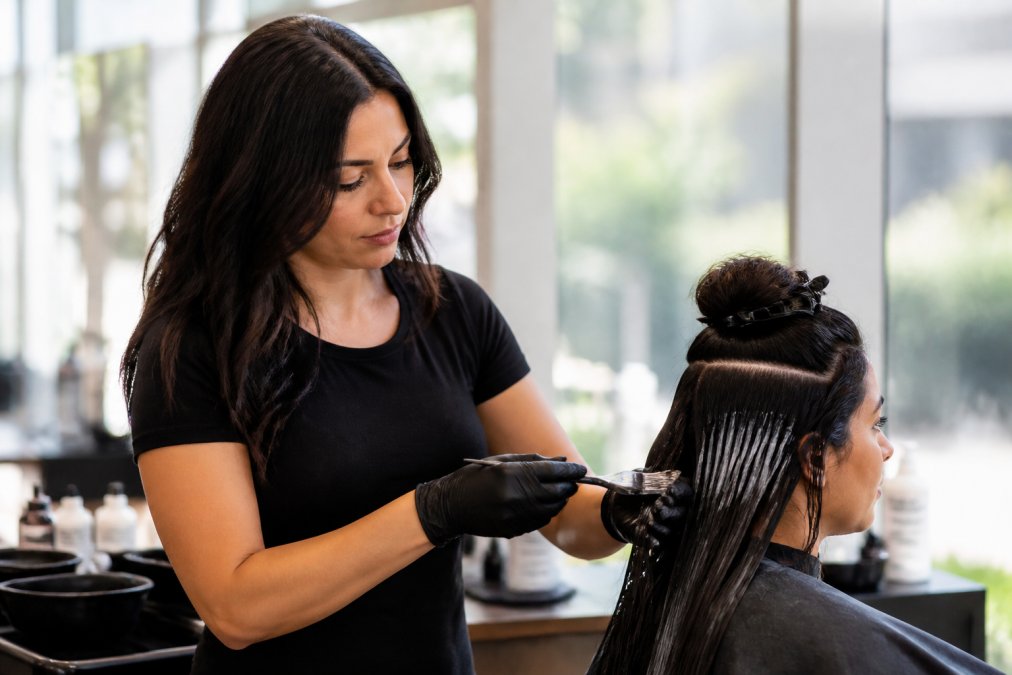
Kerarganic's Professional Treatment Collection stands apart because it addresses a specific problem most salons face: how to repair severely over-processed hair without requiring multiple product lines. The system includes pre-treatment cleansing, intensive keratin treatment, and post-treatment sealing, designed as an integrated protocol rather than standalone products.
The formulation emphasizes real restoration for chemically compromised hair. Pre-treatment products remove mineral buildup and prepare the hair cuticle for maximum absorption. The treatment itself uses high-molecular-weight keratin combined with organic botanical extracts to rebuild structural integrity. Post-treatment products seal results and extend longevity between applications.
What distinguishes this collection is the focus on professional salon use. Kerarganic designed the system for stylists who need reliable, repeatable results across diverse hair types and damage levels. The products work on everything from minimally processed natural hair to severely bleached textures, which simplifies salon inventory management.
Salons appreciate that Kerarganic products perform without requiring extensive training or complicated application protocols. Results appear within the first application, visible smoothing, reduced frizz, and enhanced shine that clients recognize immediately. The system maintains effectiveness through multiple shampoos, which translates to client satisfaction and repeat bookings.
Olaplex Professional Products
Olaplex built its reputation on bond-building technology, a patented approach to repairing broken disulfide bonds in damaged hair. The professional line extends this chemistry into salon treatments that work alongside chemical services like coloring and bleaching.
The core advantage is that Olaplex products actually repair structural damage rather than just coating hair temporarily. When hair undergoes chemical processing, disulfide bonds break. Olaplex's technology rebuilds these bonds, which means hair becomes stronger and healthier rather than merely appearing smoother. This distinction matters for clients undergoing frequent color services.
Professional stylists value Olaplex because it integrates into existing salon workflows. Stylists can add Olaplex treatments to color services, bleaching sessions, or standalone repair appointments. The products work in conjunction with other professional lines, so switching doesn't require complete inventory replacement.
The trade-off is cost and client education. Olaplex products position at the premium end of the market, which means salon margins depend on educating clients about bond repair technology. Clients who understand the mechanism become loyal repeat customers, but the sales conversation requires more sophistication than simpler positioning.
Pureology Professional Haircare
Pureology takes a different approach: formulating 100% vegan, sulfate-free products specifically for color-treated hair. The system centers on the AntiFade Complex, a proprietary blend designed to preserve color vibrancy while maintaining hair health.
This line appeals to salons specializing in color services. Stylists recommend Pureology's shampoos, conditioners, and treatments to clients who've just undergone color or bleaching, positioning the products as essential maintenance. The vegan positioning attracts environmentally conscious clients, which has become a meaningful market segment.
Pureology's strength lies in product range and specialization. The line includes targeted solutions for hydration, strength, shine, and color protection, allowing stylists to recommend specific products based on individual client needs. The concentrated formulas reduce water waste, which appeals to salons pursuing sustainability certifications.
The limitation is focus. Pureology excels for color-treated hair but doesn't position as strongly for general keratin repair or smoothing treatments. Salons carrying Pureology typically maintain it alongside another line for clients seeking straightening or intensive restoration services.
Davines Professional Haircare
Davines represents the sustainability-first philosophy in professional hair care. The company partners with salons through its Sustainable Beauty Partner Program, providing not just products but a complete system for salon marketing, retail signage, and client education around ethical sourcing.
The product lines, Essential Haircare, Naturaltech, and OI, emphasize active ingredients sourced from Regenerative Organic Certified farms. This means the supply chain meets rigorous environmental and labor standards, which appeals to salons marketing themselves as ethical businesses.
What separates Davines from competitors is the salon support infrastructure. The company provides customizable retail signage, social media toolkits, and educational materials that help salons communicate their commitment to sustainability. This transforms Davines from a product line into a brand positioning strategy.
The trade-off is that Davines requires salon commitment. Stylists need to understand the sustainability story to communicate it effectively to clients. Salons that embrace this positioning see strong client loyalty and premium pricing power, but it demands more than simply stocking products.
How to Choose a Professional Hair Care Brand
Selecting a natulique alternative for professional salons requires evaluating five factors that determine whether a line will actually improve salon profitability and client satisfaction.
First, assess performance on your actual client base. A product line that performs brilliantly on fine, color-treated hair may disappoint on thick, textured hair. Request sample sizes and test the products on clients with the damage profiles you see most frequently. Real-world performance matters infinitely more than marketing claims.
Second, evaluate ingredient transparency. Modern clients ask detailed questions about what's in their products. Brands that clearly document their formulations, certifications, and manufacturing standards build client trust. Vague ingredient lists or unsubstantiated claims about "natural" or "organic" content signal weakness.
Third, examine the business model. Some brands require exclusive distribution agreements or minimum order quantities that strain cash flow. Others offer flexible wholesale pricing that works for small salons. Calculate the actual margin you'll earn on recommended products and whether that margin justifies shelf space and stylist education time.
Fourth, consider the education requirement. Products that require minimal stylist training and complicated application protocols create friction in busy salons. The best professional lines deliver obvious results with straightforward protocols that stylists can execute consistently.
Fifth, assess long-term viability. A brand with strong salon relationships, consistent product innovation, and transparent communication about ingredient changes signals stability. Brands that disappear from distribution or make sudden formula changes create inventory risk.
The strongest professional lines excel in at least three of these categories. A product that delivers exceptional performance but requires exclusive distribution agreements and complicated protocols may not be worth the operational burden. Conversely, a line that's easy to use but underperforms on damaged hair won't build client loyalty.
Keratin-Infused Hair Care Solutions for Salon Inventory
Keratin-infused treatments remain the core demand driver in professional salons because they address the most common client complaint: frizz and lack of control. But not all keratin products deliver equivalent results, and salon owners need to understand what distinguishes high-performance formulations from mediocre ones.
Professional-grade keratin treatments contain higher concentrations of hydrolyzed keratin than consumer products, which means they penetrate deeper and produce more dramatic results (peer-reviewed research). The keratin molecules fill gaps in damaged hair cuticles, restoring smoothness and shine. This mechanism is straightforward, but execution varies dramatically based on formulation quality.
The best keratin solutions combine keratin with complementary ingredients that enhance penetration and longevity. Humectants like glycerin draw moisture into the hair shaft. Botanical extracts provide antioxidant protection and reduce frizz-causing humidity sensitivity. Amino acids strengthen the hair structure itself rather than just coating the surface.
Professional salons benefit from keratin systems that work across diverse hair types and damage levels. A treatment that performs excellently on fine, color-treated hair but fails on thick, textured hair creates client dissatisfaction. The strongest formulations deliver consistent results regardless of hair type, which simplifies salon messaging and client expectations.
Keratin treatments also need to be compatible with other salon services. A keratin system that interferes with color services or requires extended wait times before styling limits its utility. The best professional lines integrate seamlessly into existing salon workflows without creating operational friction.
When evaluating keratin-infused solutions, look for products that specify their keratin type and concentration. Hydrolyzed keratin penetrates better than intact protein molecules. Concentration matters, professional formulations typically contain 1-3% hydrolyzed keratin, while consumer products often use 0.1% or less. Higher concentration doesn't automatically mean better results, but it's a signal of professional-grade formulation.
Cost-Benefit Analysis: Switching Professional Lines
Switching from Natulique to an alternative requires calculating both direct costs and indirect benefits to determine whether the change improves salon economics.
Direct costs include inventory transition. You'll have leftover Natulique stock that either sells through at discounted prices or becomes a sunk cost. New product lines require initial orders to stock treatment sizes, maintenance products, and retail bottles. The transition period typically requires 30-60 days before new inventory turns over consistently.
Operational costs involve stylist training and education. Your team needs to understand the new products' protocols, ingredient profiles, and client positioning. Some brands provide comprehensive training; others assume stylists will figure it out. Budget time for team education and plan for a learning curve where application efficiency dips temporarily.
Indirect costs emerge from client communication. Existing clients accustomed to Natulique need explanation for why you've switched. Some will resist change. Stylists need talking points about why the new line delivers better results or aligns with client values. This communication burden is real but temporary.
Benefits accrue through improved client outcomes. If the new line delivers superior results, clients notice immediately. Better results drive repeat bookings, higher satisfaction ratings, and word-of-mouth referrals. Clients also become more willing to purchase retail products for home maintenance, which increases ticket value per appointment.
Margin improvement matters significantly. Calculate the gross margin you earn on treatment services and retail sales with your current line versus the alternative. A line with slightly lower performance but substantially better margins may improve overall salon profitability. Conversely, a line with exceptional performance but razor-thin margins may not justify the switch.
Competitive positioning has real value. If competitors carry similar products, switching to a differentiated alternative gives you marketing advantage. A salon known for formaldehyde-free treatments or certified organic products attracts clients who prioritize those attributes. This positioning premium can justify higher service pricing.
The strongest switches occur when the new line outperforms the existing line on actual client results while maintaining or improving margins. Performance improvements create client satisfaction, which drives loyalty and referrals. Margin improvements fund the transition costs and create room for stylist incentives that drive adoption.
Switching to a natulique alternative for professional salons isn't about abandoning a familiar brand, it's about aligning your inventory with where client expectations have moved. The market demands formaldehyde-free treatments, transparent ingredients, and proven results on damaged hair. Kerarganic Cosmetics, LLC delivers on all three with professional-grade formulations that rebuild strength, eliminate frizz, and extend salon treatment results. The formaldehyde-free keratin treatments in our Professional Treatment Collection provide the performance your clients expect without the health concerns that drive them away. Explore our organic-based collections and discover how professional-quality products transform both client outcomes and salon profitability. [SHOP NOW]
Frequently Asked Questions
What makes a professional hair care brand worth switching to from Natulique?
The best professional alternatives offer superior performance on specific concerns: color longevity, grey coverage, scalp sensitivity management, or hair integrity after chemical services. Look for brands that provide clear ingredient transparency, dermatological safety testing, and proven results with your client demographic. Brands like Olaplex excel at damage repair through bond-building technology, while Kerarganic's formaldehyde-free keratin solutions target stylists needing organic-based options. The right switch depends on whether your clients prioritize vegan certifications, sustainable practices, or maximum color retention.
Are formaldehyde-free salon treatments as effective as traditional formulas?
Yes, modern formaldehyde-free salon treatments deliver comparable or superior results. Formaldehyde-free options eliminate scalp sensitivity and chemical exposure risks while maintaining pigment saturation and hair cuticle smoothing. Professional lines like Kerarganic and Davines use advanced botanical extracts and keratin compounds that achieve the same color longevity and frizz reduction without the health concerns. Performance depends on application technique and the specific product chemistry rather than formaldehyde presence. Many salons report improved client retention after switching because clients experience fewer adverse reactions.
How do keratin-infused hair care solutions compare to other damage-repair systems?
Keratin-infused solutions rebuild hair strength and smoothness by replenishing proteins lost during chemical processing. Unlike bond-building systems (like Olaplex) that repair internal structure, keratin treatments coat and reinforce the hair cuticle. Both approaches work; keratin excels for frizz elimination and immediate shine, while bond-builders target long-term structural damage. For salon inventory, keratin-infused lines offer faster visible results and appeal to clients seeking smoothing benefits. Choose keratin if your client base values curl reduction and shine; choose bond-building if they've undergone extensive bleaching or coloring.
What should I evaluate when choosing between professional hair care brands for my salon?
Assess five criteria: (1) ingredient safety, verify certifications like Regenerative Organic Certified or vegan status; (2) performance data, grey coverage percentages, color fading rates, and hair integrity metrics; (3) client appeal, does your demographic prioritize sustainability, luxury positioning, or affordability; (4) salon profitability, compare wholesale margins and product turnover rates; (5) professional support, does the brand provide training, marketing assets, and distributor relationships. Brands like Davines offer robust salon support and sustainability programs, while Kerarganic focuses on formaldehyde-free innovation. Request sample kits and client feedback before committing to a full inventory switch.
This article was written using GrandRanker