
Table of Contents
- What the Research Says About Keratin Treatment Safety
- The Real Risk: Formaldehyde and Your Health
- What Is a Formaldehyde-Free Keratin Treatment?
- How Long Do Keratin Treatments Last and Why It Matters for Safety
- Keratin Treatment Aftercare Tips to Protect Your Hair
- At-Home vs. Professional: Which Is Safer?
- Final Verdict: Is Keratin Treatment Safe for Your Hair?
- Frequently Asked Questions
Last Updated: September 5, 2026
What the Research Says About Keratin Treatment Safety
Whether is keratin treatment safe for hair depends almost entirely on one variable: the ingredients in the specific formula used. Traditional salon treatments often rely on formaldehyde or formaldehyde-releasing chemicals, and that is where the health concerns originate. At Kerarganic Cosmetics, LLC, our position is clear: the treatment itself is not the problem, the chemical delivery system often is.
A keratin treatment is a protein-based smoothing process that coats the hair shaft to reduce frizz, add shine, and improve manageability by breaking and reforming disulfide bonds in the hair cuticle. The health distinction is whether the formula uses formaldehyde (a known carcinogen) or safer alternatives like glyoxylic acid and natural amino acids.
The core tension you need to understand: many popular salon brands still use formaldehyde because it is cheap and highly effective at straightening. The FDA guidance on formaldehyde in hair smoothing products explains that formaldehyde gas is released when these products are heated with flat irons, which is exactly when you are inhaling it. This is why the conversation about safety is really a conversation about ingredient transparency.
Below, we break down the actual risks, what "formaldehyde-free" really means, how long treatments last, and how to protect your hair at home or in a salon.
The Real Risk: Formaldehyde and Your Health
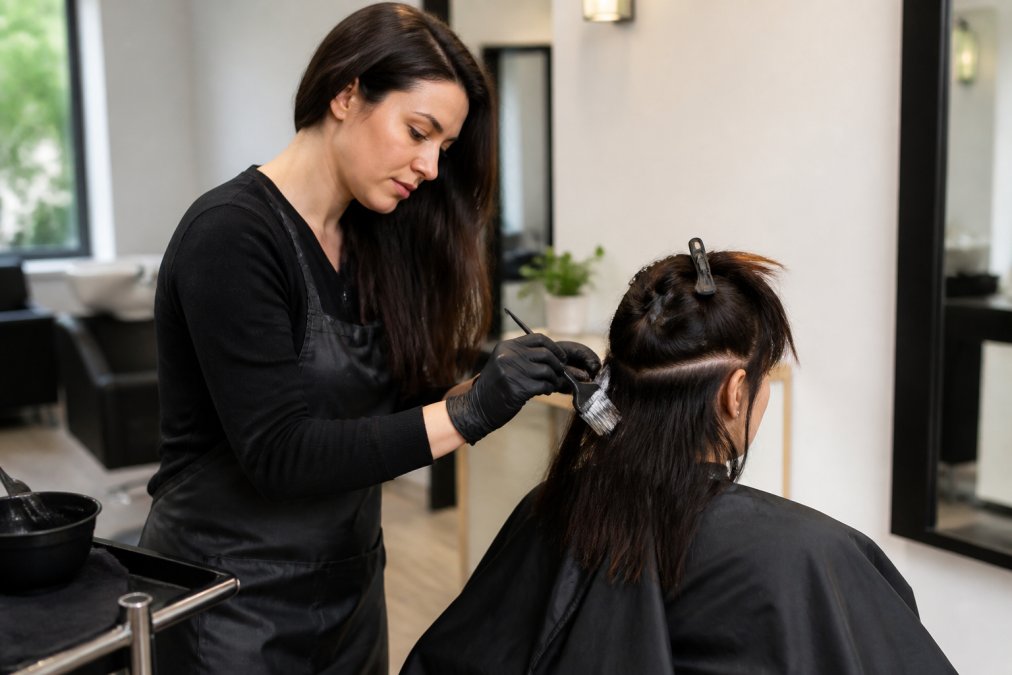
The primary health hazard in traditional keratin treatments is not keratin itself, it is the formaldehyde used to make the smoothing effect last. When a stylist applies a formaldehyde-based solution and then seals it with a flat iron at temperatures between 350°F and 450°F, the chemical vaporizes into gas. Those fumes are what cause the burning eyes, scratchy throat, and coughing that many clients report during salon treatments. The FDA guidance on formaldehyde in hair smoothing products states that formaldehyde gas is released when these products are heated, and the agency has received reports of adverse events including hair loss, scalp irritation, and respiratory distress.
The regulatory picture is clearer than most consumers realize. The Occupational Safety and Health Administration (OSHA) sets a permissible exposure limit of 0.75 parts per million (ppm) for formaldehyde in the workplace over an 8-hour shift, with a short-term exposure limit of 2 ppm over 15 minutes. Studies of salon air quality during smoothing treatments have measured formaldehyde levels well above those thresholds, sometimes exceeding 1 ppm in the stylist's breathing zone during a single application. The National Institute for Occupational Safety and Health findings on formaldehyde exposure has classified formaldehyde as a potential occupational carcinogen and recommends engineering controls like local exhaust ventilation to reduce exposure for salon workers.
For the client, a single treatment every few months is a concentrated burst of exposure. For the stylist performing multiple treatments daily, it is cumulative. The National Cancer Institute links prolonged occupational exposure to formaldehyde with myeloid leukemia and nasopharyngeal cancer in industrial settings. Repeated inhalation over years is the concern rarely discussed in marketing.
Watery eyes, a scratchy throat, a mild headache, or a metallic taste after a treatment are not acceptable side effects, they are signs of chemical exposure. Dermatitis and allergic reactions on the scalp can also occur, particularly for those with sensitive skin.
Understanding the Difference: Formaldehyde vs. Formaldehyde-Releasers
A truly formaldehyde-free formula uses alternatives like glyoxylic acid, cysteine, or natural amino acids to smooth hair without releasing toxic gas when heated. However, some brands use "formaldehyde-releaser" chemicals, methylene glycol, formalin, or certain quaternary ammonium compounds, that break down into formaldehyde when heated. These are technically formaldehyde-free in the bottle but dangerous in the salon chair.
The FDA notes that products labeled "formaldehyde-free" can still contain methylene glycol, which releases gas when heated. Look for treatments listing glyoxylic acid, cysteine, or hydrolyzed keratin as active agents, and avoid formalin, methylene glycol, or DMDM hydantoin.
A genuinely safe formula is transparent about ingredients. Look for organic bases, argan oil, and keratin proteins rather than chemical preservatives. Ask to see the ingredient list before application, if the salon cannot produce one, that is a red flag.
What Is a Formaldehyde-Free Keratin Treatment?
A formaldehyde-free keratin treatment uses natural ingredients to achieve results comparable to traditional treatments without the health risks. These formulas rely on glyoxylic acid, which smooths the cuticle through a different mechanism, combined with argan oil, essential amino acids, and vitamins that rebuild strength.
Formaldehyde-based treatments often leave hair brittle or overly straight because they aggressively break down internal structure. Formaldehyde-free alternatives smooth the cuticle while maintaining elasticity and movement, making them better for damaged, over-processed, or naturally textured hair.
For those who want salon-quality results without the health trade-offs, Kerarganic Cosmetics, LLC offers a range of formaldehyde-free treatments designed for both professional stylists and at-home use. The ORGANIC KERATIN SYSTEM - STEP 2 - FORMALDEHYDE FREE includes 24kt gold nanoparticles for added brilliance, combined with certified organic argan oil and essential fatty acids to repair and protect the hair. This is the kind of formula that answers the safety question with confidence: no toxic fumes, no respiratory irritation, just nourishment and smoothing.

How Long Do Keratin Treatments Last and Why It Matters for Safety
Keratin treatments typically last 2 to 5 months, depending on formula, hair type, and maintenance. This duration matters for safety because it determines how often you expose your hair and lungs to chemical processing.
Hair porosity affects longevity. Porous, damaged hair absorbs treatment more readily, extending results, but is more vulnerable to harsh chemicals. Low-porosity hair may not absorb as deeply, shortening results.
Weaker formulas may seem safer but require more frequent reapplication, increasing cumulative exposure. A higher-quality, longer-lasting treatment maintained with sulfate-free products is smarter for hair health and overall wellbeing.
Keratin Treatment Aftercare Tips to Protect Your Hair
Proper aftercare separates a keratin treatment that lasts for months from one that fades in weeks. The rules are straightforward, but they require discipline.
The First 72 Hours: Why the Waiting Period Exists
For the first 72 hours, hair cannot get wet, tied back, pinned, or tucked behind ears. Heat from the flat iron opens the cuticle, allowing keratin to penetrate the cortex; as hair cools, the cuticle closes and traps the protein. Moisture, friction, or tension during cooling disrupts the bond, causing premature frizz or uneven texture.
Clients who wash on day two report fading within 2-3 weeks; those who wait 72 hours see results lasting 3-4 months. The difference is whether the keratin was allowed to set.
Sulfate-Free Is Non-Negotiable, Here Is Why
The most common mistake is using the wrong shampoo. Sulfates (SLS and SLES) strip oils and proteins from hair, pulling deposited keratin out of the cuticle and accelerating fading. Sulfate-free shampoo is a chemical requirement, not a marketing preference.
Sulfate-free formulas use gentler surfactants like sodium cocoyl isethionate or cocamidopropyl betaine, which cleanse without breaking the keratin bond. Also avoid sodium chloride (salt), which dries hair and shortens treatment life.
The Maintenance Protocol That Extends Results
Your aftercare routine should include a few key practices that protect both the treatment and the underlying hair structure:
Wash frequency: Wash your hair 2-3 times per week maximum. Each wash gently removes some of the keratin coating, so fewer washes mean longer-lasting results. Between washes, use a dry shampoo formulated without alcohol.
Water temperature: Use lukewarm water, never hot. Hot water opens the cuticle and accelerates keratin release. A cool water rinse at the end of your shower helps seal the cuticle and adds shine.
Pillowcase material: Sleep on a silk or satin pillowcase. Cotton creates friction that roughens the cuticle and contributes to frizz, especially in the first week after treatment. Silk also absorbs less moisture from your hair overnight, helping maintain hydration balance.
Heat styling: Wait at least 72 hours before using any hot tools. After that, always apply a heat protectant spray before blow-drying or flat-ironing. Keep your flat iron below 365°F, higher temperatures can degrade the keratin protein.
Chemical avoidance: Avoid chlorine, salt water, and hair dye for at least two weeks after treatment. Chlorine and salt both draw moisture out of the hair and can break down the keratin bond. If you swim, wet your hair with fresh water first and wear a swim cap.
Product selection: Use conditioners and styling products that are sulfate-free and alcohol-free. Alcohol-based styling products dry out the hair and make the treatment brittle. Look for products containing argan oil, shea butter, or ceramides, which support the keratin layer and maintain elasticity.
When to Schedule Your Next Treatment
A well-maintained keratin treatment lasts 3-5 months. The signal that it is time for a touch-up is not the return of frizz at the roots, it is when the ends begin to feel dry or the smoothing effect becomes uneven. Scheduling your next treatment before the previous one fully wears off is gentler on your hair, because the keratin layer is still present to protect the hair shaft during the new application.
At-Home vs. Professional: Which Is Safer?
Professional treatments are applied by trained stylists but are more likely to use stronger, formaldehyde-based formulas for dramatic results. At-home kits are gentler for untrained users but risk improper application, leading to uneven results or heat damage.
The real safety factor is not where you apply the treatment, it is what is in the formula. A professional treatment with a toxic formula is dangerous regardless of who applies it. An at-home treatment with safe, organic ingredients can be applied safely by following the instructions carefully. The Occupational Safety and Health Administration resources on salon chemical safety emphasizes that ventilation and proper application techniques matter as much as the product itself.
For at-home application, preparation is key: section hair properly, apply evenly, and use the recommended heat setting. Too much heat damages hair even with a safe formula; uneven application leaves patchy results. For professional application, ask about the formula before committing.
The safest approach is a high-quality, formaldehyde-free formula applied carefully, whether in a salon or at home. The DIY route offers the advantage of knowing exactly what is in your product. The ORGANIC KERATIN DIY TREATMENT SET - FORMALDEHYDE FREE includes a pre-treat shampoo, keratin treatment, and argan oil mask for a complete at-home application.

Final Verdict: Is Keratin Treatment Safe for Your Hair?
Is keratin treatment safe for hair when the formula is formaldehyde-free and applied correctly? Yes. Keratin is naturally present in hair, and replenishing it with a safe formula strengthens the shaft, reduces breakage, and improves elasticity. The danger comes from chemical shortcuts, not keratin.
For damaged, over-processed, or naturally frizzy hair, a formaldehyde-free treatment can be transformative, repairing hair from within and cutting styling time. The key is choosing a treatment that prioritizes hair health over quick results.
The practical steps are simple: verify the ingredient list, avoid products that release fumes when heated, use proper ventilation, and commit to sulfate-free aftercare. Following these guidelines makes keratin treatments one of the most effective ways to restore health to frizzy or damaged hair.
Choosing the right keratin treatment comes down to trusting the formula. Kerarganic Cosmetics, LLC builds every product around organic, formaldehyde-free ingredients that repair and protect your hair from root to tip. Whether you need a professional-grade system for your salon or a DIY set for home use, our treatments deliver the smoothing results you want without compromising your health or your hair's integrity. Get started with Kerarganic Cosmetics, LLC and experience the difference of a treatment that is safe for your hair and the people who care for it.
Frequently Asked Questions
What is the downside of keratin treatment?
The main downside is the potential for chemical exposure, particularly from treatments that contain formaldehyde or similar releasing agents. This can lead to respiratory irritation, eye discomfort, and scalp issues. There's also the risk of hair damage from the high heat of flat irons used during the process. Choosing a truly formaldehyde-free keratin treatment and following proper application steps reduces these risks significantly.
What is the healthiest hair straightening treatment?
The healthiest options are those that are truly formaldehyde-free and use nourishing ingredients. Look for treatments built on organic-based formulas with natural extracts and oils, like the Kerarganic Organic Keratin System which uses argan oil and 24kt gold nanoparticles. These focus on rebuilding the hair's strength and integrity without harsh chemicals, making them a safer choice for both your hair and your health.
How often can you safely get a keratin treatment?
It is generally recommended to wait at least 3 to 4 months between treatments. This allows your hair's cuticle to recover from the heat styling and chemical processing involved. More frequent applications can lead to a buildup of protein, causing the hair to become brittle and prone to breakage. Most treatments last 3 to 5 months, so scheduling a new one as the old one fades is a safe pace.
Is keratin treatment safe for damaged hair?
Keratin treatments can be safe for damaged hair, but the type of treatment matters. Traditional formulas with formaldehyde can further stress fragile strands. A gentle, formaldehyde-free keratin treatment, especially one infused with amino acids and organic oils, can help patch weak spots and smooth the cuticle. However, hair with severe breakage or chemical damage should be treated with caution and by a professional.
This article was written using GrandRanker