
Table of Contents
- Why Hair Styling Takes Longer Than It Should
- Best Heatless Styling Techniques to Cut Morning Time
- How to Fix Brittle Hair at Home to Speed Up Styling
- Low Maintenance Hairstyles for Busy Mornings
- Strategic Heat Tool Use and Thermal Protection
- Reduce Wash Frequency and Maintain Style Between Washes
- Tools and Equipment That Save Time
- Conclusion
Last Updated: August 27, 2026
Why Hair Styling Takes Longer Than It Should
Most people assume their lengthy morning routine is inevitable. They wake up, shower, blow-dry, style, and spend 45 minutes to an hour getting their hair camera-ready. But here's what they're missing: the real culprit isn't the styling itself, it's how to reduce daily hair styling time by starting with hair health, not just technique.
Brittle, damaged, or over-processed hair demands constant intervention. Split ends need careful brushing. Frizz requires smoothing products. Limp strands need volume work. When your hair is compromised, every styling step takes longer because you're fighting against the hair's natural state rather than working with it. At Kerarganic Cosmetics, LLC, clients who invest in repairing their hair's integrity often see a reduction in styling time.
The semantic difference matters. You're not just learning faster techniques, you're building a foundation where your hair cooperates. A healthy hair cuticle holds a style longer. Strong fibers resist frizz. Properly moisturized strands respond better to heat and styling products. This is why the fastest route to reducing your daily hair styling time isn't a new curling iron or a trendy technique. It's fixing what's broken first.
Best Heatless Styling Techniques to Cut Morning Time
Heatless styling isn't just about protecting your hair, it's about outsourcing the work to overnight methods and products that do the heavy lifting while you sleep. The most efficient approach combines strategic product layering with passive styling that requires zero effort in the morning.
Overnight Styling Methods
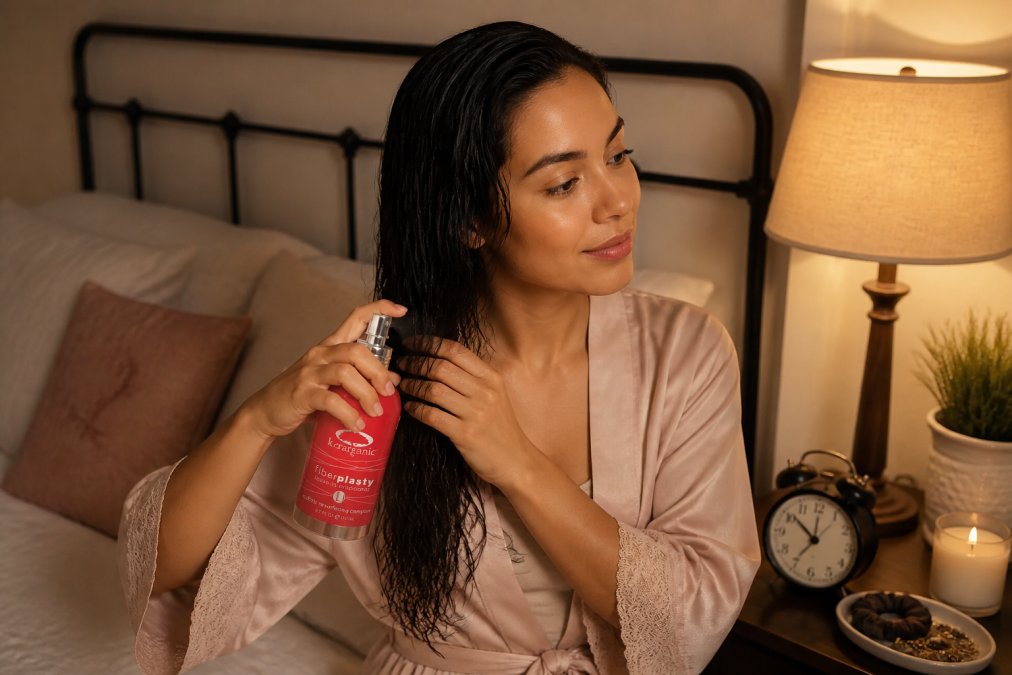
Overnight styling flips the timing equation. Instead of spending 30 minutes styling in the morning, you spend 5 minutes applying product to damp hair before bed, then wake up with the style already set. This works because hair is most receptive to shape changes when damp and is most likely to hold that shape as it dries completely overnight.
The most effective overnight methods use texture and tension. Braiding damp hair creates waves. Twisting sections creates curls or texture. Wrapping hair around a soft cloth or silk pillowcase creates loose waves with minimal effort. The key is applying a lightweight styling product, not heavy gel that hardens overnight, but something that provides hold without stiffness. Kerarganic's leave-in conditioners work particularly well here because they provide conditioning while setting the style, meaning you're not sacrificing hair health for styling efficiency.
Timing matters. Apply the product when hair is 70-80% dry, not soaking wet. Completely wet hair takes too long to dry overnight and may not set properly. Damp hair dries faster and holds the style more reliably. Most people see results within 2-3 nights of consistent overnight styling before they stop reaching for heat tools in the morning.
:::pro-tip Silk or satin pillowcases reduce friction overnight, which means your overnight style lasts longer into the next day. This extends the time between styling sessions even further. :::
Air-Dry Styling and Product Layering
Air-dry styling with proper product layering creates finished styles without heat. This approach works for multiple hair textures when you use the right product combination. The layering strategy is critical: each product serves a specific function, and the order matters.
Start with a leave-in conditioner applied to damp hair. This provides moisture and light hold. The American Academy of Dermatology emphasizes that maintaining scalp health and hair moisture is foundational for reducing styling damage. Follow with a lightweight styling cream or gel that provides structure without weight. Apply a finishing spray last to lock everything in place.

The efficiency gain comes from letting gravity and air movement do the work instead of blow-dryers and curling irons. Scrunch products into your hair in the direction you want texture to go, then let it air-dry. This takes 20-30 minutes depending on hair thickness, but it's passive time, you're not holding tools or concentrating. You can eat breakfast, check email, or get dressed while your hair dries.
Product layering optimization means using the minimum number of products that deliver the result. Too many products create buildup and require more frequent washing. Too few leave hair without enough structure. Most people find three products, leave-in conditioner, styling cream, and finishing spray, create the sweet spot between hold and simplicity.
How to Fix Brittle Hair at Home to Speed Up Styling
Brittle hair is the hidden time-killer in your styling routine. When hair lacks moisture and protein, it tangles more easily, breaks during brushing, and resists styling. Fixing brittle hair at home involves both immediate conditioning and longer-term repair protocols that rebuild the hair's internal structure.
The immediate fix is aggressive hydration. Apply a leave-in conditioner with ceramides and plant-based moisturizers to damp hair, focusing on mid-lengths and ends. Leave it in for at least 15 minutes, ideally overnight, before styling. This plumps the hair cuticle and temporarily restores elasticity. The result is smoother, more manageable hair that responds better to styling and requires less time to get right.

Longer-term brittle hair repair requires consistent protein and moisture balance. Kerarganic's FIBERPLASTY CUTICLE RESURFACING LEAVE-IN CONDITIONER uses a plant-based ceramide complex that actually resurfaces damaged cuticles rather than just coating them. When applied consistently, this helps rebuild the hair's structural integrity, which means less breakage, less frizz, and can contribute to faster styling times.
The connection to styling time is direct: strong hair holds styles longer, requires less product, and responds faster to styling tools. A person with repaired, healthy hair can achieve results more efficiently than someone with brittle hair. This is why fixing brittle hair is actually a fast route to reducing your daily hair styling time.
Low Maintenance Hairstyles for Busy Mornings
The most efficient approach to reducing your daily hair styling time is choosing a haircut and style that requires minimal daily work. This isn't about settling for a boring cut, it's about matching your hairstyle to your actual lifestyle and hair type.
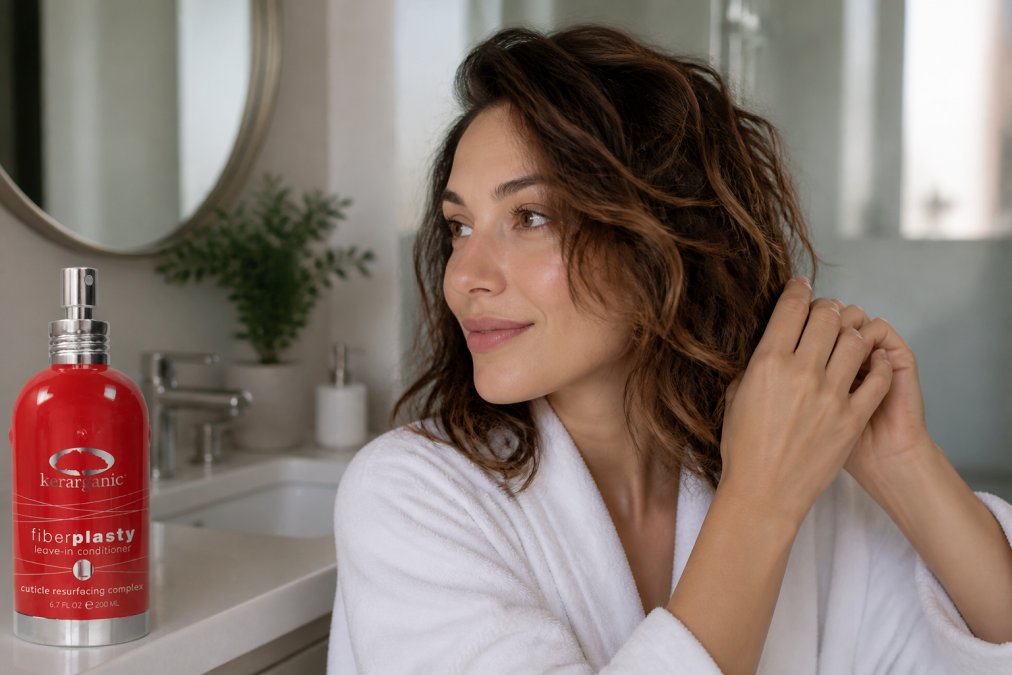
Low-maintenance hairstyles share common traits: they work with your natural hair texture rather than against it, they don't require perfect symmetry or precision daily, and they look intentional when slightly undone. A textured shag, for example, looks better slightly tousled than perfectly smooth. Layered cuts with movement hide imperfect styling. Bobs with texture can be air-dried without looking unfinished.
The haircut itself matters more than most people realize. A cut designed for your hair type and texture reduces daily styling demands significantly. If you have fine hair, a blunt cut requires more daily styling to look full. A textured, layered cut works with your hair's natural density. If you have curly hair, a cut designed for curls reduces frizz and styling time compared to a cut designed for straight hair.
Lifestyle compatibility is equally important. If you exercise regularly and shower afterward, a hairstyle that dries into a finished look saves time. If you work in a conservative environment, choose a cut that looks polished with minimal effort rather than one requiring daily styling precision. This isn't compromise, it's efficiency. You're choosing the hairstyle that naturally requires the least intervention for your specific situation.
Choosing a low-maintenance cut that matches your hair type and lifestyle can significantly reduce daily styling time.
Strategic Heat Tool Use and Thermal Protection
When you do use heat tools, the strategy shifts from "use heat efficiently" to "use heat only when necessary and protect your hair completely." This distinction is critical because even perfect heat tool technique damages hair without proper thermal protection.
Thermal protection starts before heat touches your hair. Apply a leave-in conditioner with heat protectants to damp hair before any blow-drying or straightening. These products create a barrier that reduces moisture loss and heat damage. The International Society of Hair Restoration Surgery notes that minimizing thermal damage is essential for maintaining hair integrity over time.
Low heat settings accomplish more than people expect. Most hair straightens or curls at 300-350 degrees. Higher temperatures don't work faster, they just cause more damage. Using lower heat with multiple passes takes the same total time but damages hair significantly less. Less damage means healthier hair, which means faster styling in subsequent days because your hair is cooperating rather than fighting you.
Strategic heat use means identifying which styling steps actually need heat and which don't. Your roots might need blow-drying for volume, but your ends can air-dry. Your waves might need a curling iron for definition, but your texture can be set overnight. This selective approach can significantly cut heat styling time while reducing cumulative damage.
Reduce Wash Frequency and Maintain Style Between Washes
Washing hair daily or every other day is the hidden time-multiplier in your routine. Each wash requires blow-drying, styling, and heat tool use. Reduce wash frequency to 2-3 times weekly, and you've immediately cut styling time simply because you're styling fewer days per week.
The barrier to less frequent washing is usually scalp oiliness or style degradation. Both are solvable. Dry shampoo absorbs scalp oil without washing, extending the time between shampoos by 1-2 days. Texture sprays refresh waves or curls between washes. Lightweight oils applied to ends prevent that greasy look while keeping ends healthy.
Hair actually adapts to less frequent washing within 1-2 weeks. Your scalp's oil production normalizes when you're not stripping it daily. This is why people who switch to twice-weekly washing often find their hair looks better after the adjustment period than it did when they washed daily.
Style maintenance between washes is where product layering and overnight techniques pay dividends. If your waves or curls are set properly, they last 2-3 days with minimal intervention. Refresh them at night using the overnight styling methods mentioned earlier. By day three, you might need a light restyle, but you're still ahead compared to daily full styling.
The math is simple: if you reduce washing from 5 days weekly to 3 days weekly, and you save 30 minutes per styling day, you've saved 60 minutes per week. Over a year, that's 52 hours. This is why reducing wash frequency and maintaining style between washes is one of the most effective strategies for reducing your daily hair styling time.
Tools and Equipment That Save Time
The right tools don't just make styling faster, they make it more effective, which means you achieve results in fewer attempts and with less product. This is where strategic investment pays off.
A quality blow-dryer with ionic technology dries hair faster than standard dryers while reducing frizz. The time savings add up quickly. A concentrator nozzle attachment focuses airflow, which speeds drying and improves styling precision. These aren't luxury purchases, they're efficiency tools.
Ceramic or tourmaline-coated straightening irons and curling irons heat more evenly and damage hair less than basic metal tools. Even heat distribution means you achieve results in fewer passes, which saves time and reduces heat exposure. The Journal of Cosmetic Dermatology documents that tool quality directly impacts hair damage levels during heat styling.
Brushes matter more than people think. A paddle brush detangles quickly without breakage. A round brush with proper tension creates volume without requiring multiple passes. A wide-tooth comb works through tangles in seconds without damage. Cheap brushes create friction, which slows detangling and damages hair.
Accessories like hair clips, bobby pins, and sectioning clips allow you to work in sections efficiently. This might seem trivial, but sectioning reduces the time spent on each section and improves consistency. You're not re-styling the same area multiple times because you can isolate and work on specific sections methodically.
Quality tools can be an investment in reclaiming time.
Reducing your daily hair styling time starts with hair health, not just faster techniques. When your hair is strong, moisturized, and properly maintained, styling becomes effortless. Kerarganic's leave-in conditioners, like the FIBERPLASTY CUTICLE RESURFACING LEAVE-IN CONDITIONER and XTREME REPAIR LEAVE-IN CONDITIONER PROTEIN COMPLEX, rebuild hair integrity while reducing frizz and adding shine, which means your styles hold longer and require less daily intervention. Start with one product that addresses your specific hair concern, use it consistently, and you may see your styling time drop. The foundation is always stronger hair. Everything else follows from there.

Frequently Asked Questions
How can keratin treatments help reduce morning styling time?
Keratin treatments rebuild the hair's structural integrity, reducing frizz and making hair smoother and more manageable. When your hair cuticles are properly resurfaced with keratin-infused products, they require less heat and fewer styling steps to achieve a polished look. Products like Kerarganic's [FIBERPLASTY CUTICLE RESURFACING LEAVE-IN CONDITIONER](https://kerarganic.com/products/fiberplasty-cuticle-resurfacing-leave-in-conditioner) work daily to maintain this smoothness, which can contribute to reducing your morning routine by eliminating the need for extensive straightening or frizz control.
What are the best low-maintenance hairstyles for busy mornings?
Textured styles like waves, braids, buns, and layered cuts work with your hair's natural texture rather than against it. Shoulder-length or longer hair with movement-friendly cuts allows you to skip daily straightening. Shorter, textured crops also minimize styling needs. The key is choosing a cut that suits your hair type and density, curly or wavy hair naturally needs less heat styling than flat, straight hair. Pairing these cuts with leave-in conditioners keeps your style intact without daily washing.
How often should I wash my hair to reduce daily styling time?
Reducing wash frequency to 2-3 times per week dramatically cuts styling time. When you wash less, your scalp's natural oils coat the hair shaft, reducing frizz and improving manageability. Between washes, dry shampoo absorbs excess oil and adds texture. Using sulfate-free, keratin-enriched products like Kerarganic's formulas helps maintain your style longer without stripping moisture. This approach also minimizes heat damage from frequent shampooing and blow-drying, so your hair stays healthier and requires less repair work over time.
Does using heat styling tools every day cause permanent damage?
Daily heat styling without proper protection damages the hair cuticle, causing split ends, breakage, and brittleness. However, thermal protection products and low-heat settings minimize this risk. Keratin-based leave-in conditioners like those from Kerarganic contain UV and heat protectors that shield hair fibers before styling. The real damage prevention comes from combining heat protection with reduced heat exposure, using heatless techniques 3-4 days per week, applying thermal protectants before every heat session, and maintaining hair health with keratin replenishment products helps keep your hair intact even with regular styling.
This article was written using GrandRanker