
Table of Contents
- Why Frizz Happens: The Cuticle and Moisture Connection
- The Best Frizz Control Ingredients for Every Hair Type
- How to Fix Brittle Hair at Home with Frizz-Fighting Ingredients
- Best Anti-Frizz Serums for Humidity: What to Look For
- Ingredients to Avoid for Frizzy Hair
- How to Choose Frizz Control Ingredients for Your Hair Porosity
- Frequently Asked Questions
Last Updated: September 24, 2026
Why Frizz Happens: The Cuticle and Moisture Connection
Frizz is not a styling failure. It is what happens when a damaged outer layer lets moisture in faster than the hair can hold it evenly. At Kerarganic Cosmetics, LLC, we explain it to clients as a two-part problem: a raised cuticle and an unbalanced moisture level.
The cuticle is the hair's outer shell, made of overlapping scales that should lie flat. When those scales lift, the cortex underneath is exposed, and humidity rushes in through the gaps. The hair swells unevenly, the surface turns rough, and light scatters instead of reflecting. That is the dull, fuzzy halo you see in the mirror.
The moisture connection is the part most people miss. Hair behaves like a sponge. In high humidity it absorbs water from the air; in dry indoor air it loses water to the room. Both directions cause trouble. Too much water swells the shaft and lifts the cuticle. Too little leaves the fiber dry, brittle, and prone to static.
Two conditions drive nearly every frizz complaint:
- High porosity hair, where the cuticle is already lifted from bleach, relaxers, or heat damage, so moisture enters and exits fast
- Low porosity hair, where tight cuticles resist water, so products sit on top and feel greasy
The practical takeaway: frizz control is not about coating hair in oil. It is about restoring the cuticle so it can regulate moisture on its own. That is the lens for everything below.

The Best Frizz Control Ingredients for Every Hair Type
The best frizz control ingredients fall into three working groups: humectants that attract water, oils and butters that slow water loss, and proteins that patch the cuticle itself. Most effective routines use at least two of the three. What separates a routine that works from one that fails is not the ingredient list alone, but how those ingredients interact with each other and with the humidity around you.
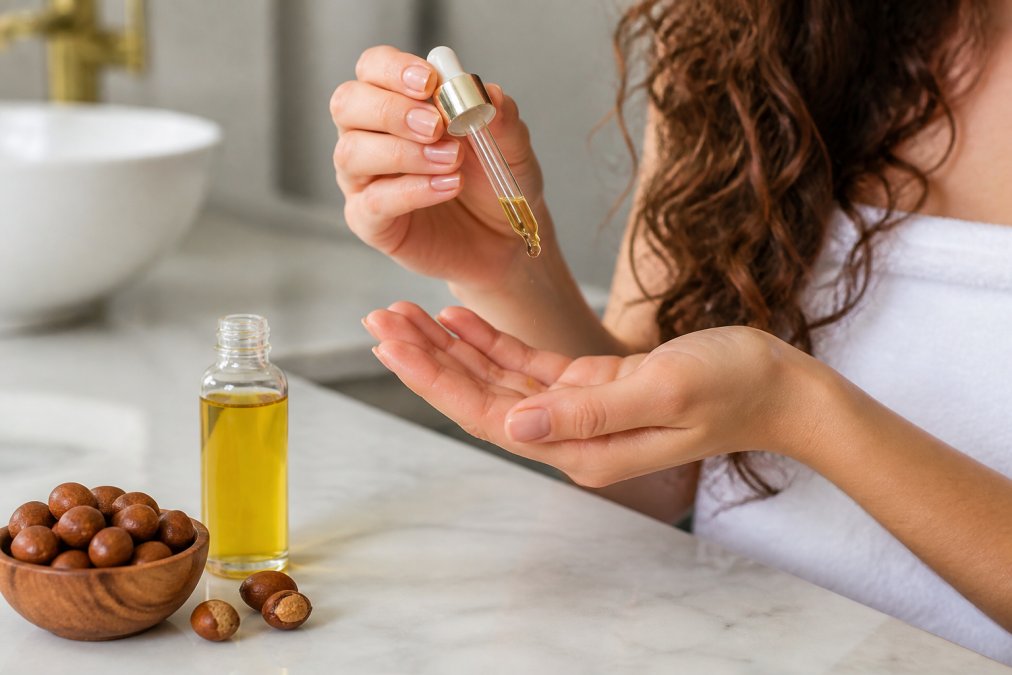
Humectants: Glycerin, Aloe Vera, and Hyaluronic Acid
Humectants pull water from the air into the hair. Glycerin, aloe vera, and hyaluronic acid are the three workhorses here, and they are the reason a leave-in treatment can feel instantly softer.
Hyaluronic acid holds several times its weight in water, which is why it appears in our FIBERPLASTY Cuticle Resurfacing Leave-In Conditioner alongside ceramides and hydrolyzed keratin.

Oils and Butters: Argan, Shea, and Coconut
Oils and butters are emollients and occlusives. Emollients smooth the surface of the cuticle; occlusives form a light film that slows moisture loss. Argan oil, shea butter, and coconut oil cover both roles, but they do not behave the same way, and the difference matters.
Proteins and Amino Acids: Keratin, Collagen, and Silk
Hydrolyzed proteins are the repair layer. Keratin, collagen, and silk amino acids are small enough to slip into gaps in the cuticle and temporarily patch them, which is what gives hair back its smooth feel.
| Ingredient Group | Examples | What It Does | Best For | Watch Out For |
|---|---|---|---|---|
| Humectants | Glycerin, aloe vera, hyaluronic acid | Draws water into the hair | Dry, dull hair in moderate humidity | Can worsen frizz above ~65% humidity or in very dry air |
| Oils & butters | Argan, shea, coconut | Smooths cuticle, slows water loss | Medium to coarse, high-porosity hair | Coconut oil can weigh down fine hair |
| Proteins | Keratin, collagen, silk | Patches gaps in the cuticle | Damaged, over-processed, brittle hair | Overuse causes stiffness and snapping |
How to Fix Brittle Hair at Home with Frizz-Fighting Ingredients
Learning how to fix brittle hair at home starts with one principle: rebuild before you seal. Brittle hair has a broken cuticle, so adding oil to it just coats the damage.
FIBERPLASTY BIOLAMINATING ANTI-FRIZZ →
Follow this order:
- Cleanse with a sulfate-free, salt-free shampoo. Harsh surfactants strip the lipid barrier that keeps hair supple. Our Restorative Xtreme Hair Repair Products Frizz Control Collection Bundle is built around this step, with hydrolyzed keratin, argan oil, and aloe vera extract.
- Apply a protein or bond treatment to damp hair. Our KERAR-PLEX Step 2 Gel Bond & Hair Fiber Reconstructor goes on clean, damp hair strand by strand, then sits under a shower cap for 5 to 10 minutes before rinsing.
- Follow with a leave-in conditioner while hair is still damp. This is where humectants and ceramides do their work.
- Seal with a few drops of oil, concentrating on mid-lengths and ends rather than the roots.
- Air-dry or use the lowest heat setting with a heat protectant already in place.
Best Anti-Frizz Serums for Humidity: What to Look For
The best anti-frizz serums for humidity share three traits: a silicone-free smoothing agent, an occlusive oil, and a UV or heat protector. Silicones give instant slip, but they build up and block the humectants underneath from working.

Two application notes matter more than the formula:
- Use less than you think. Three to five drops for shoulder-length hair. Start small and add.
- Focus on the ends. The scalp produces its own oil; the ends do not.
Ingredients to Avoid for Frizzy Hair
Knowing the ingredients to avoid for frizzy hair is as useful as knowing what to add. Three categories do the most damage.
How to Choose Frizz Control Ingredients for Your Hair Porosity
Matching ingredients to hair porosity is the step that separates a routine that works from one that just costs money. Porosity describes how easily your hair absorbs and holds moisture, and it decides which ingredients can actually reach the cortex. Most frizz guides skip this entirely and recommend the same argan oil and leave-in to everyone. That is why so many people buy the "right" product and still fight frizz every morning.
Frequently Asked Questions
What are the best ingredients to look for in anti-frizz hair products?
Look for a mix of humectants, emollients, and proteins. Glycerin and aloe vera draw moisture into the hair, while argan oil and shea butter seal the cuticle to lock hydration in. Hydrolyzed keratin and amino acids repair damage that causes frizz. Silicone-free formulas with plant-based ceramides, like those in the Fiberplasty Biolaminating Anti-Frizz Serum, smooth the cuticle without buildup. Check labels for sulfate-free and salt-free claims to avoid stripping natural oils.
How do humectants and emollients differ in controlling frizz?
Humectants like glycerin and hyaluronic acid attract water from the air into the hair, keeping it hydrated and flexible. Emollients like argan oil, shea butter, and fatty acids coat the hair surface, sealing the cuticle and preventing moisture from escaping. Both are needed: humectants hydrate from within, emollients lock that moisture in. In high humidity, rely more on emollients and occlusives to block excess moisture from entering the hair shaft and causing swelling and frizz.
How does keratin help in reducing hair frizz?
Keratin is the protein hair is made of. When hair is damaged by heat, chemicals, or coloring, the keratin layer breaks down, leaving gaps in the cuticle that let moisture in and out unevenly, causing frizz. Hydrolyzed keratin fills those gaps and reinforces the hair structure. Products like the Restorative Xtreme Hair Repair Bundle use hydrolyzed keratin, along with argan oil and aloe vera, to repair damage and smooth the cuticle for lasting frizz control.
Can the wrong hair products actually make frizz worse?
Yes. Sulfates strip natural oils, leaving hair dry and prone to frizz. Drying alcohols like isopropyl alcohol evaporate quickly and pull moisture from the hair. Silicones can temporarily smooth hair but cause buildup that weighs hair down and blocks beneficial ingredients. Heavy waxes or mineral oil can also prevent moisture from entering, leading to brittleness. Choose sulfate-free, silicone-free formulas with hydrating ingredients to avoid making frizz worse.
What natural oils are most effective for smoothing frizzy hair?
Argan oil is rich in fatty acids and vitamin E, making it excellent for smoothing and adding shine. Coconut oil penetrates the hair shaft to reduce protein loss. Shea butter provides deep moisture and helps seal the cuticle. Jojoba oil mimics natural scalp oils and is lightweight. Macadamia and olive oils are also effective emollients. For a blend of seven oils including argan, pracaxi, and sacha inchi, try the Fiberplasty 7-Oil Finishing Spray.
How do I fix brittle hair at home while also controlling frizz?
Start with a sulfate-free shampoo and a deep conditioning mask once a week. Use a leave-in conditioner with hydrolyzed keratin and ceramides to rebuild strength. Apply a heat protectant serum before styling, and avoid high heat. Seal ends with a few drops of argan oil. The Restorative Xtreme Hair Repair Bundle includes shampoo, mask, conditioner, and serum designed to repair brittleness and reduce frizz together.