
Table of Contents
- Keratin Treatment vs Deep Conditioning: What's the Real Difference?
- Side-by-Side Comparison: Cost, Results, and Maintenance
- Keratin Treatment for Curly Hair: What to Expect
- Deep Conditioning Treatment for Damaged Hair: How It Works
- How Long Does a Keratin Treatment Last?
- Keratin Treatment Aftercare: Protecting Your Results
- Which Treatment Fits Your Hair Goals?
- Frequently Asked Questions
Last Updated: October 6, 2026
Keratin Treatment vs Deep Conditioning: What's the Real Difference?
The keratin treatment vs deep conditioning question comes down to one distinction: deep conditioning adds moisture and protein to the surface of your hair, while a keratin treatment alters the protein structure inside the hair shaft to smooth and straighten it. One is a temporary boost you repeat weekly. The other is a chemical smoothing process that lasts for months. At Kerarganic Cosmetics, LLC, we build formaldehyde-free keratin systems and conditioning masks for both needs, so we see where clients get the two confused, and what that confusion costs them. This guide breaks down cost, results, maintenance, and which one actually fits your hair goals.
Keratin treatment is a salon or at-home chemical smoothing process that uses keratin protein and a bonding agent to reduce frizz and loosen curl pattern for several months. Deep conditioning is a moisturizing treatment that replenishes hydration and protein lost to heat styling, coloring, and daily wear, and it washes out within days.
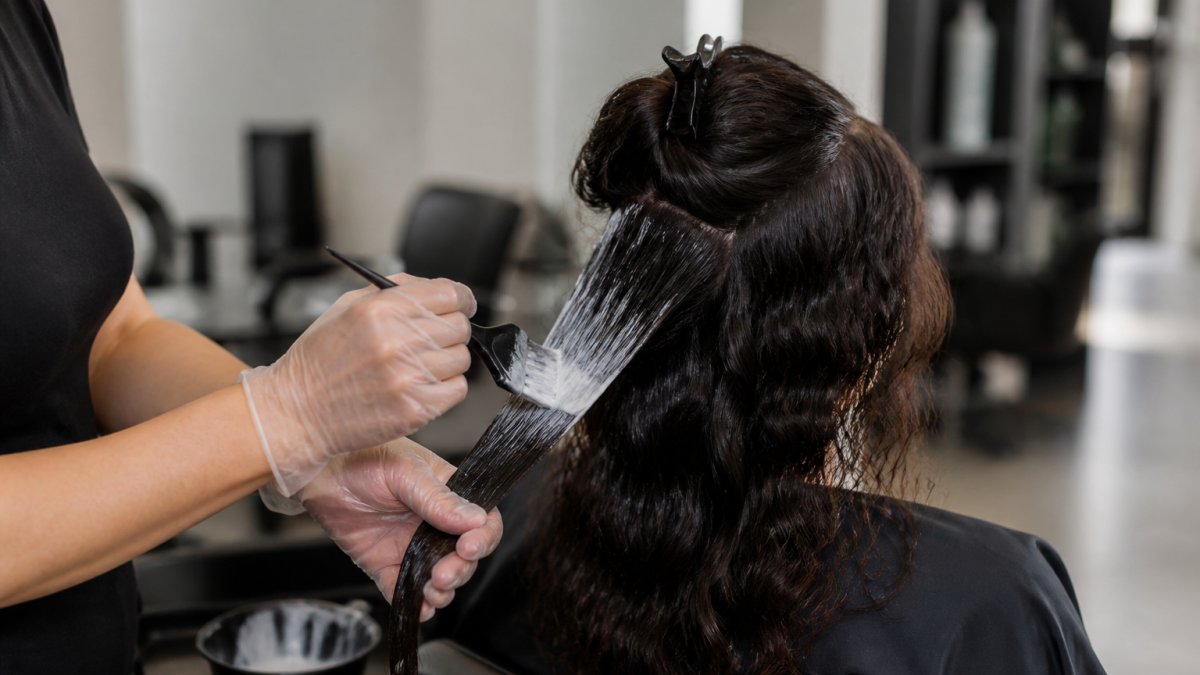
Temporary Conditioning vs Chemical Smoothing
Deep conditioning is temporary. A mask like our KERATIN INTENSIVE TREATMENT MASK coats and penetrates the hair shaft with hydrolyzed keratin, soy protein, and argan oil, then rinses away. You reapply it weekly.

Chemical smoothing changes the hair's protein bonds. Our ORGANIC KERATIN SYSTEM - STEP 2 - FORMALDEHYDE FREE uses glyoxyloyl carbocysteine and glyoxyloyl keratin amino acids to alter the hair's protein structure, which is what flattens frizz and relaxes curl for weeks or months rather than days.

Side-by-Side Comparison: Cost, Results, and Maintenance
Most articles answer this keyword by describing keratin treatments in detail and tacking on a paragraph about conditioner. That leaves the actual comparison unanswered. Here is the direct, side-by-side breakdown on the factors that decide most purchases, including the cost and safety questions the top results skip.
| Factor | Keratin Treatment | Deep Conditioning |
|---|---|---|
| What it changes | Alters protein bonds inside the hair shaft to smooth and relax curl | Coats and penetrates the surface with moisture and protein |
| Primary effect | Texture change (looser curl, less frizz) | Feel and manageability (softness, slip, shine) |
| Results last | Roughly 2-4 months | Until the next wash, typically 3-7 days |
| Frequency | Every 2-4 months | Weekly, or as needed |
| Salon cost | Varies by salon and service | Commonly $25-$75 as an add-on service |
| At-home option | Yes, formaldehyde-free systems exist, but application is technique-sensitive | Yes, masks and conditioning creams are designed for home use |
| Key ingredients | Keratin protein plus a bonding agent (glyoxyloyl carbocysteine, glyoxyloyl keratin amino acids in formaldehyde-free systems) | Hydrolyzed proteins, humectants, oils, ceramides, panthenol |
| Safety considerations | Some salon systems still release formaldehyde; ask what is in the bottle and whether ventilation is adequate | Low risk for most; protein-heavy masks can stiffen hair if overused |
| Maintenance | Sulfate-free shampoo required; heat styling shortens results | None beyond regular use |
| Best for | Frizz, curl relaxation, humidity resistance | Dryness, damage, breakage, color-treated hair |
The cost question nobody answers directly
A smoothing treatment is a recurring salon expense, not a one-time purchase. At two to four appointments a year, the annual cost can run into the high hundreds or more once tip and aftercare products are included. If budget is the deciding factor, conditioning wins on cost per application; smoothing wins on cost per month of frizz control.
The safety question nobody answers directly
Formaldehyde and formaldehyde-releasing ingredients are the main safety concern with smoothing treatments, and they are the reason ventilation and product disclosure matter. Formaldehyde is a known respiratory irritant and is classified as a human carcinogen by the National Toxicology Program. Formaldehyde-free systems avoid that specific concern, but "formaldehyde-free" is not the same as "no reactive chemistry", the bonding agents still alter protein structure, which is why over-processed hair is a real risk. Questions worth asking a stylist before booking:
- What smoothing system are you using, and does it contain formaldehyde or a formaldehyde-releasing ingredient?
- Is the application area ventilated, and do you use a fan or open window?
- Is a patch test or strand test available?
- How will you assess whether my hair is strong enough for the service?
Deep conditioning carries far less risk, but it is not risk-free: protein-heavy masks used too often can leave hair stiff and brittle, especially on low-porosity hair. Alternating protein and moisture masks is the usual fix.
A common mistake is buying a smoothing kit expecting mask-level hydration, or buying a mask expecting salon-smooth results. They solve different problems.
Keratin Treatment for Curly Hair: What to Expect
A keratin treatment for curly hair does not flatten curls into straight hair. It loosens the pattern, cuts frizz, and makes curls more defined and easier to manage. Most people keep a wave or loose curl rather than losing texture entirely.
What most guides miss is that curl type determines the outcome. Fine, loose curls often relax noticeably. Tight coils typically keep their shape but gain shine and lose frizz. If you want to keep your curl pattern intact, ask for a lighter application and skip the highest flat-iron settings.
Deep Conditioning Treatment for Damaged Hair: How It Works
A deep conditioning treatment for damaged hair works by refilling the moisture and protein that heat styling and chemical services strip out. Hydrolyzed proteins fill gaps in the hair structure, while oils and humectants restore softness and shine. Consistent application of these restorative agents serves as the foundation for repairing heat-damaged hair and reclaiming the structural integrity of your strands.
Our FIBERPLASTY REJUVENATING MASK pairs hydrolyzed keratin with hyaluronic acid and plant-based ceramides to seal the cuticle and lock moisture in. For weekly upkeep, the KAKAWA DEEP HYDRATING CARE CONDITIONING CREAM adds cocoa butter, biotin, and panthenol for softness without weighing hair down.
Neither product repairs split ends. No conditioner does. What they do is prevent the next round of damage.
ORGANIC KERATIN SYSTEM - STEP 2 - FORMALDEHYDE FREE →
How Long Does a Keratin Treatment Last?
A keratin treatment typically lasts two to four months, depending on your hair type, how often you wash, and which products you use afterward. Sulfate shampoos strip the treatment faster. Heat styling shortens it too.
Deep conditioning, by contrast, lasts until your next wash. That is not a flaw; it is the nature of a topical treatment. The trade-off is effort: you reapply weekly instead of rebooking every few months.
Keratin Treatment Aftercare: Protecting Your Results
Keratin treatment aftercare determines whether your results last two months or four. The rules are simple and non-negotiable.
- Switch to sulfate-free shampoo and conditioner immediately
- Wait 72 hours before the first wash
- Avoid chlorine and saltwater for the first two weeks
- Use a weekly protein mask to maintain strength
- Lower your flat-iron temperature once the treatment settles
The KAKAWA INTENSIVE CARE MASK fits this routine well: cocoa butter and hydrolyzed soy protein maintain softness and strength between appointments without stripping the smoothing result.

Which Treatment Fits Your Hair Goals?
This is the section most competing articles skip. Instead of a generic "it depends," here is a decision guide mapped to the concerns people actually search for, plus the caveats that keep you from wasting money on the wrong service.
Match the treatment to the problem
| Your main concern | Better first choice | Why |
|---|---|---|
| Dry, rough, straw-like feel | Deep conditioning | Adds moisture and slip; smoothing won't fix dryness and can worsen it |
| Breakage and snapping | Deep conditioning, then reassess | Protein and moisture masks support strength; smoothing on weak hair risks more breakage |
| Frizz and humidity puffiness | Keratin treatment | Alters protein bonds so hair resists humidity for months |
| Curls you want looser but not gone | Keratin treatment, lighter application | Relaxes pattern without fully straightening |
| Curls you want to keep intact | Deep conditioning | Conditioning improves definition without changing texture |
| Color-treated hair | Deep conditioning first | Color-treated hair is often more porous and fragile; condition and strengthen before considering smoothing |
| Fine, limp hair | Deep conditioning, lightweight formulas | Heavy masks and smoothing can flatten fine hair |
| Coarse, thick, frizzy hair | Keratin treatment | Smoothing delivers the biggest manageability gain on this hair type |
What each treatment can and cannot do
Neither treatment repairs hair in the structural sense. Hair is not living tissue; once a bond is broken or a cuticle is lifted, it does not regenerate. What conditioning does is cosmetic and temporary: it fills gaps, smooths the cuticle, and improves feel until the next wash. What smoothing does is also cosmetic but longer-lasting: it re-forms bonds so the hair holds a smoother shape for weeks or months. Neither rebuilds split ends. Neither makes damaged hair permanently healthy. Anyone promising permanent repair is overstating the science.
Sequencing when you need both
Many people genuinely need both, repair and frizz control. The usual order is repair first, smooth second. Run weekly conditioning masks until the hair feels stronger and less elastic, then book a smoothing treatment once the hair has recovered. After smoothing, keep a weekly protein-and-moisture mask in the rotation to maintain strength between appointments. Trying to smooth hair that is still over-processed from bleach or repeated color is the most common way people end up with more breakage instead of less.
A simple way to decide
If your goal is softer, shinier, more manageable hair without changing your texture, start with deep conditioning and give it four to six weeks of consistent weekly use. If your goal is months of frizz control, looser curl, and humidity resistance, and your hair is strong enough to handle a chemical service, a formaldehyde-free keratin treatment is the better fit. If you are unsure, condition first, it is cheaper, lower-risk, and it will tell you whether your hair needs moisture, protein, or smoothing.
Frequently Asked Questions
What is the difference between a keratin treatment and deep conditioning?
A keratin treatment uses ingredients like glyoxyloyl carbocysteine to alter the hair's protein structure, smoothing frizz for 12 to 16 weeks. Deep conditioning is a temporary moisture treatment that hydrates the hair shaft and lasts until your next wash. Keratin treatments change how hair behaves; deep conditioning improves how hair feels. The right choice depends on whether you need lasting smoothing or ongoing hydration.
Is a keratin treatment better than deep conditioning for damaged hair?
Neither fully repairs damage, but they work differently. A deep conditioning treatment for damaged hair replenishes moisture and temporarily strengthens weakened strands. Keratin treatments infuse keratin protein back into the hair shaft, improving elasticity and reducing breakage for weeks. For severe damage, deep conditioning is gentler. For frizz and manageability, keratin treatments deliver longer-lasting results.
How long do keratin treatment results last compared with deep conditioning?
Keratin treatment results typically last 12 to 16 weeks depending on hair type, wash frequency, and aftercare. Deep conditioning benefits last until your next shampoo, which is why weekly application is recommended. If you want months of smoother hair with less styling time, keratin is the longer-term option. For flexible, ongoing hydration, deep conditioning fits better.
Can I use deep conditioning products after a keratin treatment?
Yes, and you should. Keratin treatment aftercare includes using sulfate-free, sodium-chloride-free products to extend results. A weekly deep conditioning mask like the Keratin Intensive Treatment Mask ($21.30) replenishes moisture without stripping the treatment. Apply to wet hair, leave for at least 15 minutes, and rinse. This maintains softness and shine between salon visits or at-home applications.
Does a keratin treatment make curly hair straight?
A keratin treatment for curly hair reduces frizz and loosens the curl pattern, but it does not make hair permanently straight. Results range from relaxed waves to significantly smoothed curls depending on the formula and flat-iron temperature. The Kerarganic Organic Keratin System smooths and reduces frizz while preserving some natural texture. Curls return gradually over 12 to 16 weeks.