
Table of Contents
- Serum vs Cream for Wavy Hair: Quick Comparison
- How Serums and Creams Work Differently on Wavy Hair
- When to Use a Serum vs a Cream for Frizz Control
- How to Apply Curl Cream on Wavy Hair for Maximum Definition
- Layering Serums and Creams: The Complete Routine
- How to Fix Brittle Hair at Home with Serums and Creams
- Ingredients to Look for in Frizz Control Products
- Frequently Asked Questions
Last Updated: September 18, 2026
Serum vs Cream for Wavy Hair: Quick Comparison
When comparing serum vs cream wavy hair frizz control, the fundamental difference is this: serums seal the surface, while creams penetrate and hydrate from within. When analyzing how these products work on wavy textures, most people benefit from using both strategically rather than choosing one or the other.
The confusion is understandable. Both products claim to tame frizz. Both contain oils. But they function through entirely different mechanisms, which means they solve different problems. A serum won't give your waves the moisture they're desperately craving. A cream alone won't flatten the cuticles that catch light and create that fuzzy, undefined look.
Here's the reality: wavy hair sits in an awkward middle ground. It's textured enough to need definition and hold, but fine enough that heavy products weigh it down. This is why the serum versus cream decision matters so much for this hair type.
| Product Type | Primary Function | Best For | Potential Drawback |
|---|---|---|---|
| Serum | Surface sealing, shine, frizz control | Defining waves, adding shine, heat protection | Can feel slick if overapplied |
| Cream | Moisture retention, hydration, softness | Deep nourishment, combating dryness, elasticity | May weigh down fine waves if used alone |
| Combination (Serum + Cream) | Sealed hydration, definition with moisture | Most wavy hair types | Requires proper layering technique |
Below, we'll break down exactly how each works, when to use them, and the layering strategy that transforms frizzy waves into defined, bouncy curls.
How Serums and Creams Work Differently on Wavy Hair
The chemistry behind these products explains why they produce such different results. Understanding this prevents the common mistake of applying them in the wrong order or choosing the wrong product for your specific problem.
Serums: Surface Sealing and Definition
A serum is a lightweight, fast-absorbing formula designed to coat the hair shaft. Serums contain emollients and silicones (or silicone alternatives) that smooth down the cuticle layer. When cuticles lay flat and aligned, light reflects evenly across the hair fiber, creating shine and the appearance of smoother, more defined waves.
The American Academy of Dermatology notes that hair texture is determined by cuticle alignment and the presence of moisture. Serums directly address the alignment piece. They don't add moisture, they seal it in and create a protective barrier against humidity.
Kerarganic's FIBERPLASTY BIOLAMINATING ANTI-FRIZZ SERUM works through this principle. Packed with plant-based ceramides and natural oils like safflower, sunflower, and macadamia seed oil, it laminate the hair fiber surface. This engineered formula reduces flyaways and prevents humidity from penetrating the cuticle and causing frizz.

The key advantage: serums work fast. Apply to damp or dry hair and you see definition within minutes. They also provide heat protection, making them essential before blow-drying or flat-ironing.
The limitation: serums don't repair internal damage or restore moisture to the cortex. If your waves are brittle or lack elasticity, a serum alone won't fix that.
Creams: Moisture Retention and Weight
Creams are thicker, heavier formulations designed to penetrate the hair cortex and deliver moisture. They contain humectants (ingredients that draw water into the hair) and emollients that coat the shaft.
Where serums seal, creams nourish. They address dryness at the structural level. A cream with glycerin, shea butter, or argan oil hydrates the innermost layers of the hair fiber, improving elasticity and reducing breakage.
The advantage: creams deliver lasting hydration. Hair feels softer, more elastic, and less prone to snapping. For wavy hair that's been heat-styled or chemically treated, creams prevent the brittleness that leads to frizz.
The limitation: creams are heavy. Apply too much to fine wavy hair and you'll flatten your wave pattern. The product sits on the hair rather than enhancing the natural texture.
When to Use a Serum vs a Cream for Frizz Control
The answer depends on your specific frizz problem. Most people have two distinct issues: lack of definition and lack of moisture. Each requires a different solution.
Use a serum when: Your waves are defined but fuzzy. You see flyaways and a halo effect around your head, especially in humid weather. Your hair looks dull and lacks shine. You're styling with heat tools. You need fast results, serums dry down quickly and don't require wait time.
Use a cream when: Your waves feel dry and brittle. You notice split ends or breakage. Your curls lack bounce and elasticity. You've been through color treatments or heat damage. You want long-lasting hydration that survives multiple days between washes.
Use both (the layering approach) when: This is the most common scenario for wavy hair. You need both definition and moisture. Your waves are textured but fine. You want salon-quality results that last.
FIBERPLASTY BIOLAMINATING ANTI-FRIZZ →
The rule for layering: serum first (on damp hair), then cream. The serum seals the cuticle, and the cream locks in moisture underneath. This combination gives you defined waves with visible shine and elasticity.
How to Apply Curl Cream on Wavy Hair for Maximum Definition
The application technique matters as much as the product itself. Most people apply cream incorrectly, which is why they end up with limp, weighed-down waves.
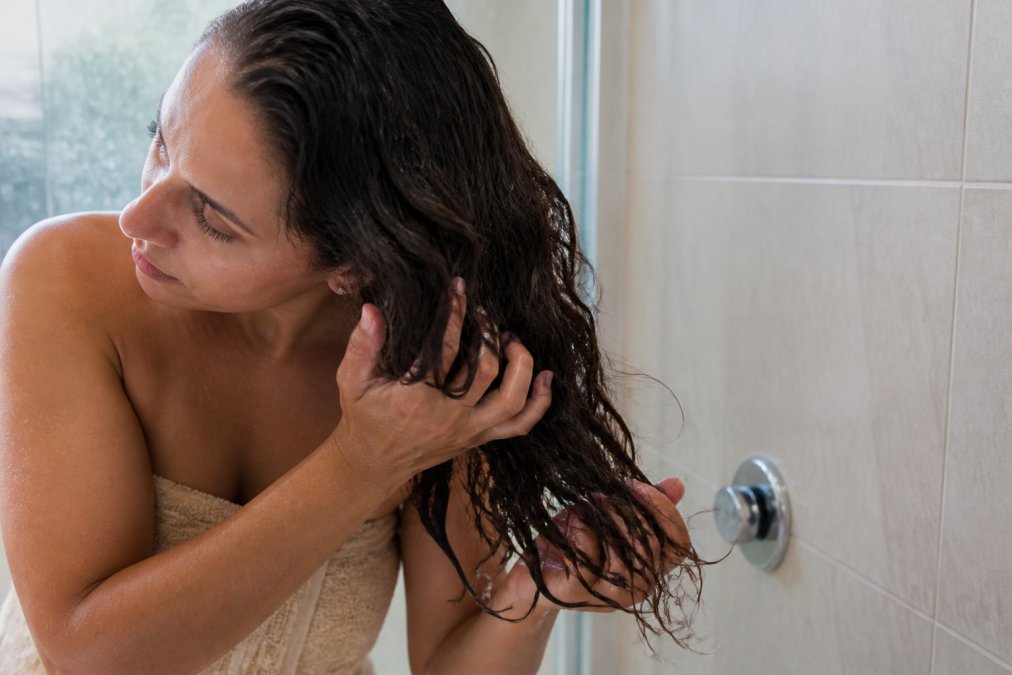
Start with soaking-wet hair. Squeeze out excess water but don't wring it out. Your hair should drip slightly, this moisture is essential for product distribution and wave formation.
Apply cream to your palms and rub them together to warm it. This breaks down the product and makes it easier to spread evenly. Begin at the mid-lengths of your hair (about 2 inches from your scalp) and work downward to the ends. Avoid the roots, cream at the scalp will make your waves collapse and look greasy.
Now comes the crucial step: scrunching. Cup your hands underneath a section of hair and scrunch upward, pushing the cream into the hair and encouraging the natural wave pattern to form. Work section by section, moving around your head. Scrunch for 30-45 seconds per section. Once your waves are set, protecting that definition overnight relies on choosing the right hair care accessories to minimize friction and prevent frizz from undoing your hard work.
The scrunching motion serves two purposes. It distributes the cream evenly and it trains your waves to clump together rather than separate into individual strands. This creates the defined, bouncy look you're after.
Let your hair air-dry or use a diffuser attachment on your blow dryer. A diffuser distributes heat evenly and maintains wave definition. If you blow-dry, cup your waves in the diffuser and hold for 3-5 seconds per section, moving slowly around your head.
Layering Serums and Creams: The Complete Routine
The most effective approach for addressing serum vs cream wavy hair needs combines both products in a specific order. This layering protocol maximizes definition while preventing the weighed-down effect that single-product routines often produce.
Step 1: Serum on soaking-wet hair. Apply 4-6 drops of serum to your palms, rub together, and smooth through your entire head from roots to ends. Focus on the mid-lengths and ends where frizz is most visible. The serum distributes best when your hair is dripping wet.
Step 2: Squeeze out excess water. Use a microfiber towel or cotton t-shirt to gently squeeze water from your hair.
How to Fix Brittle Hair at Home with Serums and Creams
Brittle hair, hair that snaps easily, lacks elasticity, and feels straw-like, requires a different approach than simple frizz control. Brittleness indicates internal damage and severe moisture loss. Serums and creams can repair this, but you need to choose formulations specifically designed for restoration.
Ingredients to Look for in Frizz Control Products
Not all serums and creams are created equal. The ingredient list determines whether a product will actually solve your frizz problem or just coat your hair with silicone.
For serums, prioritize these ingredients:
For creams, prioritize these ingredients:
Frequently Asked Questions
What is the best treatment for wavy frizzy hair?
The best approach combines both serums and creams tailored to your wave pattern and porosity. Serums seal the cuticle and add shine, while creams provide moisture retention. Start with a serum like FIBERPLASTY BIOLAMINATING ANTI-FRIZZ SERUM ($19.70) to laminate the hair surface and tame flyaways, then layer a cream for hold and definition. In humid climates, prioritize serums; in dry environments, creams become more essential.
Can you use both hair serum and cream together?
Yes, layering serums and creams is highly effective for wavy hair. Apply the serum first to damp hair to seal the cuticle, then add cream to lock in moisture and provide styling hold. This combination prevents product buildup while addressing both frizz control and hydration. The serum acts as a barrier that prevents the cream from weighing down fine waves.
Which is better for my hair, hair cream or hair serum?
Neither is universally better, they serve different purposes. Serums excel at frizz control, heat protection, and adding shine without weight. Creams provide moisture retention, definition, and hold for styling. For wavy hair, serums work best on the surface to smooth the cuticle, while creams work inside the hair structure. Your choice depends on your hair's porosity, wave pattern, and whether you prioritize definition or frizz control.
How do I know if my wavy hair needs a serum or cream?
Check your hair's porosity and texture. If your waves lack shine and have visible flyaways, start with a serum, it seals the cuticle and reflects light. If your hair feels dry, lacks elasticity, or your waves don't hold their pattern, a cream addresses moisture retention better. Fine wavy hair typically benefits more from lightweight serums, while coarse or textured waves often need creams for hydration and clumping.