
Table of Contents
- Understanding Professional Hair Treatment Aftercare
- How Long Do Salon Hair Treatments Last and What Affects Duration
- Establishing Your At-Home Hair Care Routine After Treatment
- Choosing the Best Shampoo for Treated Hair
- How to Maintain Keratin-Treated Hair Between Salon Visits
- Common Mistakes That Damage Treated Hair
- Frequently Asked Questions
Last Updated: October 20, 2026
Understanding Professional Hair Treatment Aftercare
Professional hair treatments transform your hair, but they require intentional maintenance to deliver lasting results. At Kerarganic Cosmetics, LLC, we know the real work begins after you leave the salon chair. Professional hair treatment aftercare keeps your investment protected between visits.
The first 48 to 72 hours are critical: your cuticle is still settling and treatment compounds are still bonding. What you do in this window directly impacts how long results last.
How Long Do Salon Hair Treatments Last and What Affects Duration
Most professional hair treatments last with proper care. Duration depends on hair type, water quality, lifestyle, and how strictly you follow maintenance routines.
Frequent washing strips treatment compounds fastest. Hard water minerals interfere with adhesion, unprotected heat styling accelerates fading, and sun exposure breaks down treatment molecules, especially on color-treated hair.
Coarse or highly porous hair absorbs treatment compounds quickly but releases them faster, so it needs more frequent treatments; fine hair often holds treatments longer.
| Factor | Impact on Duration | Solution |
|---|---|---|
| Wash frequency | Shortens by 3-7 days per extra wash | Reduce washing to 2x weekly |
| Hard water | Reduces effectiveness by 20-30% | Use filtered shower head |
| Heat styling | Shortens by 5-10 days | Apply heat protectant before styling |
| Sun exposure | Fades treatment faster | Wear UV-protective products |
| Hair porosity | High porosity = shorter duration | Deep condition weekly |
Establishing Your At-Home Hair Care Routine After Treatment
Your at-home routine is where you maintain professional hair treatments and where longevity is won or lost, but one generic routine won't serve every service. A keratin smoothing treatment, a bond-building service, a gloss, and a deep-conditioning treatment each leave hair in a different state and fail differently.
Universal rules apply to every service: reduce wash frequency for the first two weeks, use lukewarm rather than hot water, and choose a surfactant system that won't strip the service.
Match Your Routine to Your Treatment Type
Keratin and smoothing treatments. These deposit a protein layer sealed with heat; the enemies are salt, sulfates, and high heat.
Bond-building treatments. These repair disulfide bonds in the cortex and are cumulative.
Gloss and demi-permanent color services. These are the most fragile to washing and UV.
Deep-conditioning and moisture treatments. These are easy to maintain but easy to overdo.
Chemical relaxers and texturizers. These are the highest-maintenance services because hair is already chemically altered.
Wash Frequency and Water Temperature Guidelines
Wash treated hair no more than twice weekly for the first three weeks, then up to three times weekly if needed, never four or more. Every additional wash reduces treatment lifespan by one to two days.
Lukewarm water (around 85-90°F) is ideal, and cool water is even better. Both keep the cuticle closed, trapping treatment compounds inside; hot water opens the cuticle and lets moisture and treatment escape.
End every wash with a 30-second cool water rinse to seal the cuticle and lock in moisture.
Product Application Order for Maximum Benefits
Apply products in this sequence: shampoo, conditioner, leave-in treatment, styling products.
Shampoo first with a sulfate-free formula, massaging gently into the scalp and roots where oil builds up, then rinse with lukewarm water.
Apply conditioner to mid-lengths and ends, leave three to five minutes, and rinse with cool water.
Add a leave-in treatment or serum while hair is damp, from mid-length to ends, avoiding the scalp.
Finish with styling products last so they don't get diluted.
Read the Ingredient List, Not the Label
"Sulfate-free" and "color-safe" are marketing claims, not regulated guarantees. Read the first five ingredients, where the bulk of the formula lives.
- Avoid: sodium lauryl sulfate and sodium laureth sulfate (harsh surfactants), sodium chloride in high concentration (can disrupt smoothing services), and heavy non-water-soluble silicones near the root if your hair is fine or prone to buildup.
- Seek: mild surfactants such as cocamidopropyl betaine or sodium cocoyl isethionate, hydrolyzed keratin or silk amino acids for protein support, argan or jojoba oil for moisture, panthenol for elasticity, and UV filters such as benzophenone-4 for color and gloss protection.
- Use with caution: high-protein products stacked on top of a bond-building service, and clarifying shampoos, which should be limited to once every few weeks and never in the first two weeks after a service.
Troubleshooting Your Routine
If your treatment fades faster than expected, check in order: wash frequency, water temperature, sulfate exposure, heat without protectant, and sun or chlorine exposure.
If hair feels dry and stiff at once, you likely have a protein-moisture imbalance. Stiff and brittle means too much protein; mushy and limp means too much moisture.
Choosing the Best Shampoo for Treated Hair
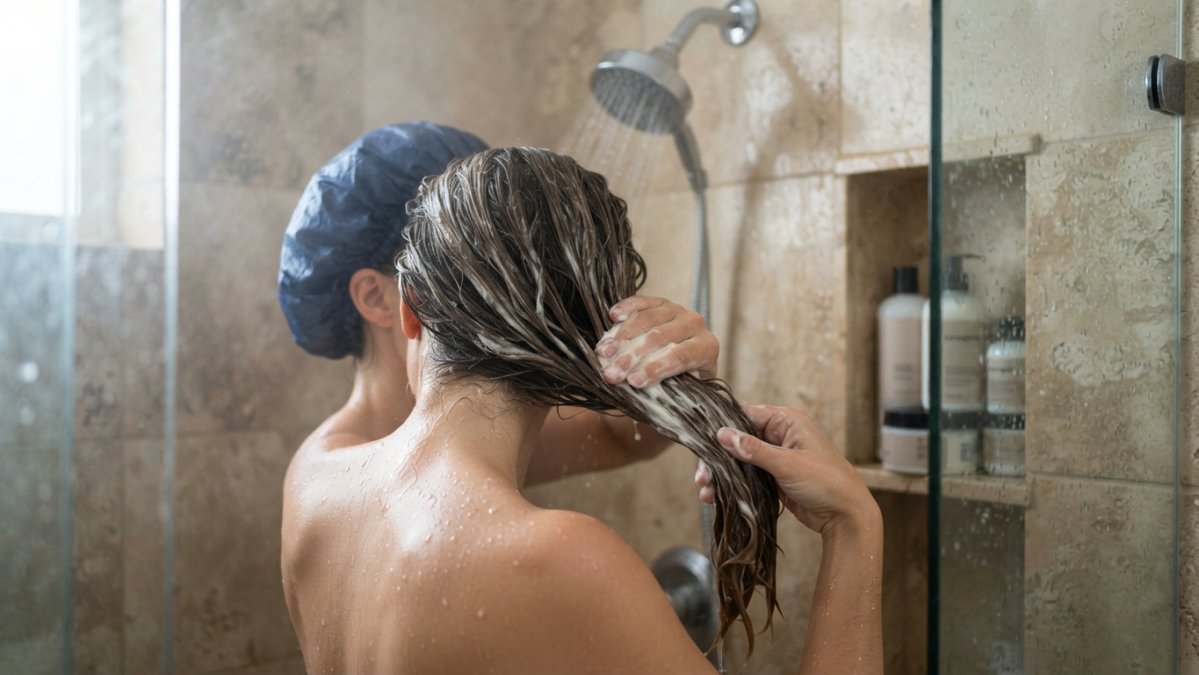
The right shampoo is non-negotiable. Most commercial shampoos contain sulfates that damage treated hair, so choose a sulfate-free formula that cleanses without stripping. Look for hydrolyzed keratin, argan oil, or silk proteins to reinforce the treatment and add shine.
Kerarganic's Keratin Shampoo Maintenance is formulated specifically for treated hair. It's sulfate-free and contains hydrolyzed keratin to repair damage, argan oil for moisture, and UV filters against sun fading.

How to Maintain Keratin-Treated Hair Between Salon Visits
Keratin treatments need specific maintenance because keratin molecules are delicate and require consistent protection. Keep keratin bonded to your hair while preventing moisture loss. Use the schedule below for your service, then apply the universal protection rules that follow.
A Maintenance Schedule by Treatment Type
| Treatment | First wash | Wash frequency | Deep conditioning | Heat limits | Typical refresh interval |
|---|---|---|---|---|---|
| Keratin smoothing | 72 hours | 2x weekly | Weekly, 10-15 min | Low-to-mid flat-iron heat; heat protectant always | 8-12 weeks |
| Bond-building | 48 hours | 2-3x weekly | Weekly moisture, protein only as directed | Moderate; avoid stacking heat tools | 4-6 weeks, often in series |
| Gloss / demi-permanent color | 48-72 hours | 2x weekly | Every 10-14 days | Low; UV protection daily | 4-6 weeks |
| Deep-conditioning service | 24-48 hours | 2-3x weekly | Every 10-14 days to avoid over-conditioning | Normal with protectant | 4-6 weeks |
| Chemical relaxer | 72 hours | 2x weekly | Weekly moisture plus light protein every 2-3 weeks | Low; minimize direct heat | 6-8 weeks for touch-ups |
Treat the intervals as planning ranges, not promises. A stylist assessing your hair in person can narrow them based on porosity, damage level, and color history.
Deep Conditioning and Weekly Treatment Schedules
Establish a weekly deep conditioning day, Sunday works well for most people. Shampoo, apply deep conditioner, leave 15 minutes, and rinse with cool water.
Kerarganic's Keratin Conditioner Post-Treatment is designed for this purpose, combining keratin with argan oil, panthenol, and wheat protein. At $14.60, it provides professional-grade deep conditioning at home, strengthening damaged fibers while adding moisture, exactly what keratin-treated hair needs weekly.

For the other six days, use a regular conditioner after every shampoo:
- Monday: Shampoo + regular conditioner
- Wednesday: Shampoo + regular conditioner
- Friday: Shampoo + regular conditioner
- Sunday: Shampoo + deep conditioner (15 minutes)
Protecting Against Heat, Sun, and Environmental Damage
Heat and sun are the two biggest threats to keratin treatments, breaking down compounds and causing premature fading.
Use a heat protectant spray on damp hair before blow drying, this simple step reduces heat damage by 40 to 50 percent.
UV rays break down treatment molecules faster than almost anything else. If you spend time outdoors, wear a UV-protective product or a hat.
Chlorine and salt also damage keratin treatments.
When Results Fade Early: Troubleshooting and When to Call the Salon
A treatment that fades in two weeks instead of eight to twelve usually has an identifiable cause. Work through these in order before booking another service.
- Fading within the first week: almost always a wash-timing or sulfate issue. Confirm you waited the full 72 hours, then audit your shampoo's first five ingredients.
- Frizz returning while hair still feels coated: often humidity exposure without a finishing product, or over-moisturizing without enough protein support.
- Hair feels stiff, straw-like, or snaps easily: protein overload. Pause protein products for two to three weeks and use moisture-only conditioning.
- Hair feels mushy and limp: moisture overload. Add a light protein treatment and reduce deep-conditioning frequency.
- Scalp irritation, redness, or unusual shedding: stop new products and contact your stylist; persistent symptoms warrant a dermatologist.
Call the salon rather than self-correcting if the result was uneven from day one, if you experience a chemical burn or significant breakage at the root, or if you're unsure your hair can safely take another service. Most salons assess a recent treatment free, and catching a problem in the first two weeks is far cheaper than repairing it later.
Cost and Value Over Time
Maintenance is a budget decision as much as a hair-care decision. A salon smoothing service typically runs several hundred dollars per visit and is refreshed every 8 to 12 weeks, while a gloss or bond-building service costs less but is more frequent. Home care is the smallest line item and most directly controls how long the salon result lasts: a treatment-safe shampoo and conditioner at $14.60 each is a fraction of a single salon visit, and stretching a service by even two weeks per cycle reduces annual visits.
Common Mistakes That Damage Treated Hair
Washing too frequently is the biggest culprit.
Using hot water opens the cuticle and lets treatment escape. Lukewarm or cool water keeps it closed and locks treatment in.
Skipping conditioner leaves treated hair dry and vulnerable, accelerating damage and fading.
Using regular shampoo with sulfates strips away treatment and natural oils, leaving hair dry and frizzy.
Blow drying without heat protectant burns treatment compounds.
Styling immediately after treatment before it fully sets reduces effectiveness.
Maintaining professional hair treatments requires consistency, but the effort pays off with longer-lasting results and healthier hair. Kerarganic Cosmetics, LLC's Keratin Shampoo Maintenance and Keratin Conditioner Post-Treatment are specifically formulated to extend treatment life while rebuilding strength and eliminating frizz.

Frequently Asked Questions
How often should you wash hair after a professional hair treatment?
Most professional hair treatments benefit from reduced wash frequency during the first 48-72 hours after application. After that initial period, wash your hair no more than 2-3 times weekly to preserve the treatment's effects. Frequent washing strips away the protective barrier that treatments create. When you do wash, use sulfate-free products specifically formulated for treated hair, like Kerarganic's Keratin Shampoo Maintenance, which gently cleanses without removing essential nutrients.
What products should you use after a professional hair treatment?
Use sulfate-free and color-safe products designed for treated hair. Your routine should include a gentle sulfate-free shampoo and a nourishing conditioner rich in keratin and natural oils. Kerarganic's Keratin Shampoo Maintenance and Keratin Conditioner Post-Treatment are formulated specifically for this purpose, containing hydrolyzed keratin, argan oil, and UV protection to repair damaged fibers and extend treatment longevity.
How long do professional hair treatments typically last?
Most professional hair treatments last, though duration depends on your hair type, maintenance routine, and treatment type. With proper aftercare using sulfate-free products, reduced wash frequency, and heat protection, you can extend results. Factors like water quality, styling habits, and environmental exposure significantly impact how long your treatment maintains its effects.
Can you use regular shampoo after a salon hair treatment?
No, regular shampoo containing sulfates will compromise your treatment results. Sulfates are harsh cleansing agents that strip away the protective proteins and moisture that professional treatments deposit into your hair. They cause color fading and reduce shine. Always use sulfate-free formulas designed for treated hair. Kerarganic's sulfate-free shampoos are specifically engineered to cleanse gently while preserving the treatment's benefits and maintaining hair health.