
Table of Contents
- What Organic Keratin Treatment Does for Damaged Hair
- How Formaldehyde-Free Keratin Treatment Protects Your Hair
- How to Repair Damaged Hair with Keratin: The Application Process
- Key Ingredients That Actually Repair Damaged Hair
- Keratin Treatment Aftercare for Damaged Hair: Maintaining Your Results
- Organic vs. Traditional Chemical Keratin Treatments
- Safety, Longevity, and Real Expectations
- Conclusion
Last Updated: August 23, 2026
What Organic Keratin Treatment Does for Damaged Hair
An organic keratin treatment for damaged hair is a restorative hair care system that uses plant-derived proteins and certified organic ingredients to rebuild weakened hair structure, reduce frizz, and restore shine without formaldehyde or harsh chemicals. Unlike temporary styling products, these treatments penetrate the hair cortex to repair internal damage caused by heat styling, chemical processing, or environmental stress.
Damaged hair loses its natural protein structure. When your hair feels brittle, looks dull, or breaks easily, it's signaling protein loss. A quality organic keratin treatment addresses this by replenishing the amino acids and hydrolyzed keratin that hold the hair shaft together.
Organic formulas use plant-derived smoothing agents, essential oils, and natural proteins instead of formaldehyde or harsh aldehydes. This matters because formaldehyde exposure carries documented health concerns that most professionals now avoid.
Results typically appear within 48-72 hours as the treatment settles into the hair structure. You'll notice reduced frizz immediately, increased shine within a week, and sustained smoothness for 5-6 weeks with proper maintenance. Longevity depends on your hair's porosity, washing frequency, and whether you use sulfate-free products.
How Formaldehyde-Free Keratin Treatment Protects Your Hair
Formaldehyde-free keratin treatments eliminate the most controversial ingredient in traditional salon systems. Formaldehyde is a known carcinogen classified by the International Agency for Research on Cancer, and many salons have moved away from it due to health and safety concerns (iarc.who.int).
Formaldehyde-free formulas achieve smoothing through glyoxylic acid, plant-derived smoothing agents, or hydrolyzed protein complexes that seal the cuticle without toxic exposure. Organic formulations typically exclude sulfates, parabens, and synthetic fragrances that damage already-compromised hair. Sulfates strip natural oils from the hair shaft, accelerating protein loss and undoing the repair work.
Many organic keratin formulas include UV filters and antioxidants that shield hair from heat damage during styling and environmental stressors like sun exposure and pollution.
How to Repair Damaged Hair with Keratin: The Application Process
Proper application determines whether you get 4 weeks of results or 6+ weeks. Follow these steps precisely for optimal outcomes.
Pre-Treatment Preparation
Your hair must be clean and free of product buildup before treatment. Use a clarifying shampoo 1-2 days before treatment to remove residue that prevents penetration.
Assess your hair's porosity. High-porosity hair needs longer processing time; low-porosity hair processes faster. Protect your skin and workspace with barrier cream along your hairline and ears, and ensure good ventilation.
Step-by-Step Application
Step 1: Section your hair. Divide damp hair into 4-6 sections using clips. Work from the back forward, as the nape area typically has the most damage.
Step 2: Apply the treatment systematically. Starting at the roots, apply the keratin formula section by section, working it through to the ends. Each strand should be coated but not drenched.
Step 3: Comb through for even distribution. Use a wide-tooth comb to distribute the treatment evenly and detangle, ensuring the keratin reaches all hair surfaces.
Step 4: Process according to hair type. Leave the treatment on for 20-45 minutes depending on your hair's porosity and product instructions.
Step 5: Rinse thoroughly with cool water. Use cool water to close the cuticle and lock in the treatment. Rinse until the water runs completely clear.
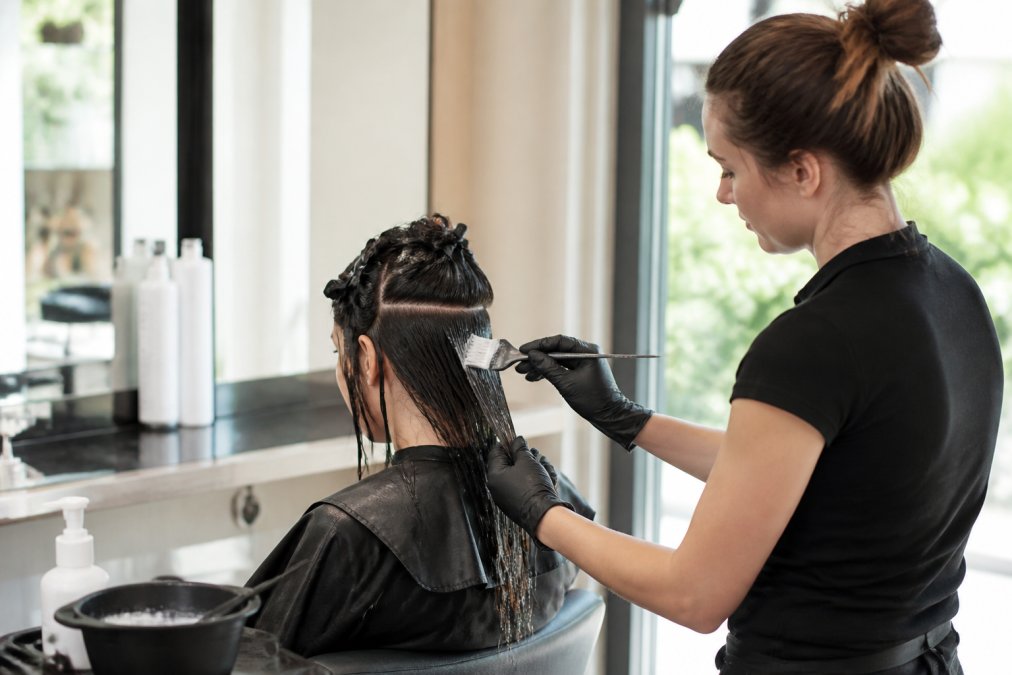
Step 6: Apply heat to seal. Many organic keratin treatments require blow-drying and flat-ironing at 350-400°F to activate the formula and seal it into the hair shaft. Blow-dry completely, then flat-iron each section slowly from root to tip.
Step 7: Cool-down period. Let your hair cool completely before washing or styling. Most professionals recommend waiting 24-48 hours before your first wash.
Key Ingredients That Actually Repair Damaged Hair
Hydrolyzed keratin is the foundation of any effective treatment. Hydrolyzed means the keratin has been broken down into smaller molecules that penetrate the hair cortex. Look for this ingredient in the first 3-5 items on the ingredient list.
Amino acid complexes work alongside keratin to rebuild hair structure. Formulas including arginine, lysine, and cysteine provide the raw materials your hair needs to repair itself.
Plant-derived oils serve multiple purposes in organic formulations. Argan oil provides antioxidants and fatty acids that seal the cuticle and add shine. Coconut oil penetrates the hair shaft and reduces protein loss.
Glyoxylic acid is a common formaldehyde-free smoothing agent in modern treatments. It cross-links proteins in the hair shaft without toxicity and requires proper ventilation and heat activation. However, some experts have suggested glyoxylic acid should be avoided in hair care due to emerging evidence that it can absorb through the skin and damage the kidneys.
Vitamin E and antioxidants protect against environmental damage while the treatment is in your hair.
| Ingredient | Purpose | Why It Matters |
|---|---|---|
| Hydrolyzed keratin | Rebuilds hair protein structure | Repairs internal damage, not just coating |
| Amino acid complex | Provides protein building blocks | Fills gaps in damaged hair shaft |
| Argan oil | Seals cuticle, adds antioxidants | Reduces frizz, adds shine, prevents future damage |
| Glyoxylic acid | Formaldehyde-free smoothing agent | Achieves results without toxicity |
| Vitamin E | Antioxidant protection | Defends against environmental stressors |
If hydrolyzed keratin appears after water and oils, you're paying for a moisturizer with keratin added. A quality formula lists hydrolyzed keratin in the first 3-5 ingredients.
Keratin Treatment Aftercare for Damaged Hair: Maintaining Your Results
The first 48-72 hours after treatment are critical. Your hair is still bonding the keratin into the shaft. Most professionals recommend waiting at least 48 hours before your first wash.
After the initial waiting period, use sulfate-free shampoo exclusively. Sulfates strip oils and protein from your hair, directly undoing the keratin treatment. Regular shampoo can reduce treatment longevity by 50% or more.
Wash 2-3 times per week using cool or lukewarm water rather than hot. Hot water opens the cuticle and allows keratin to escape; cool water seals it in.
Heat styling accelerates keratin fading. If you blow-dry or flat-iron daily, expect 4-5 weeks of results. If you air-dry and minimize heat, you'll get 6+ weeks.
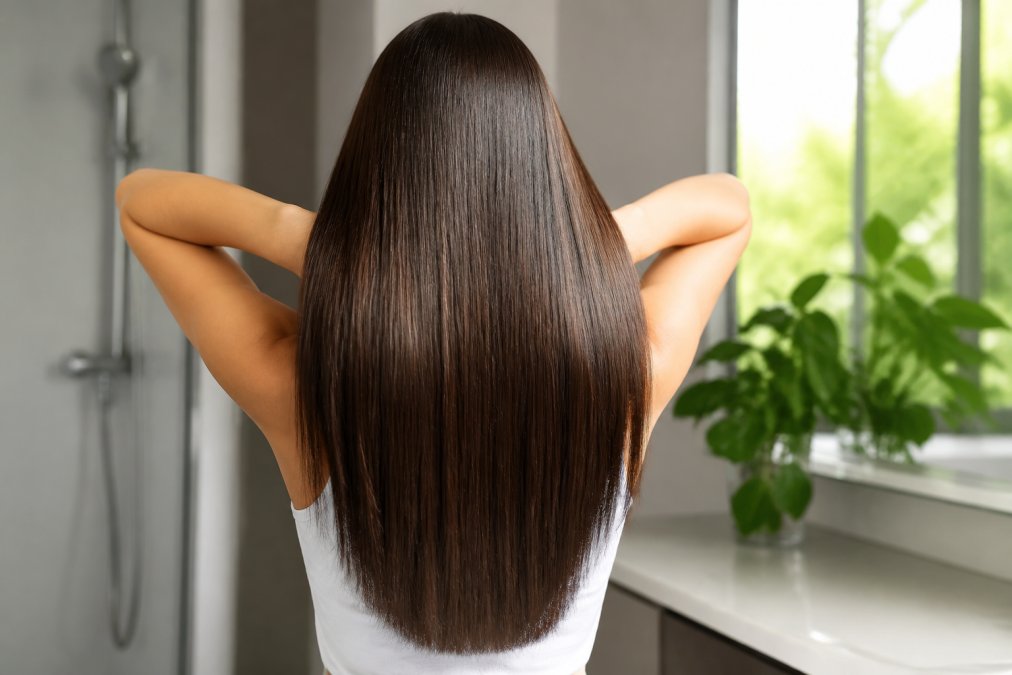
Leave-in conditioners and keratin serums extend results significantly. Apply keratin serum 2-3 times per week to reinforce treatment bonds.
Organic vs. Traditional Chemical Keratin Treatments
Traditional chemical treatments typically contain formaldehyde or formaldehyde-releasing preservatives. Results last 4-6 months, but the trade-off is exposure to a known carcinogen during application.
Organic keratin treatments use plant-derived smoothing agents and certified organic proteins. Results typically last 5-6 weeks rather than 6 months. However, there's no toxic exposure, and the treatment is gentler on already-damaged hair.
Traditional treatments are often cheaper due to simpler formulation. Organic treatments may have different pricing due to certified ingredient sourcing. For current pricing, please visit our website.
Traditional treatments take 2-4 hours in a salon. Organic treatments typically take 45 minutes to 1.5 hours, making them practical for at-home use. Kerarganic Cosmetics, LLC formulations are designed for both professional and DIY application.
For damaged hair specifically, organic treatments are often preferred. If your hair is already compromised by bleaching, heat damage, or chemical processing, adding formaldehyde exposure compounds the damage.
| Aspect | Traditional Chemical | Organic Keratin |
|---|---|---|
| Active smoothing agent | Formaldehyde or formaldehyde releasers | Glyoxylic acid, plant-derived agents |
| Longevity | 4-6 months | 5-6 weeks |
| Health risk | Formaldehyde exposure during application | No known toxicity |
| Processing time | 2-4 hours | 45 min - 1.5 hours |
| Best for damaged hair | Not ideal; adds chemical stress | Ideal; repairs without additional damage |
| At-home feasibility | Difficult; requires ventilation and skill | Practical; shorter application window |
Safety, Longevity, and Real Expectations
Safety concerns around keratin treatments center on formaldehyde exposure. The Occupational Safety and Health Administration (OSHA) classifies formaldehyde as a carcinogen. Stylists who apply formaldehyde-based treatments daily face cumulative exposure over years.
Formaldehyde-free treatments eliminate this concern entirely. Glyoxylic acid and plant-derived smoothing agents have not been linked to cancer or chronic health issues when used as directed. However, some experts have suggested glyoxylic acid should be avoided in hair care due to emerging evidence that it can absorb through the skin and damage the kidneys.
Longevity expectations should be realistic. A quality organic keratin treatment lasts 5-6 weeks with proper aftercare, not 3-6 months. By week 4-5, you'll notice smoothing fading and frizz returning, especially with frequent washing or heat styling.
Hair texture changes are usually positive. Damaged hair becomes smoother, shinier, and more elastic. On curly or textured hair, curls soften and become more defined rather than disappearing.
Frequency depends on your hair condition and routine. Heavily damaged hair may benefit from treatments every 4-5 weeks. Don't treat more than once every 4 weeks to avoid over-processing. Don't apply keratin treatments within 2 weeks of bleaching, coloring, or relaxing your hair.
Conclusion
An organic keratin treatment for damaged hair is a legitimate repair tool when you understand what it does and doesn't do. It rebuilds protein structure, reduces frizz, and extends the life of salon treatments, but it requires proper aftercare to deliver results. The shift toward formaldehyde-free formulations means you no longer have to choose between effectiveness and safety.
Kerarganic Cosmetics, LLC offers professional-quality organic keratin systems designed specifically for damaged hair. Our formulations use hydrolyzed keratin, amino acid complexes, and certified organic oils to repair internal damage without formaldehyde or harsh chemicals. Whether you're treating over-processed hair at home or maintaining salon results, our sulfate-free product ecosystem ensures your treatment lasts as long as possible. OSHA guidelines on formaldehyde safety confirm that formaldehyde-free treatments eliminate workplace and personal exposure risks that traditional keratin treatments carry.
Visit our website to explore our complete organic keratin system and find the right treatment for your hair type and damage level. SHOP NOW
Frequently Asked Questions
Can organic keratin treatment actually repair damaged hair?
Yes. Organic keratin treatments work by penetrating the hair shaft and filling structural gaps caused by heat, chemical, or mechanical damage. Hydrolyzed keratin molecules bond with damaged areas, restoring elasticity and strength. Results are most visible on over-processed or color-treated hair. Severely compromised hair may require multiple treatments or professional application for optimal repair.
How long does an organic keratin treatment last on damaged hair?
Most organic keratin treatments deliver full results for 4-6 weeks with proper aftercare. Fading is gradual; by week 3-4, you'll notice reduced smoothing and increased frizz. Longevity depends on washing frequency, heat styling, and sulfate-free product use.
Is formaldehyde-free keratin treatment as effective as traditional formulas?
Modern formaldehyde-free keratin treatments are highly effective for smoothing and repair. They use alternative actives like glyoxylic acid or plant-derived proteins to achieve similar results without the health risks associated with formaldehyde. The trade-off: formaldehyde-free options may require slightly longer processing time or multiple applications to match traditional durability, but they eliminate toxicity concerns and work well for all hair types, including curly and textured hair.
What ingredients should I look for in an organic keratin treatment for damaged hair?
Prioritize hydrolyzed keratin, amino acid complexes, and plant-derived oils like argan, coconut, and jojoba oil. Look for formulas with vitamins (especially B vitamins and Vitamin E), natural humectants, and UV protection. Avoid products listing sulfates, parabens, or synthetic fragrances if you want truly organic repair. Certifications or third-party testing for organic status and formaldehyde-free claims add credibility to product claims.
How often can I safely apply keratin treatments to damaged hair?
For professional treatments, space applications 3 to 5 months apart to allow your hair to recover between applications. At-home smoothing creams or leave-in keratin serums can be used 2 to 3 times weekly without risk. Never apply professional keratin treatments more frequently than every 8 weeks, as over-saturation can weaken hair structure or cause buildup. Listen to your hair: if it feels brittle or looks dull, extend the interval between treatments.
This article was written using GrandRanker