
Table of Contents
- Why Keratin Treatments Fade Fast: The Core Causes
- Water Quality Impact on Keratin Treatment Longevity
- How Long Does a Keratin Treatment Last Without Proper Care
- Keratin Treatment Aftercare Rules That Prevent Premature Fading
- Best Sulfate Free Shampoo for Keratin Maintenance
- Post-Treatment Lifestyle Adjustments That Extend Results
- Signs Your Keratin Treatment Is Wearing Off and What to Do
- Conclusion
Why Keratin Treatments Fade Fast: The Core Causes
Keratin treatments fade faster than expected because the chemical bonds sealing the hair cuticle break down when exposed to specific triggers: harsh sulfates strip the protective coating, water minerals interfere with the treatment, heat styling accelerates breakdown, and environmental exposure weakens the structure. At Kerarganic Cosmetics, LLC, we provide professional-quality, keratin-infused hair care solutions designed to enhance the health and vibrancy of all hair types and textures.
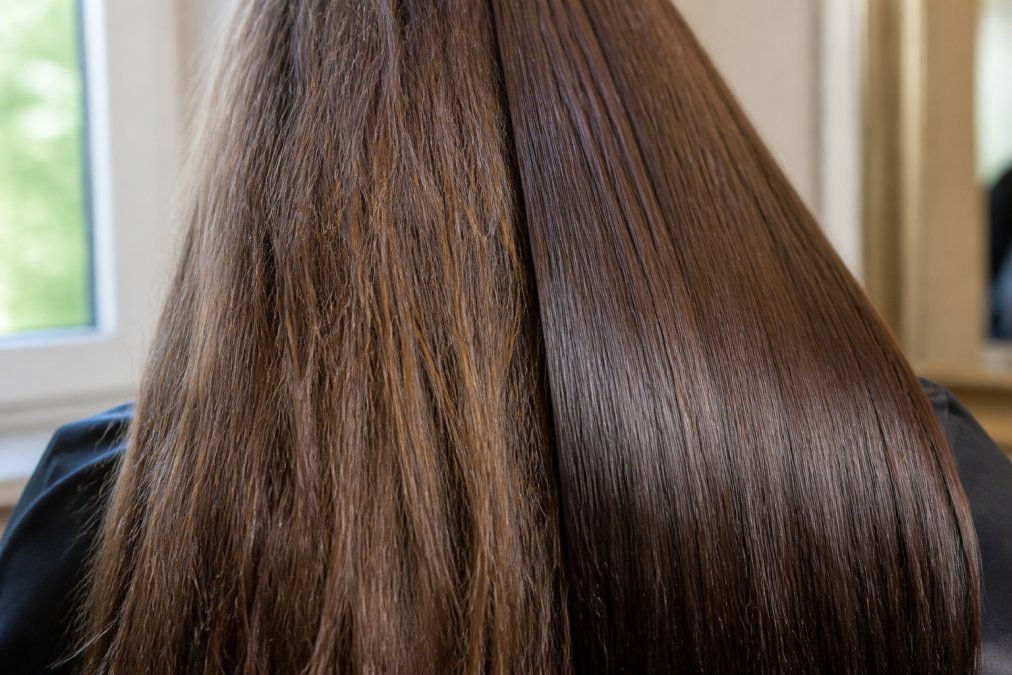
Most people blame shampoo or water immediately, but the real problem is usually a combination of factors. A single issue might reduce your treatment's lifespan by a few weeks. Multiple issues compound, and suddenly your $300 salon treatment lasts only three weeks instead of three months.
The seven hidden causes are: water quality minerals, sulfate-based shampoos, heat styling without protection, environmental humidity and pollution, post-treatment product interactions, washing frequency, and the transition phase immediately after application.
Water Quality Impact on Keratin Treatment Longevity
Hard water containing high levels of minerals, calcium, and magnesium deposits residue on the hair shaft every time you wash. This mineral buildup interferes with the chemical bonds holding the treatment in place. Each wash adds another microscopic layer, and after a few weeks, these deposits create a barrier that allows the keratin treatment to break down faster. In hard-water areas, treatments might fade within two to three weeks instead of eight to twelve weeks.
If you have hard water, you have three options: install a water softener system, use a chelating shampoo once weekly, or invest in a shower filter designed to reduce minerals. Many stylists recommend the shower filter approach because it's affordable, requires no installation, and protects your keratin treatment without additional purchases.
Water quality also affects how well the keratin treatment bonds during initial application. This is why salon professionals in hard-water areas often pre-treat hair with chelating products before applying keratin treatments.
How Long Does a Keratin Treatment Last Without Proper Care
A keratin treatment lasts between 8 and 12 weeks with proper maintenance, but without proper care, results degrade within 3 to 4 weeks (peer-reviewed research). The difference comes down to how well you protect the chemical bonds.
The first 48 to 72 hours after application are critical (peer-reviewed research). During this window, the keratin is still bonding to the hair shaft and is most vulnerable to disruption. Washing, sweating, swimming, or applying other products during this period can compromise the entire treatment.
After the initial bonding period, the treatment becomes more stable but still requires protection. Each wash, heat styling session, and exposure to chlorinated or saltwater weakens the bonds incrementally. Without sulfate-free shampoo, the treatment might last only 6 weeks. Without heat protectant spray, heat styling can reduce longevity by 20-30%. Without addressing water quality, mineral deposits can cut the treatment's lifespan in half.
Professional stylists who maintain their own keratin treatments typically see results lasting 10-12 weeks because they address all seven causes. At-home users following basic aftercare often see results fading around 6-8 weeks. Users ignoring aftercare might see fading within 3-4 weeks.
Keratin Treatment Aftercare Rules That Prevent Premature Fading
Proper keratin treatment aftercare requires consistency and addresses the specific triggers that break down chemical bonds fastest.
Rule 1: Wait 72 hours before washing. During the first three days, the keratin is still bonding to the hair shaft. Any contact with water can disrupt this process and compromise the treatment.
Rule 2: Use sulfate-free shampoo exclusively. Sulfates are harsh detergents that strip the protective coating and break down the keratin treatment. Sulfate-free formulas clean without stripping. This single change often extends results by 4-6 weeks.
Rule 3: Minimize washing frequency. Wash your hair only 2-3 times per week if possible. On non-wash days, use dry shampoo or rinse with water to reduce cumulative damage.
Rule 4: Apply heat protectant before any heat styling. Heat accelerates chemical bond breakdown. Heat protectant creates a barrier between heat and the keratin treatment, significantly reducing thermal damage.
Rule 5: Avoid chlorinated and saltwater. Both damage the hair cuticle and interfere with the keratin treatment. If you swim, wet your hair with fresh water and apply leave-in conditioner first. Rinse immediately after swimming with fresh water and sulfate-free shampoo.
Rule 6: Don't use products with silicones or heavy oils. Some leave-in conditioners contain silicones that build up on the hair shaft and interfere with the treatment. Read ingredient labels and avoid dimethicone or cyclopentasiloxane. Use lightweight leave-in conditioners designed for keratin-treated hair.
Rule 7: Get regular trims every 6-8 weeks. Split ends and damaged hair weaken overall structure and make the treatment fade more visibly. Regular trims keep hair healthy and help the keratin treatment maintain its appearance longer.
Best Sulfate Free Shampoo for Keratin Maintenance
The best sulfate-free shampoos for keratin maintenance contain hydrolyzed keratin, which replenishes the protein treatment with each wash. Look for formulas with moisture-locking ingredients like glycerin or panthenol and pH-balanced formulas (around 4.5-5.5) that are gentler on the hair cuticle.
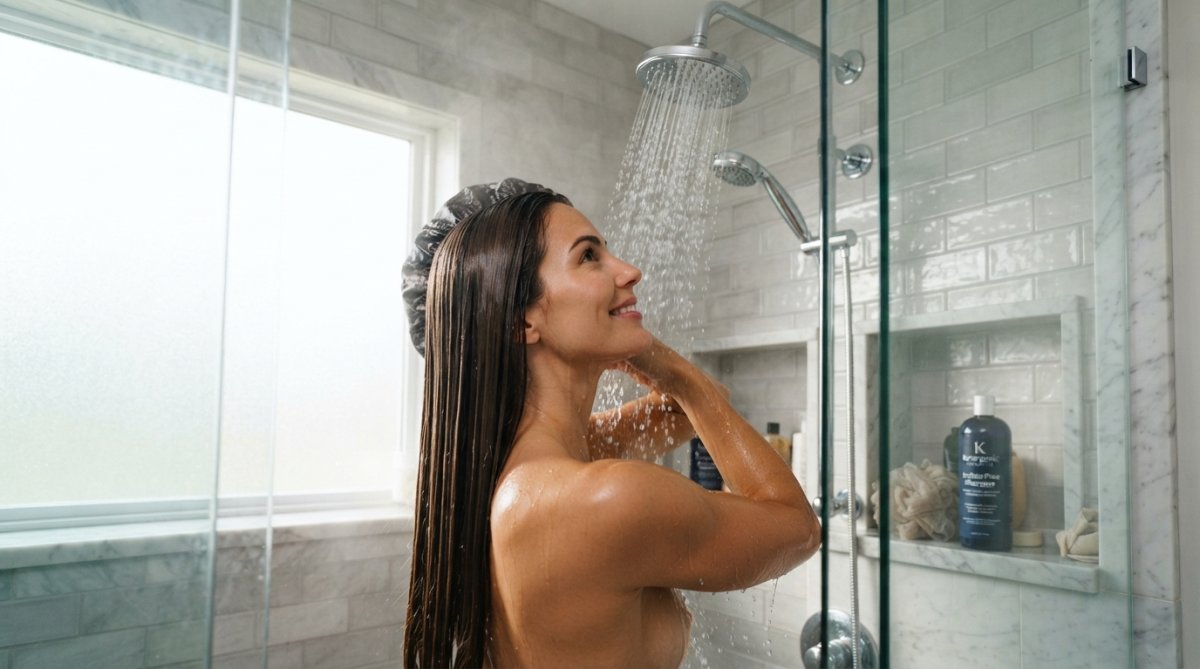
Avoid sulfate-free shampoos containing heavy silicones or waxes that build up on the hair shaft and interfere with the treatment. Similarly, avoid clarifying shampoos designed to remove buildup, as these are too harsh for keratin-treated hair.
Using a dedicated keratin-maintenance shampoo specifically formulated for treated hair is most effective. These products clean without stripping, contain keratin-replenishing ingredients, and maintain pH balance. Kerarganic Cosmetics, LLC offers professional-grade sulfate-free formulas specifically designed for keratin-treated hair, featuring hydrolyzed keratin and pH-balanced cleansing that extends treatment longevity.
When washing, use lukewarm water rather than hot water. Hot water opens the hair cuticle and accelerates keratin treatment breakdown. Apply shampoo to the scalp and massage gently, letting the lather rinse down the hair shaft without rough scrubbing.
Post-Treatment Lifestyle Adjustments That Extend Results
Daily lifestyle choices significantly impact how long your keratin treatment lasts.
Sleep and friction: Cotton pillowcases create friction that damages the hair cuticle and accelerates fading. Switch to a silk or satin pillowcase, which reduces friction and maintains moisture retention. This often extends results by 1-2 weeks.
Humidity and environmental exposure: High humidity causes the hair cuticle to swell slightly, disrupting the keratin treatment's bond. Use anti-frizz serums or leave-in conditioners designed for keratin-treated hair. Sun exposure and pollution damage the hair shaft over time, so wear a hat in direct sunlight or use UV-protective hair products.
Styling habits: Tight hairstyles like braids or buns create tension that weakens the keratin treatment. Opt for looser styles or use silk scrunchies instead of elastic bands to reduce mechanical stress.
Swimming and water exposure: Chlorine and salt water are among the most damaging substances for keratin-treated hair. If you swim regularly, use protective measures like swimming caps or pre-treatment with leave-in conditioner.
Diet and hydration: Maintaining proper hydration and consuming adequate protein supports hair strength and resilience, ensuring your hair benefits from the treatment.
Signs Your Keratin Treatment Is Wearing Off and What to Do
Recognizing early signs of fading helps you adjust your maintenance routine before results deteriorate completely.
Early signs: Increased frizz around the hairline and crown is usually the first indicator. Hair doesn't feel as smooth, styling takes longer, and elasticity decreases.
Mid-stage fading: Around week 6-8, the smoothing effect becomes less dramatic. Your natural hair texture starts becoming visible again, particularly at the roots. Frizz becomes more noticeable.
Advanced fading: By week 10-12, the treatment is largely gone and your hair returns to its pre-treatment texture.
What to do when you notice fading: Increase your use of leave-in conditioner and heat protectant spray. Switch to sulfate-free shampoo if you haven't already, and reduce washing frequency to 1-2 times per week. Use a smoothing serum or anti-frizz product to maintain appearance while the treatment fades.
If fading occurs much faster than expected (within 4-5 weeks), assess which of the seven causes might be responsible. Are you using sulfate-based shampoo? Is your water hard? Are you heat styling without protection? Addressing the specific cause can slow remaining fading.
Many people schedule their next keratin treatment for week 10-12, before the current treatment completely fades, creating a continuous cycle of smooth, treated hair.
Conclusion
Keratin treatments fade because chemical bonds protecting your hair break down under specific environmental and chemical stressors. Water quality, sulfate-based products, heat damage, and lifestyle factors all contribute to premature fading. Understanding these seven hidden causes and addressing each one systematically extends your treatment from 3-4 weeks to 10-12 weeks or longer.
The most effective approach combines proper product selection, consistent aftercare habits, and lifestyle adjustments. Using sulfate-free shampoo, protecting against heat damage, addressing water quality issues, and maintaining healthy styling habits creates a comprehensive protection system that preserves your keratin treatment investment. Kerarganic Cosmetics, LLC's formaldehyde-free keratin treatments and sulfate-free maintenance products are specifically designed to work together, delivering professional-grade results that last. Start with proper aftercare today and experience the difference that comprehensive keratin maintenance makes.
Frequently Asked Questions
How long does a keratin treatment last if I follow proper aftercare?
With correct maintenance, keratin treatments typically last 8 to 12 weeks before noticeable fading occurs. Duration depends heavily on your wash frequency, water quality, and heat styling habits. Using sulfate-free shampoos, limiting heat exposure, and avoiding chlorinated water can extend results toward the 12-week mark. Professional salon treatments often last slightly longer than at-home applications due to stronger formulations and proper application techniques.
Does washing hair too often cause keratin to fade faster?
Yes, frequent washing accelerates keratin fading. Each wash strips away the treatment's protective layer and can break the chemical bonds that keratin creates in your hair shaft. Washing more than 3 times per week significantly reduces treatment longevity. Dry shampoo between washes and extended-wear styles help preserve keratin. When you do wash, use lukewarm water and sulfate-free formulas designed for keratin-treated hair to minimize damage.
What are the signs that my keratin treatment is wearing off?
Watch for increased frizz, reduced shine, and loss of smoothness as your first indicators. Your hair may feel less manageable and require more styling time. Split ends and breakage may increase as the protective keratin layer thins. You might notice your natural curl pattern or texture returning, especially at the roots as new hair grows. If you're spending significantly more time with a flat iron or heat tools, your treatment has likely faded and needs refreshing.
Can water quality really affect how fast keratin fades?
Absolutely. Hard water contains mineral deposits like sodium chloride and calcium that accumulate on your hair shaft and break down keratin bonds over time. Chlorinated water from pools or hot tubs also damages the treatment rapidly. If your water is hard or chlorinated, consider installing a shower filter or using chelating rinses monthly to remove mineral buildup. This single adjustment can extend your keratin treatment by 2 to 4 weeks.
This article was written using GrandRanker