
Table of Contents
- Why Your Hair Turns Frizzy After Washing
- Step 1: Wash With the Right Water Temperature and Shampoo
- Step 2: Detangle Gently With a Wide-Tooth Comb
- Step 3: Apply Leave-In Conditioner and Anti-Frizz Serum
- Step 4: How to Air Dry Hair Without Frizz
- Step 5: Keratin Treatment Benefits for Frizz Control
- Best Products for Frizzy Hair: What to Look For
- Environmental Factors: Hard Water and Humidity
- Frequently Asked Questions
Last Updated: September 20, 2026
Why Your Hair Turns Frizzy After Washing
Frizzy hair after washing happens when the hair cuticle lifts and lets moisture escape. The fix is not one product. It is a sequence of small habits, done in the right order, that keep the cuticle flat while your hair dries.
This guide from Kerarganic Cosmetics, LLC breaks that sequence into seven steps. Each one takes seconds to add to your routine. Together, they change how your hair dries, how it feels, and how long your style holds.
Frizz is not damage. It is a moisture problem.
When hair absorbs water, the shaft swells. When it dries too fast, the cuticle lifts and roughs up. Rough hair catches light unevenly, so it looks dull and fuzzy instead of smooth.
The Science of the Hair Cuticle and Moisture
The hair cuticle is the outer layer of each strand, made of overlapping scales. When those scales lie flat, hair reflects light and feels smooth. When they lift, hair feels rough and frizz forms.
Water is the trigger. Wet hair is fragile hair.
Hair stretches and swells when soaked, then shrinks as it dries. If it dries unevenly or too quickly, the scales catch on each other and stay open. That is why the same hair can look sleek one day and puffy the next.
- Flat cuticle: shine, smoothness, easy detangling
- Lifted cuticle: frizz, dullness, rough texture
- Fast drying: more lifting, more friction
How Hair Porosity Affects Frizz
Hair porosity describes how easily your hair takes in and holds water. It is the single most useful thing to know about your own hair, and most guides skip it entirely.
Test it at home. Drop a clean strand into a glass of water and watch for two minutes.
| Porosity | Water Test Result | What It Means | Frizz Risk |
|---|---|---|---|
| Low | Strand floats | Cuticle is tight, water stays out | Product buildup, dullness |
| Medium | Strand sinks slowly | Balanced, healthy cuticle | Low with basic care |
| High | Strand sinks fast | Cuticle is open, water moves freely | High, dries out fast |
High-porosity hair loses moisture as quickly as it gains it. That hair needs leave-in layers and sealing oils. Low-porosity hair needs lighter products and less of them. If you treat both the same way, one of them will frizz.
Step 1: Wash With the Right Water Temperature and Shampoo
Wash with lukewarm water, not hot. Hot water strips natural oils and lifts the cuticle, which is exactly what you are trying to avoid.
Save the cold rinse for the end.
Why Cold Water Helps Seal the Cuticle
Cold water contracts the hair shaft and smooths the outer scales. The effect is temporary, but it sets the tone for everything that follows.
Choosing Sulfate-Free Shampoo and Conditioner
Sulfate-free shampoo cleans without stripping the oils your hair needs. Sulfates create lather, but they also leave hair dry and rough.
Step 2: Detangle Gently With a Wide-Tooth Comb
Detangle wet hair with a wide-tooth comb and start at the ends. Ripping a brush through wet hair breaks strands and roughs up the cuticle.
- Start at the ends, never the scalp
- Comb in small sections, not one big sweep
- Never brush wet hair with a fine-tooth comb or dense brush
Step 3: Apply Leave-In Conditioner and Anti-Frizz Serum
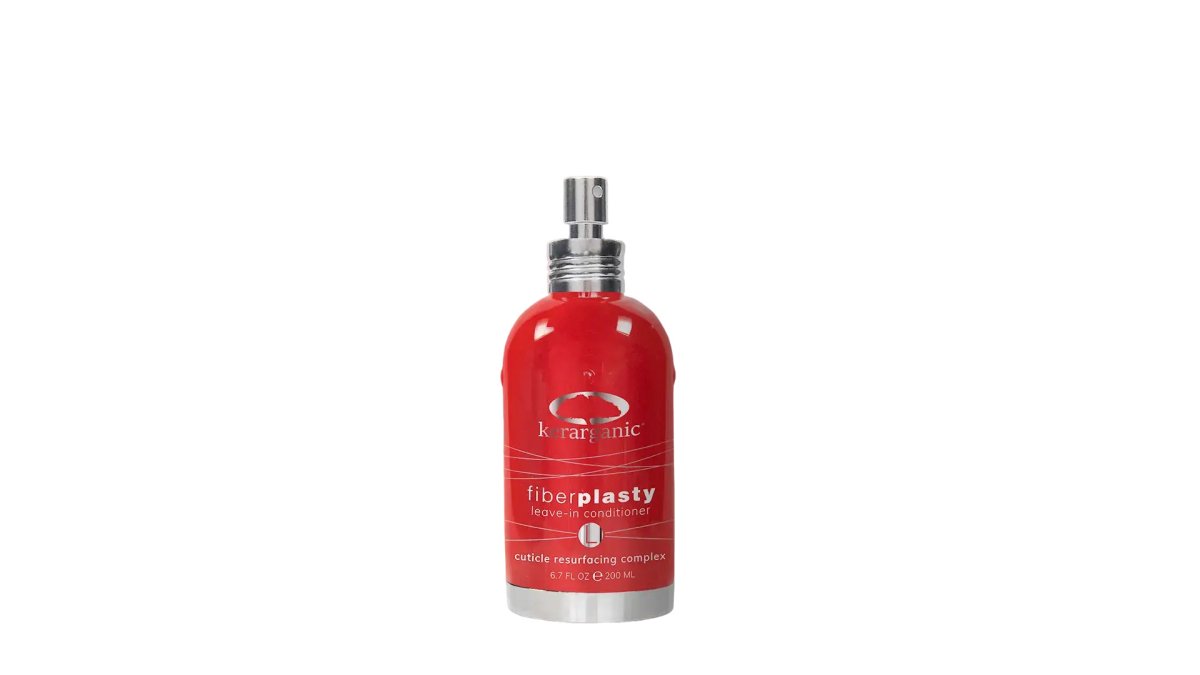
Apply leave-in conditioner to damp hair, then seal it with a light anti-frizz serum. This two-layer approach is where most routines win or lose.

Step 4: How to Air Dry Hair Without Frizz
To air dry hair without frizz, remove water gently and leave the hair alone while it dries. Touching hair during drying is the fastest way to create frizz.
FIBERPLASTY BIOLAMINATING ANTI-FRIZZ →
Plopping and Microfiber Towel Techniques
Plopping means wrapping wet hair in a microfiber towel or T-shirt and letting it sit. It pulls water out without rubbing the cuticle.
Here is how to do it:
- Lay the towel flat and flip your hair into the center
- Wrap the fabric around your head and secure it
- Leave it for 10 to 20 minutes, then remove gently
- Do not rub. Squeeze water out in sections instead
| Drying Method | Friction Level | Frizz Risk | Best For |
|---|---|---|---|
| Terry towel rub | High | High | Nobody |
| Cotton T-shirt | Low | Low | Curly, wavy, fine hair |
| Microfiber towel | Low | Low | All hair types |
| Plopping | Very low | Very low | Curly and wavy hair |
Step 5: Keratin Treatment Benefits for Frizz Control
Keratin treatment benefits for frizz come down to one thing: replacing protein that washing and styling strip away. Keratin fills gaps in the hair shaft and smooths the surface.
Best Products for Frizzy Hair: What to Look For
The best products for frizzy hair share a short list of traits. Learn the list and you can judge any bottle in ten seconds.
Look for:
- Sulfate-free and salt-free formulas that clean without stripping
- Keratin, collagen, or plant-based ceramides to fill the cuticle
- Humectants like glycerin and hyaluronic acid to draw in moisture
- Sealing oils such as argan, macadamia, and olive oil to hold it there
- Heat and UV protection if you blow dry or flat iron
Environmental Factors: Hard Water and Humidity
Two things outside your routine cause most stubborn frizz: your water and your air. Most guides skip both, which is why so many readers follow every step and still get frizz.
Hard Water Buildup: The Invisible Frizz Layer
Hard water carries dissolved calcium and magnesium. When that water hits your hair, those minerals bind to the cuticle and stay there after the water evaporates. Over time they form a film, sometimes visible as dullness, sometimes only felt as roughness.
That film does three things:
- It roughens the cuticle surface, which increases friction between strands
- It blocks conditioners, oils, and leave-ins from reaching the cortex
- It attracts more minerals on the next wash, so the buildup compounds
Signs you have hard water buildup:
- Shampoo struggles to lather, or lather collapses quickly
- Hair feels coated or waxy even after rinsing thoroughly
- Conditioner seems to sit on top of the hair instead of absorbing
- White scale on showerheads, faucets, or glass doors
- Hair looks duller in the same lighting where it used to shine
What helps:
- A clarifying shampoo every two to four weeks to strip mineral film. Look for chelating ingredients like EDTA or phytic acid on the label.
- A shower filter rated for hard water. Carbon filters handle chlorine; you need one that also addresses calcium and magnesium.
- A final acidic rinse, diluted apple cider vinegar or a citric-acid-based product, to help dissolve surface minerals and close the cuticle.
Humidity and Dew Point: Why Humectants Backfire
Humidity affects frizz through a mechanism most people get backwards. Humectants like glycerin and hyaluronic acid pull moisture from the air into your hair. In dry air, that is helpful. In humid air, it is a problem, the hair keeps absorbing water, the shaft swells, and the cuticle lifts.
- Dew point below 55°F, humectants work in your favor
- Dew point 55-65°F, humectants are borderline; use lighter amounts
- Dew point above 65°F, skip glycerin-heavy products and lean on sealing oils and film-formers
On high-dew-point days:
- Use sealing oils like argan, macadamia, or jojoba to create a barrier
- Choose products with film-formers (PVP, VP/VA copolymer) that block moisture transfer
- Avoid glycerin, sorbitol, and honey high on the ingredient list
- Consider a light gel cast for curly and wavy hair to lock the pattern before it dries
Dry Air and Indoor Heating
Cold, dry air creates the opposite problem. Indoor heating pulls moisture out of hair, so add a leave-in layer before you leave the house. A humidifier in the bedroom helps overnight, when hair is most vulnerable to moisture loss.
Frequently Asked Questions
Why is my hair so frizzy after I wash it?
Frizz happens when the hair cuticle lifts and absorbs moisture from the air. Washing strips natural oils, leaving the hair shaft vulnerable. If you use hot water, rough towels, or skip conditioner, the cuticle stays raised and frizz forms as hair dries. Hard water minerals and high humidity make it worse by adding buildup or forcing extra moisture into the hair.
How do I immediately fix frizzy hair?
For a quick fix, apply a few drops of anti-frizz serum to dry hair, focusing on mid-lengths and ends. Smooth it down with your hands or a soft brush. You can also mist hair lightly with water and re-scrunch to redefine waves. Avoid brushing dry hair, which breaks up curl clumps and creates more frizz.
Does cold water actually help reduce hair frizz?
Yes. Cold water helps seal the hair cuticle after washing, locking in moisture and creating a smoother surface. Hot water raises the cuticle, making hair more prone to frizz and dryness. A final cold rinse for 30 seconds after conditioning can make a noticeable difference in shine and smoothness.
What is the best way to dry hair to prevent frizz?
Skip the rough towel rub. Use a microfiber towel or a cotton T-shirt to gently squeeze water out of your hair. Then let it air dry or use a blow dryer on low heat with a diffuser attachment. Keep the dryer moving and hold it at least 6 inches away. Avoid touching your hair while it dries, since friction disrupts the cuticle and causes frizz.