
Table of Contents
- Start With the Hair Product Ingredients List
- Decode Hair Product Label Claims
- Group Hair Product Ingredients by Function
- Match the Label to Your Hair Type
- Spot Irritants and Red Flags on the Label
- Check Directions, Warnings, and Storage
- Conclusion
- Frequently Asked Questions
Last Updated: October 17, 2026
Start With the Hair Product Ingredients List
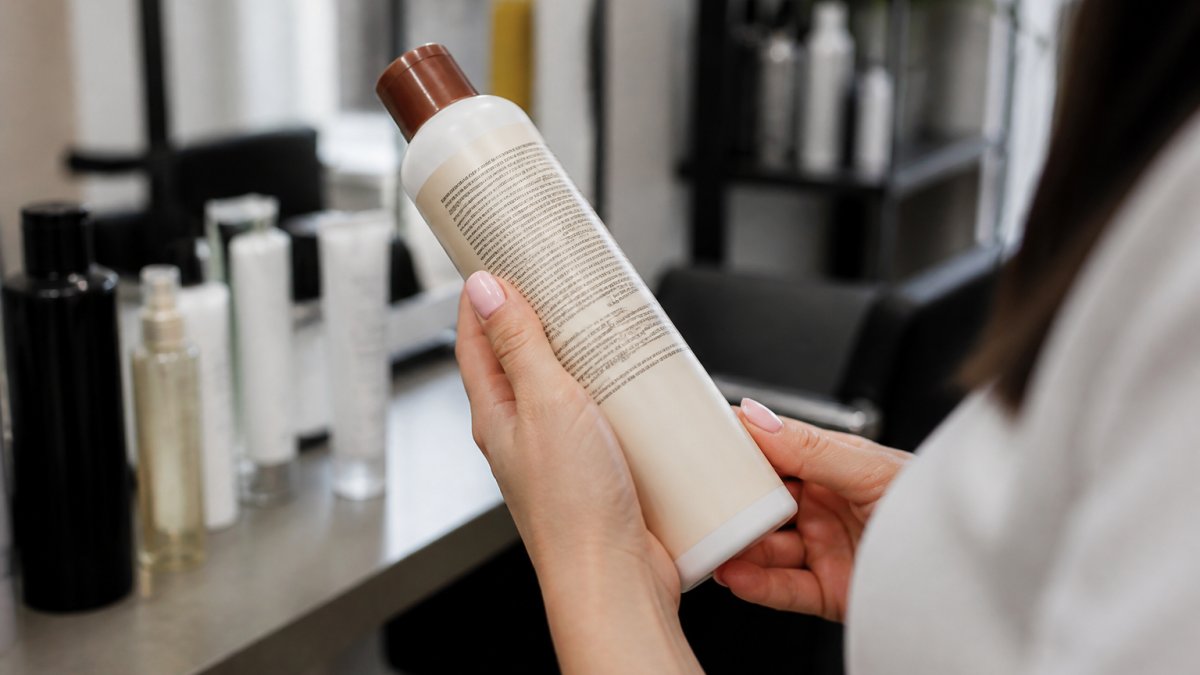
Learning how to read professional hair product labels starts with one habit: flipping the bottle over. The front label sells a promise. The back label tells you what you're actually putting on your hair. At Kerarganic Cosmetics, LLC, we tell stylists and clients the same thing, which is to trust the ingredient list before the marketing copy. The hair product ingredients list is the only part of the label held to a legal standard, and it's where the real story lives.
Order Matters: What Comes First
Ingredients appear in descending order by weight, until you reach the point where the formula drops below one percent. So the first five ingredients tell you most of what you need to know. If water leads the list, the product is water-based, which is normal for most shampoos and conditioners. If a conditioning agent or oil sits near the top, expect a richer formula. Anything listed after the preservative is usually present in tiny amounts, often just for label appeal.
Names You Will See and What They Mean
Ingredient names look intimidating, but most fall into a few families. Here's a quick translation:
- Water (Aqua) - the base of most liquid formulas
- Sodium laureth sulfate - a cleanser that creates lather
- Cocamidopropyl betaine - a milder cleanser, often paired with sulfates
- Dimethicone - a silicone that adds slip and shine
- Hydrolyzed keratin - protein that helps rebuild damaged strands
- Glycerin - a humectant that draws in moisture
- Phenoxyethanol - a common preservative
You don't need to memorize chemistry. You need to recognize the handful of names that decide how a product behaves.
Decode Hair Product Label Claims
Front-label claims are marketing, not science. Words like "natural," "botanical," and "nourishing" carry no legal definition, so any brand can print them. The hair product label claims that matter are the ones tied to a standard. "Formaldehyde-free" is meaningful because formaldehyde is a known concern in some smoothing treatments. "Sulfate-free" tells you the cleanser system changed. "Organic-based" should make you look for actual certified ingredients, not just the word on the front.
Our advice: read every claim as a question. What ingredient backs this up? If the answer isn't on the back label, treat the claim as decoration. The FTC guidelines on advertising claims require brands to be truthful, but they don't require proof on the bottle. That's your job.
Group Hair Product Ingredients by Function
Sorting hair product ingredients by function makes a long list readable. Nearly everything in a bottle does one of five jobs:
- Cleansers (sulfates, betaines) lift oil and buildup
- Conditioners (silicones, fatty alcohols) smooth the cuticle
- Proteins (keratin, silk amino acids) fill gaps in damaged hair
- Humectants (glycerin, panthenol) pull in and hold moisture
- Preservatives keep the formula safe over time
Once you can spot these groups, you can compare two products in seconds. A repair-focused formula leads with proteins and conditioning agents. A clarifying wash leads with cleansers and skips the heavy conditioners. That's the whole trick.
Match the Label to Your Hair Type
Choosing hair products for hair type starts with the label, not the shelf. Fine hair does best with lightweight formulas where silicones and heavy oils sit low on the list. Thick or coarse hair can handle richer conditioners near the top. Curly and textured hair usually needs more humectants and fewer stripping cleansers. Over-processed or frizzy hair benefits from protein and keratin high in the list, which is exactly how we build our own formulas at Kerarganic Cosmetics, LLC.
Spot Irritants and Red Flags on the Label
Some ingredients deserve a second look, especially for sensitive scalps. Strong fragrances, certain preservatives, and high concentrations of drying alcohols can cause irritation in some people. You'll often see alcohol denat near the top of fast-drying sprays, which can leave hair feeling dry over time. None of these are automatically bad, but they're worth noting if your scalp reacts easily.
The bigger red flag is a label that hides its ingredient list or buries key actives at the very end. A short, honest list beats a long, vague one every time.
Check Directions, Warnings, and Storage
The back panel also tells you how to use the product safely, and most people skip it. Directions matter because leave-in times and rinse steps affect results. Warnings matter because some formulas shouldn't touch broken skin or sit near the eyes. Storage guidance matters because heat and sunlight can break down actives, especially proteins and preservatives.
Here's a simple checklist we give every client:
- Read the full directions before first use
- Note any warning about sensitive skin or eyes
- Check the storage advice (cool, dry, out of direct sun)
- Look for a batch or expiration date
- Keep the cap sealed between uses
Follow those five steps and you'll get more from every bottle, and you'll know when a product has gone off.
Conclusion
Reading a hair product label is a skill, and like any skill it gets faster with practice. Start with the ingredient list, decode the claims, and match the formula to your hair. If you want products built around real keratin and clean, formaldehyde-free formulas, our team at Kerarganic Cosmetics, LLC can help. Our organic-based collections rebuild strength and tame frizz without harsh salts or sulfates. Get started with Kerarganic Cosmetics, LLC and read every label with confidence.
Frequently Asked Questions
How are ingredients listed on hair care products?
Ingredients appear in descending order by weight until the formula reaches 1%. After that, companies can list them in any order. The first five ingredients usually make up most of the formula, so pay close attention to what leads the hair product ingredients list. Water is often first, followed by surfactants, conditioning agents, and preservatives. Ingredients below 1% include fragrances, colors, and some active extracts, which is why a botanical extract near the end may be present in only a tiny amount.
What do hair product label claims like sulfate-free or color-safe actually mean?
Sulfate-free means the formula does not contain sulfates such as sodium lauryl sulfate or sodium laureth sulfate, which can strip color and moisture. Color-safe means the product is formulated to be gentle enough for color-treated hair, but it is not a regulated guarantee. Always check the hair product ingredients list to confirm what is inside, and treat hair product label claims as marketing until the ingredient panel backs them up. Look for gentle surfactants and conditioning agents if you color your hair.
How do you identify potentially irritating ingredients in hair products?
Scan the label for common irritants: fragrance, essential oils, alcohol denat, and preservatives like methylisothiazolinone. If you have a sensitive scalp, patch test before use. Also watch for formaldehyde-releasing preservatives such as DMDM hydantoin. Professional hair product labels must list these ingredients, so you can compare formulas. Choose fragrance-free or naturally preserved options if irritation is a concern, and follow the warnings on the label.
How can you tell if a hair product is right for your hair type?
Match the product's function to your hair's needs. For dry or over-processed hair, look for keratin, argan oil, or glycerin near the top of the hair product ingredients list. For fine hair, avoid heavy silicones and butters that can weigh hair down. For curly hair, choose sulfate-free cleansers and moisturizing conditioners. The label's directions and claims should align with your hair type, but the ingredient list is the most reliable guide. When choosing hair products for hair type, prioritize ingredients over front-label claims.