
Last Updated: October 29, 2026
Quick Summary
A professional hair care routine for color treated hair means washing two to three times a week with sulfate-free shampoo and cool water, masking once or twice weekly, and limiting heat, water, and UV exposure. Wait at least 48 hours after coloring before the first wash, and book a gloss or toner every four to six weeks.
- Wait at least 48 hours after a color appointment before the first wash to let the cuticle seal.
- Skip clarifying and detox shampoos unless removing hard-water buildup, because they strip dye.
- Alternate moisture and protein masks weekly during weeks 3 to 6 to prevent fading.
- Use a shower filter or chelating treatment once a month if you have hard water.
- The Color Care Guardian Collection Bundle includes shampoo, conditioner, mask, serum, and leave-in for $72.70.
Table of Contents
- Why Color-Treated Hair Needs a Professional Routine
- How Often to Wash Color-Treated Hair
- The Best Shampoo and Conditioner for Color-Treated Hair
- How to Prevent Hair Color from Fading
- Your Hair Care Routine After Coloring: A Week-by-Week Plan
- Heat Styling, Water Quality, and Sun Protection
- Build Your Color-Safe Routine with Kerarganic
- Frequently Asked Questions
Why Color-Treated Hair Needs a Professional Routine
Color-treated hair is hair that has undergone a chemical dye, bleach, or lightening process, which lifts the protective outer cuticle and leaves the strand more porous.
The market reflects that demand. Grand View Research's hair and scalp care market estimate puts the category at $93.6 billion in 2026, with projected growth of 7.0% a year through 2033.
Protecting the cuticle is the idea behind a color-care routine: protect the cuticle and the color follows. A professional hair care routine for color treated hair is not complicated.
How Often to Wash Color-Treated Hair
Wash color-treated hair two to three times a week. Every wash cycle swells the cuticle with water, and each swell-and-dry cycle lets a little more pigment leach out, so wash frequency is one of the main factors you control between appointments.
Naturtint USA's 2026 color-protection routine guidance recommends washing two to three times a week and using a quinoa hair mask once or twice weekly. That matches what we see in practice.
A few rules that matter more than the number:
- Wait at least 48 hours after a color appointment before the first wash. The cuticle needs time to seal.
- Rinse with cool or lukewarm water. Hot water swells the cuticle and speeds fading.
- Skip clarifying and detox shampoos unless you are removing hard-water buildup. They strip dye.
If you sweat heavily or live with hard water, stay at the three-wash end. Otherwise, stretch to two.
What the wash-frequency advice actually means
Most "wash less" guidance is directionally right but mechanically vague. Here is what is established versus what is folklore:
- Established: Wet hair is more porous than dry hair, and repeated wetting-and-drying cycles increase porosity over time, meaning faster pigment and moisture loss. Fewer, gentler washes slow that cycle.
- Established: Surfactants lift oil and dirt, but aggressive sulfate surfactants also lift deposited dye and strip the conditioning film that keeps the cuticle flat. A sulfate-free cleanser does the first job with less of the second.
- Common myth: "Cold water seals the cuticle permanently." A cool rinse temporarily flattens the cuticle and improves shine, but it does not re-seal dye into the strand. Treat it as a finishing step, not a color-lock treatment.
Adjusting the number to your situation
The two-to-three rule is a starting point. Adjust it with these concrete triggers:
| Situation | Wash frequency | Why |
|---|---|---|
| Fine or low-porosity hair | 2-3x per week | Oil shows faster at the roots |
| Thick, coarse, or high-porosity hair | 1-2x per week | Holds moisture longer; less mechanical stress |
| Heavy exerciser or sweaty scalp | 3x per week, gentle cleanser | Salt and sweat irritate the scalp; rinse-only days help |
| Hard water at home | 2-3x per week plus monthly chelating wash | Mineral film dulls color and blocks moisture |
| Fresh vivid or fashion shade | 1-2x per week for the first two weeks | Vivid dyes sit closer to the surface and fade fastest |
| Gray coverage | 2-3x per week | Gray-resistant formulas benefit from consistent, gentle cleansing |
The wash itself matters as much as the count. Dilute a small amount of sulfate-free shampoo in your hands, work it into the scalp only, and let the runoff clean the mid-lengths and ends. Scrubbing the ends directly is where most color loss happens.
The Best Shampoo and Conditioner for Color-Treated Hair
The best shampoo and conditioner for color-treated hair are sulfate-free formulas that cleanse gently and replace the moisture and protein that dyeing removes. Sulfates clean aggressively, and aggressive cleaning is the enemy of color retention.
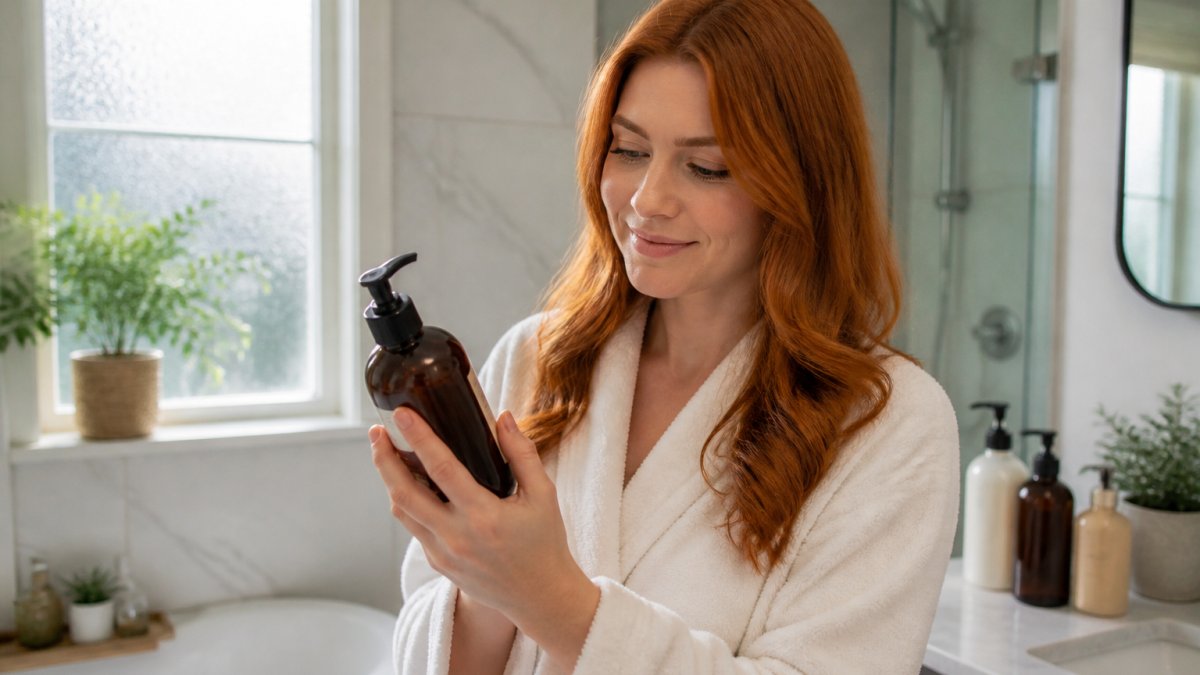
A dermatology review of hair cosmetic formulations and how they work confirms that shampoos, conditioners, and dyes each act differently on the hair shaft, which is why matching products to your hair's condition matters more than brand loyalty.
The Angel Touch Guardian Nourishing Color Shampoo is a sulfate-free formula with aloe vera leaf extract and argan kernel oil. Pair it with the Angel Touch Color Guardian Nourishing Hair Color Conditioner, which nourishes hair and helps control frizz.


How to Prevent Hair Color from Fading
Prevent color fading by limiting three things: heat, water exposure, and UV light. Those three cause most of the pigment loss between salon appointments.
The evidence points the same way. A 2026 Vogue review of hair-care trends lists bond-building treatments among the trends gaining real momentum, and that tracks with what damaged, color-treated hair actually needs: rebuilt protein structure, not more surface shine.
Practical steps that work:
- Add a weekly mask. The Angel Touch Color-Lock Mask contains hydrolyzed keratin and hydrolyzed soy protein, and its listing directs you to leave it on for at least 15 minutes.
- Rinse cool. A final 30-second cool rinse flattens the cuticle and locks in shine.
- Book a gloss or toner between appointments. A stylist can refresh tone without a full dye job.
Your Hair Care Routine After Coloring: A Week-by-Week Plan
A hair care routine after coloring should follow a fixed schedule for the first six weeks, when fading is fastest. Here is the plan we recommend.
| Timing | Wash | Treatment | Focus |
|---|---|---|---|
| Days 1-2 | No wash | None | Let cuticle seal |
| Week 1 | 2-3 washes | 1 mask | Gentle cleanse only |
| Weeks 2-3 | 2-3 washes | 1-2 masks | Moisture and protein |
| Weeks 4-6 | 2-3 washes | 2 masks | Bond repair, gloss check |
| Week 6-8 | Maintain | 2 masks | Trim and tone refresh |
Three habits carry the whole plan:
ANGEL TOUCH COLOR CARE GUARDIAN COLLECTION BUNDLE →
- Wash with sulfate-free shampoo and cool water.
- Mask once or twice a week, every week.
- Apply a leave-in or serum before any heat tool touches your hair.
The first 48-72 hours: what to do (and not do)
The first three days after a color service are when the cuticle is still settling and the dye is still binding. The routine here is mostly restraint:
- Do not wash. Wait at least 48 hours, and 72 if you can, before the first shampoo. This is the single highest-impact step in the entire schedule.
- Do not heat-style. Skip flat irons, curling irons, and hot blow-dryer passes for the first 48 hours. If you must dry, use the cool setting.
- Do not swim. Chlorine and saltwater penetrate a freshly opened cuticle faster than a settled one.
Weeks 1-2: gentle cleanse and first mask
Once past the 48-72 hour window, the goal is gentle cleansing and one deep-treatment session. Use your sulfate-free shampoo and conditioner, keep water lukewarm, and add a single weekly mask. Skip bond-repair treatments unless your stylist recommended one for damage, the cuticle is still stabilizing, and too many actives at once can leave hair feeling coated.
Weeks 3-6: moisture, protein, and the gloss check
This is where most fading happens and where most routines fall apart. Two changes matter:
- Alternate moisture and protein masks. One week use a moisture-focused mask, the next a protein or keratin mask. Alternating prevents the stiffness of over-proteining and the limpness of over-moisturizing.
- Book a gloss or toner at week 4-6. A stylist can refresh tone without a full dye job. For vivid and fashion shades, book closer to week 4; for permanent color and gray coverage, week 6 is usually fine.
Weeks 6-8: trim, tone, and reset
At the six-to-eight-week mark, book a trim and a tone refresh together. Split ends travel upward and dull the whole color, and a tone refresh resets the canvas before the next full appointment. This is also the right time to reassess wash frequency, if color still reads fresh at week eight, stretch washes; if it has faded noticeably, tighten the schedule.
Adjusting the plan by color service
The schedule above is the baseline. Adjust it for the service you actually had:
| Color service | Key adjustment |
|---|---|
| Permanent color | Baseline schedule works; prioritize the week 4-6 gloss |
| Highlights or balayage | Add a bond-repair treatment in weeks 2-4; lightened strands are the most porous |
| Vivid or fashion shades | Wash 1-2x per week for the first two weeks; book toner at week 4 |
| Gray coverage | Keep wash frequency steady at 2-3x per week; gray-resistant formulas respond to consistency |
| Chemically damaged or previously bleached hair | Start bond repair in week 1; alternate protein and moisture every week |
Hard water and swimming: the protocol most guides skip
If you have hard water or swim regularly, add these steps:
- Hard water: Use a shower filter or a chelating treatment once a month. Mineral film blocks moisture and dulls color, and no amount of masking fixes it until the film is removed.
- Chlorine and saltwater: Wet hair with fresh water and apply conditioner before swimming, then rinse immediately after. Chlorine and salt bind to porous hair fast; pre-wetting fills the strand so there is less room for them to attach.
- Post-swim: Use a gentle chelating or clarifying wash only on swim days, then follow with a moisture mask. Do not make clarifying part of your regular wash cycle.
A measurable maintenance schedule
Use these intervals as defaults and adjust based on how your color reads in daylight:
- Wash: 2-3x per week (1-2x for vivid shades in the first two weeks)
- Mask: 1-2x per week, every week
- Chelating treatment (hard water): once a month
If you find yourself needing a gloss every three weeks, tighten wash frequency or add UV protection rather than booking more appointments.
Heat Styling, Water Quality, and Sun Protection
Heat styling, hard water, chlorine, saltwater, and sun exposure all attack color-treated hair, and each needs a different defense. Skip any of them and your routine leaks results.
Start with heat. The Angel Touch Brilliance Serum is listed as acting as a heat protector and adding shine. For a deeper walkthrough, read our guide on how to protect hair from heat styling damage daily.
Then handle water:
- Hard water leaves mineral film that dulls color. Use a shower filter or a chelating treatment once a month.
- Chlorine and saltwater penetrate fast. Wet hair with fresh water and apply conditioner before swimming, then rinse immediately after.
- Sun exposure fades pigment. Wear a hat or use a UV-protective leave-in during long outdoor time.
BeautyMatter's 2026 haircare trend analysis names scalp biology and personalization as forces reshaping the category, and a healthy scalp supports healthier regrowth.
Build Your Color-Safe Routine with Kerarganic
A color-safe routine comes down to four product functions: gentle cleanse, condition, weekly deep treatment, and daily protection. Get those right and you do not need a shelf full of products.
That is exactly how we built our line. Browse the full Color Care range to assemble your routine in one place, or start with the Color Care Guardian Collection Bundle, which includes the shampoo, conditioner, mask, serum, and leave-in for $72.70.

Your color is an investment. Treat the maintenance the same way.
Frequently Asked Questions
How often should you wash color-treated hair?
Wash color-treated hair two to three times a week, . Daily washing strips the cuticle and speeds color fading. Between washes, use dry shampoo at the roots to absorb oil. If you sweat heavily or live in a humid climate, a cool-water rinse on off days helps refresh hair without stripping color. Always use a sulfate-free shampoo to keep color-treated hair care gentle.
What is the best shampoo and conditioner for color-treated hair?
Look for sulfate-free formulas that cleanse without stripping dye. The Angel Touch Guardian Nourishing Color Shampoo ($16.70) uses aloe vera leaf extract and argan kernel oil to nourish while protecting color. Pair it with the Angel Touch Color Guardian Nourishing Conditioner ($16.70), which repairs chemical and environmental damage. For a complete color-treated hair care set, the Color Care Guardian Collection Bundle ($72.70) includes shampoo, conditioner, mask, serum, and leave-in.
How can you keep hair color from fading?
Prevent hair color from fading by washing less often, using sulfate-free products, and rinsing with cool water. UV exposure and heat styling also break down dye molecules. Book a gloss or toner between salon appointments to refresh vibrancy.
Should you use a deep conditioner on color-treated hair?
Yes. Color-treated hair is more porous and loses moisture faster. Use a deep-conditioning mask once or twice a week. The Angel Touch Color-Lock Mask Hair Masque ($20.40) contains hydrolyzed keratin and soy protein . Apply to wet hair, comb through, cover with a shower cap for 15 minutes, then rinse. For extra penetration, use a thermal cap or overhead dryer.
Fading color, frizz, and dryness rarely fix themselves between appointments. Kerarganic Cosmetics, LLC makes formaldehyde-free, keratin-infused products that rebuild strength and extend salon results at home, with sulfate-free formulas that cleanse gently and a bond-supporting mask that refills what coloring strips out. Get started with Kerarganic Cosmetics, LLC and keep your color vibrant for the full stretch between visits.
