
Table of Contents
- What Is a Keratin Treatment and How It Works
- The Role of Formaldehyde in Hair Smoothing
- Formaldehyde-Free Keratin Treatment Options
- Keratin Treatment Side Effects and Health Hazards
- FDA Hair Smoothing Regulations and Safety Warnings
- Who Is Most at Risk and Disparities in Exposure
- Salon Safety Protocols and Post-Exposure Mitigation
- Ingredient Label Literacy and Identifying Dangerous Products
- Frequently Asked Questions
Last Updated: September 1, 2026
What Is a Keratin Treatment and How It Works
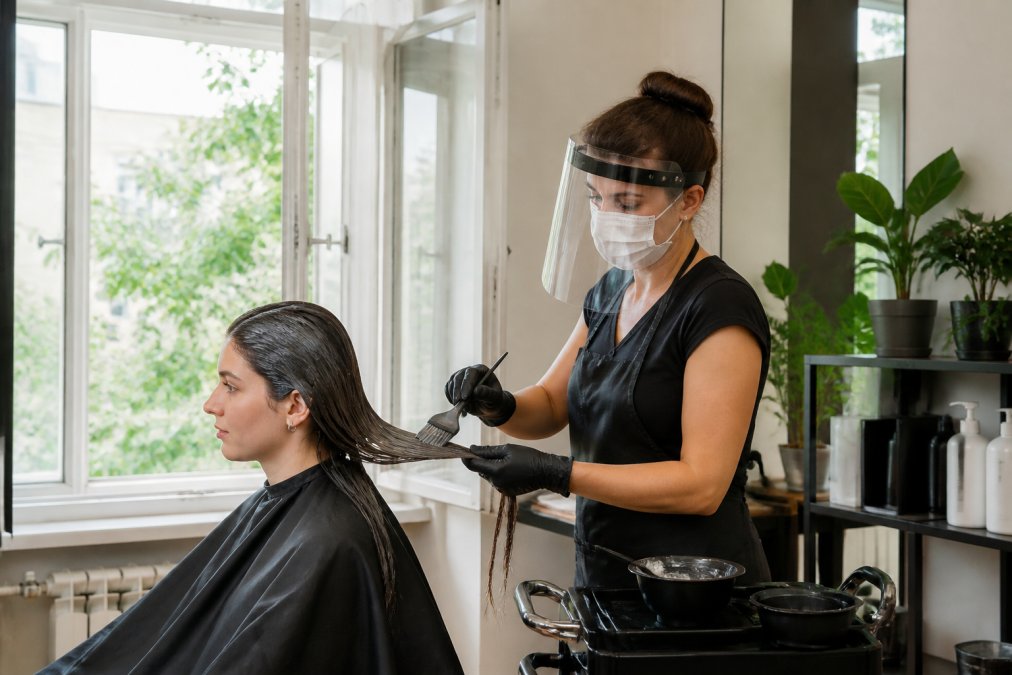
A keratin treatment infuses keratin protein into hair strands to smooth the cuticle, reduce frizz, and create a sleeker appearance. The process involves three steps: cleansing with clarifying shampoo, applying the keratin formula, and heat-sealing with a flat iron at 350-450°F. After application, hair requires a 48-72 hour waiting period before washing to allow the keratin to bond fully. Results typically last 2-6 months depending on the product and wash frequency.
Keratin treatments transform damaged or frizzy hair into smooth, glossy strands without permanent chemical alteration. However, the smoothing effect comes with a trade-off: formaldehyde or formaldehyde-releasing compounds can pose health risks during and after application.

The Role of Formaldehyde in Hair Smoothing
Formaldehyde acts as a cross-linking agent that bonds keratin protein to the hair shaft. When heated during the flat-iron sealing step, it creates a chemical reaction that hardens the keratin coating and locks it into place, delivering dramatic and long-lasting results.
The problem is that formaldehyde easily evaporates into the air, especially when heated. During application, the salon environment can become saturated with formaldehyde fumes. Stylists applying multiple treatments daily face cumulative exposure, triggering respiratory irritation, headaches, dizziness, and other acute symptoms.
Formaldehyde is classified as a carcinogen by the International Agency for Research on Cancer (IARC) and has been linked to increased nasopharyngeal cancer and leukemia risk in occupational settings with chronic exposure (iarc.who.int). The U.S. Occupational Safety and Health Administration (OSHA) has established workplace exposure limits, recognizing that prolonged inhalation poses serious health risks (osha.gov). Many salons using traditional formaldehyde-based treatments lack adequate ventilation, allowing fumes to accumulate to dangerous levels.
Some manufacturers use methylene glycol, which is technically formaldehyde in a different chemical form. When heated, methylene glycol converts back into formaldehyde gas, delivering the same results but allowing manufacturers to claim their products are "formaldehyde-free." This labeling practice is misleading because actual exposure risk remains the same.
Formaldehyde-Free Keratin Treatment Options
Demand for safer keratin treatments has led to genuinely formaldehyde-free alternatives using plant-based proteins, amino acids, and natural oils to coat and strengthen hair without formaldehyde chemistry. While results aren't always as dramatic as traditional treatments, they eliminate the primary chemical exposure risk.
Formaldehyde-free keratin treatments use ingredients like hydrolyzed wheat protein, collagen, argan oil, and botanical extracts to create a protective coating. Some formulations include silicones or polymers that provide smoothing and shine without chemical cross-linking. Results are typically more modest, 40-60% frizz reduction rather than 80-90%, but the safety profile is significantly improved.
At Kerarganic Cosmetics, LLC, we've developed formaldehyde-free keratin treatments using organic-certified ingredients and natural protein sources. Our Organic Keratin System includes 24kt gold nanoparticles to intensify shine, combined with argan oil and essential amino acids that rebuild hair strength. The formulation works with heat activation like traditional treatments, but without releasing harmful fumes.

The trade-off is that formaldehyde-free options typically require more frequent applications, every 6-8 weeks instead of every 12-16 weeks, and work best on hair in relatively good condition. However, if you're concerned about chemical exposure or have respiratory sensitivity, formaldehyde-free keratin treatment is a much safer choice that still delivers visible smoothing and shine benefits.
Keratin Treatment Side Effects and Health Hazards
Keratin treatment side effects range from mild, short-term discomfort to serious long-term health concerns. Commonly reported acute side effects include respiratory irritation, eye irritation, headaches, dizziness, and nausea, typically appearing within hours and subsiding within days. More severe reactions and chronic health risks are possible with repeated exposure or in poorly ventilated environments.
Respiratory Irritation and Chemical Exposure
Respiratory irritation is the most common side effect, especially for stylists applying treatments regularly. Formaldehyde irritates mucous membranes in the nose, throat, and lungs, triggering coughing, wheezing, shortness of breath, and chest tightness. People with asthma or respiratory conditions face higher risk for severe reactions.
Severity depends on fume concentration and exposure duration. A client in a poorly ventilated salon might experience mild throat irritation; a stylist applying 4-6 treatments daily without proper ventilation could develop chronic respiratory symptoms, including persistent cough, reduced lung function, and increased respiratory infection susceptibility.
Adequate ventilation is critical. Salons should have dedicated exhaust systems pulling fumes away from stylist and client, combined with fresh air intake. OSHA recommends mechanical ventilation providing at least 6 air changes per hour in salon treatment areas (osha.gov). Many independent salons and home settings don't meet these standards, resulting in significantly higher exposure levels.
Skin Reactions and Sensitization
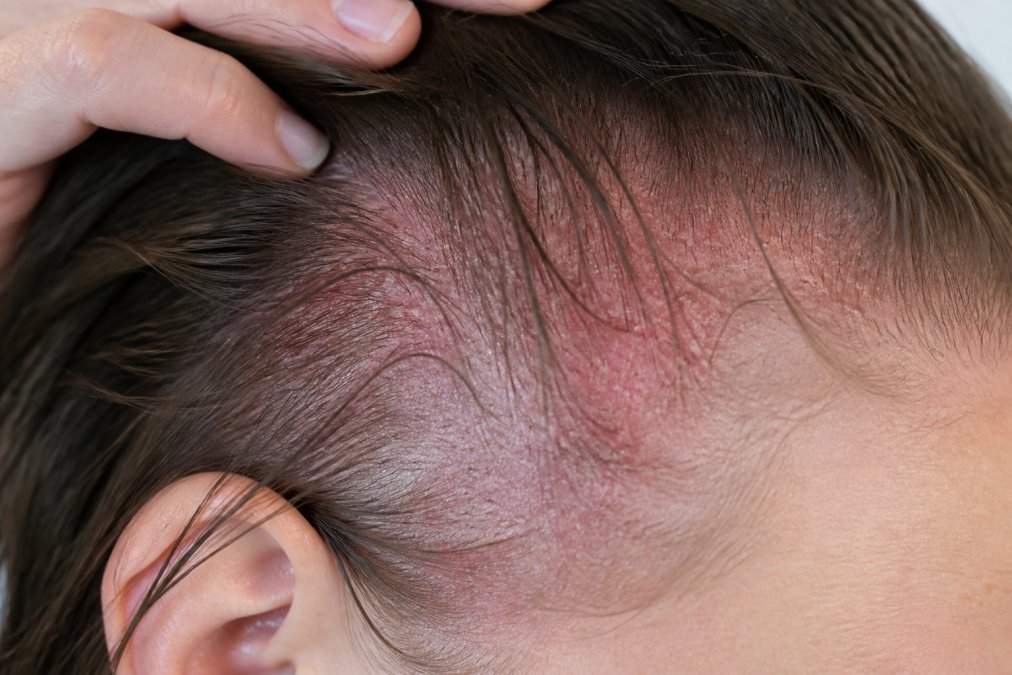
Keratin treatment products can trigger skin reactions from mild irritation to severe allergic dermatitis. Formaldehyde and other chemicals irritate the scalp, cause contact dermatitis on the face or neck, and trigger allergic reactions in sensitized individuals. Symptoms include redness, itching, burning, swelling, and in severe cases, blistering.
Sensitization is a particular concern with repeated exposure. The first treatment might cause no reaction, but with subsequent treatments, the immune system becomes increasingly sensitized to chemical allergens. By the third or fourth treatment, someone might develop a significant allergic reaction that didn't occur before.
People with sensitive skin, eczema, psoriasis, or pre-existing skin conditions face higher reaction risk. Anyone with known formaldehyde sensitivity should avoid formaldehyde-containing keratin treatments. If you've reacted to other chemical hair treatments, nail polish, or cosmetics, you're more likely to react to keratin treatments.
Long-Term Health Risks and Cancer Links
The most serious concern is long-term health effects, particularly cancer risk. Formaldehyde is a known carcinogen, and occupational studies document increased nasopharyngeal cancer and leukemia rates in workers with chronic exposure. While individual risk remains relatively low, evidence clearly shows formaldehyde exposure increases cancer risk with cumulative exposure. preventing heat damage.
For salon professionals applying keratin treatments regularly, cumulative exposure over a career is significant. A stylist applying 5-10 treatments weekly for 10-20 years accumulates thousands of hours of formaldehyde exposure, potentially increasing cancer risk. Risk is highest in poorly ventilated spaces.
For clients receiving occasional treatments (once or twice yearly), cancer risk is much lower than for professional stylists, but not zero. Risk increases with treatment frequency. Someone getting treatments every 3 months accumulates more exposure than someone getting one yearly. People with genetic predispositions or other cancer risk factors might face higher risk from formaldehyde exposure.
FDA Hair Smoothing Regulations and Safety Warnings
The FDA has issued multiple warnings about formaldehyde-containing hair smoothing products. In 2015, the FDA strengthened warnings noting that these products release formaldehyde gas during application and exposure causes respiratory irritation, asthma, and other health effects. The agency has also warned that some manufacturers mislabel products as "formaldehyde-free" when they contain formaldehyde-releasing compounds like methylene glycol.
However, FDA regulatory authority is limited. These products are classified as cosmetics rather than drugs, facing less stringent safety testing than pharmaceuticals. Manufacturers aren't required to prove safety before marketing; the FDA can only act after a product is on the market if evidence emerges of unsafety. Many formaldehyde-containing keratin treatments remain legal despite documented health risks.
Several states have implemented their own regulations. California requires warning labels on products containing formaldehyde above certain thresholds. Some states have proposed or passed legislation banning or restricting formaldehyde in hair smoothing products.
The safest approach is choosing formaldehyde-free keratin treatments. Look for products explicitly stating "formaldehyde-free" and verify the ingredient list excludes methylene glycol, glyoxal, or other formaldehyde-releasing compounds. Products using plant-based proteins and natural oils are generally safer than those relying on synthetic chemical cross-linking.
Who Is Most at Risk and Disparities in Exposure
Salon professionals, particularly those in independent salons without strong ventilation, face the highest occupational exposure. Women comprise the vast majority of salon workers, bearing a disproportionate burden of formaldehyde exposure.
Pregnant women and those planning pregnancy should be especially cautious. Formaldehyde exposure during pregnancy has been associated with adverse reproductive outcomes, and the developing fetus may be more vulnerable to chemical exposure. Many obstetricians recommend avoiding formaldehyde-containing products during pregnancy.
People with asthma, allergies, or respiratory or skin conditions face higher reaction risk. Genetic variations in formaldehyde metabolism are distributed unevenly across racial and ethnic groups, meaning some populations face higher risk than others.
Socioeconomic disparities also play a role. Salon professionals in lower-income areas often lack resources for safety equipment and ventilation compared to affluent salons. Workers and clients in lower-income communities may face higher exposure due to workplace safety infrastructure differences. Additionally, culturally specific beauty practices in some communities may involve more frequent chemical hair treatments, leading to higher cumulative exposure.
Salon Safety Protocols and Post-Exposure Mitigation
Choose a salon with visible ventilation systems, you should see exhaust fans or ductwork designed to pull fumes away. Ask directly about their ventilation system and air changes per hour. A well-ventilated salon should have noticeable air flow during application.
Request that your stylist use formaldehyde-free keratin treatment if possible. If the salon only offers formaldehyde-containing products, ask whether they can apply treatment outdoors or near an open window. If you experience respiratory irritation, headache, or eye irritation during treatment, ask your stylist to increase ventilation or take a break.
For post-exposure mitigation, avoid prolonged exposure to treated hair for 48-72 hours, the period when formaldehyde release is highest. Wash your hair thoroughly with gentle shampoo to remove residual product. If you experience persistent respiratory symptoms, see a doctor, particularly if you have asthma.
For at-home application, ventilation is critical. Open all windows to maximize air circulation. Consider using a portable fan to direct fumes toward the window. Wear disposable gloves and avoid touching your face or eyes. If possible, have someone else apply the treatment so you can position yourself away from fumes.
Ingredient Label Literacy and Identifying Dangerous Products
Learning to read ingredient labels is essential for identifying safe keratin treatments. Ingredients are listed in descending order by concentration. Look for these red flags:
- Formaldehyde listed directly on the label
- Methylene glycol, a formaldehyde precursor that releases formaldehyde when heated
- Glyoxal, another formaldehyde-releasing compound
- Formalin, a formaldehyde solution
- Quaternium-15, a formaldehyde-releasing preservative
If any appear in the first 10 ingredients, the product will release formaldehyde gas during heat activation.
Instead, look for these safer ingredients:
- Hydrolyzed keratin or hydrolyzed protein
- Argan oil
- Amino acids
- Plant-based proteins like wheat or rice protein
- Natural oils such as coconut or jojoba oil
Kerarganic Cosmetics, LLC's Organic Keratin System uses organic-certified ingredients including argan oil, amino acids, and natural protein sources, delivering professional smoothing results without formaldehyde. Our DIY Organic Keratin Set provides everything needed for at-home application with clear safety instructions.
Be skeptical of products marketed as "natural" or "organic" without transparent ingredient lists. Legitimate brands are transparent about formulations because they're confident in safety and efficacy.
Keratin treatments deliver dramatic hair transformation, but formaldehyde exposure health risks are real and well-documented. The good news is formaldehyde-free alternatives now exist providing professional-quality results without chemical hazards. Prioritize safety by choosing formaldehyde-free products, seeking salons with proper ventilation, and understanding product ingredients. Kerarganic Cosmetics, LLC's formaldehyde-free keratin treatments deliver smoothing, shine, and frizz-reduction benefits while protecting respiratory health and long-term wellness. Explore our ORGANIC KERATIN SYSTEM - STEP 2 - FORMALDEHYDE FREE or DIY Organic Keratin Set to experience professional results with complete confidence in safety.
Frequently Asked Questions
Q: What are the common side effects of professional keratin treatments?
A: Common side effects include respiratory irritation, headaches, dizziness, eye irritation, and skin reactions like dermatitis or allergic sensitization. Respiratory effects occur when formaldehyde or volatile organic compounds are released during application, particularly when heat activates chemical release. Skin irritation typically manifests as redness or itching at the scalp or hairline. Severity varies based on product formulation, ventilation, and individual sensitivity. Formaldehyde-free keratin treatment options significantly reduce these risks.
Q: Do all keratin treatments contain formaldehyde?
A: No. Many modern formulations are formaldehyde-free, using alternative smoothing agents like methylene glycol or plant-based extracts. However, some traditional keratin treatments and Brazilian blowout products still contain formaldehyde or release it during thermal activation. Always check product labels and ask your salon about formulation. Kerarganic's Organic Keratin System is formaldehyde-free and uses organic certified ingredients with argan oil for safer, effective results without chemical exposure risks.
Q: How does the FDA regulate hair smoothing products?
A: The FDA classifies hair smoothing products as cosmetics or drugs depending on their claims and ingredients. Formaldehyde-containing products must comply with labeling requirements and safety standards. The FDA has issued warnings about formaldehyde exposure in salon settings, particularly regarding respiratory hazards and potential carcinogenic effects. Products making drug claims (treating disease or preventing hair loss) face stricter regulation. Manufacturers must ensure safety data supports their formulations, though pre-market approval is not required for cosmetics.
Q: How many times a year is it safe to get a keratin treatment?
A: Frequency depends on hair condition and formulation safety. For traditional formaldehyde-containing treatments, limiting exposure to 2-3 times annually reduces cumulative chemical exposure risk. Formaldehyde-free keratin treatments are gentler and can be applied more frequently, typically every 6-8 weeks for maintenance, or 4-6 times yearly. Professional stylists should assess individual hair health and chemical exposure history. Those with respiratory conditions, asthma, or prior sensitization should consult healthcare providers before any keratin treatment.
Q: What should I look for on product labels to identify safer keratin treatments?
A: Look for explicit 'formaldehyde-free' labeling and check the ingredient list for methylene glycol or formaldehyde, which indicate chemical release risk. Safer products feature organic certified ingredients, natural oils like argan oil, and amino acids that nourish hair without harsh chemicals. Avoid vague claims like 'naturally derived', verify third-party testing or certifications. Kerarganic's Organic Keratin System lists organic ingredients transparently and includes 24kt gold nanoparticles for enhanced results without formaldehyde or volatile organic compounds.
Q: What long-term health risks are associated with keratin treatment exposure?
A: Prolonged formaldehyde exposure from repeated keratin treatments has been linked to increased risk of leukemia in occupational studies of salon professionals. Chronic respiratory irritation can trigger or worsen asthma and allergic reactions. Sensitization may develop over time, making individuals increasingly reactive to chemical exposure. Risk is significantly higher for salon workers with frequent, unprotected exposure than for occasional clients. Using formaldehyde-free treatments and ensuring proper ventilation substantially reduces long-term health risks.
Q: What should a salon do to protect clients and staff during keratin treatment application?
A: Proper salon safety protocols include adequate ventilation with open windows or exhaust systems, use of respiratory protection (masks rated for volatile organic compounds), and limiting client and stylist exposure time. Staff should wear gloves and protective clothing to prevent skin contact. Applications should occur in well-ventilated areas away from other clients. Post-application, clients should avoid heat styling for 48-72 hours to minimize fume release. Salons should maintain Material Safety Data Sheets for all products and train staff on chemical hazards. Using formaldehyde-free products eliminates the most significant exposure risk.
This article was written using GrandRanker