
Table of Contents
- What Causes Frizzy Dry Hair
- How Anti-Frizz Treatments Work for Dry Hair
- Best Ingredients for Frizzy Dry Hair
- How to Fix Brittle Hair at Home
- How Long Do Anti-Frizz Treatments Last
- Professional Salon Treatments vs At-Home Solutions
- Maintaining Results Between Treatments
- Frequently Asked Questions
Last Updated: September 26, 2026
What Causes Frizzy Dry Hair
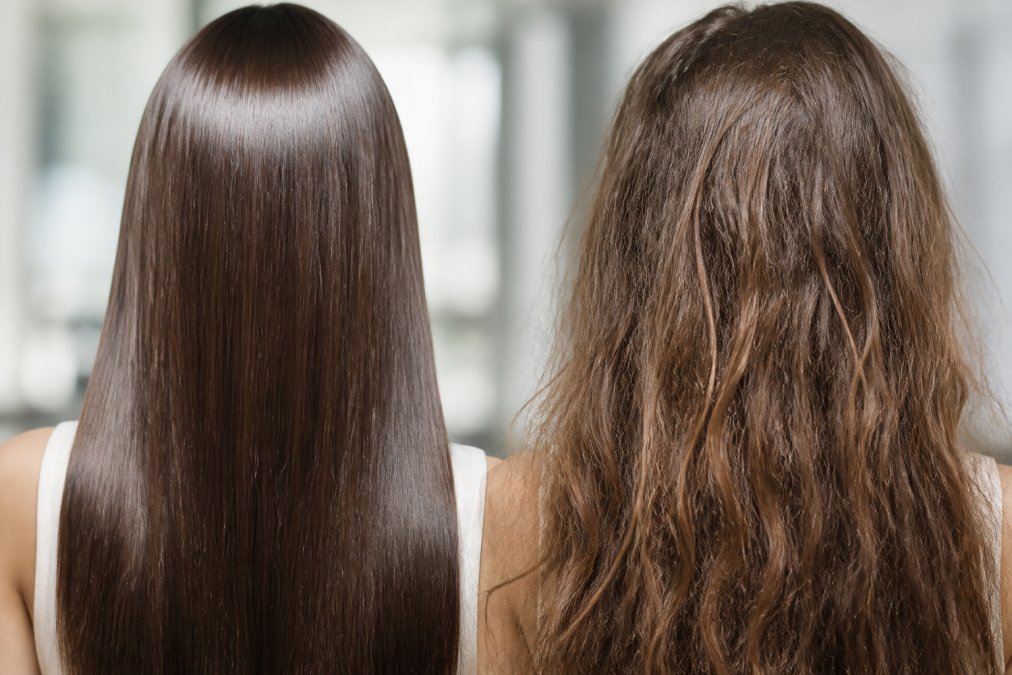
Frizzy dry hair happens when your hair loses moisture and the cuticles lift away from the hair shaft. Think of your hair cuticles like roof shingles. When they lie flat and sealed, light bounces smoothly across the surface, creating shine. When they're raised and rough, light scatters in all directions, making hair look dull and frizzy.
Dry hair is especially prone to frizz because it lacks the moisture barrier that keeps cuticles sealed. This moisture barrier is made of natural oils and water that protect the innermost layers of your hair. Without it, your hair absorbs moisture from humid air, causing the cuticles to swell and lift. The result is frizz, flyaways, and that unmanageable texture.
Several factors make this worse:
- Low humidity resistance, Your hair can't repel moisture from the environment
- Damaged cuticles, Chemical treatments, heat styling, and harsh products break down the protective layer
- Loss of natural oils, Sulfates and salt strip away the lipids that seal moisture in
- High porosity, Damaged hair absorbs water too quickly and loses it just as fast
- Environmental stress, Sun exposure, pollution, and hard water all damage the cuticle layer
When you combine heat damage with chemical processing, your hair becomes extremely vulnerable to frizz because the cuticle alignment is already compromised.
How Anti-Frizz Treatments Work for Dry Hair
Anti-frizz treatments work by sealing the hair cuticle and restoring the moisture barrier that dry hair has lost. Rather than just coating the surface, effective treatments penetrate the hair shaft to repair damage from within while creating a protective shield on the outside.
Sealing the Hair Cuticle
The first job of an anti-frizz treatment is to flatten and seal the cuticle layer. When cuticles lie flat against the hair shaft, they create a smooth surface that reflects light and resists moisture absorption. This is why treated hair looks shinier and feels smoother.
Products that seal the cuticle typically use silicones, oils, or polymer technology to create this barrier. The FIBERPLASTY BIOLAMINATING ANTI-FRIZZ SERUM from Kerarganic Cosmetics, LLC uses plant-based ceramides and natural oils like macadamia and sunflower seed oil to laminate the hair fiber. These ingredients bond to the cuticle surface, aligning the layers and preventing humidity from penetrating.

Sealing the cuticle does more than improve appearance:
- Reduces frizz and flyaways dramatically
- Increases shine by allowing light to reflect uniformly
- Protects against environmental moisture and humidity
- Creates a hydrophobic barrier that repels water
- Minimizes damage from blow drying and heat styling
The key is that this seal must be strong enough to last through multiple washes but flexible enough not to weigh hair down or create buildup.
Restoring the Moisture Barrier
The second mechanism is restoring the moisture barrier inside the hair shaft. Dry hair has lost the natural lipids and hydration that keep it healthy. Anti-frizz treatments replenish these through deep conditioning agents and hydrating proteins.
When the internal moisture barrier is restored, your hair can hold hydration without absorbing excess water from humid air. This prevents the cuticle from swelling and lifting. The treatment fills in gaps in the hair fiber where damage has occurred, strengthening the structure from within.
Products like the KERAR-PLEX STEP 2 - GEL BOND & HAIR FIBER RECONSTRUCTOR work at this level. They replenish keratin and vital nutrients that bleach, heat, and chemical treatments have stripped away. By reinforcing the bonds between protein chains in the hair, these treatments restore elasticity and reduce breakage.
Restoring internal moisture means:
- Hair holds hydration longer between washes
- Elasticity improves, reducing split ends
- The hair fiber becomes stronger and more resilient
- Color-treated hair stays vibrant longer
- Frizz reduction lasts through multiple wash cycles
This is why professional treatments often include multiple steps. You need both cuticle sealing on the outside and structural repair on the inside for lasting results.
Best Ingredients for Frizzy Dry Hair
Not all anti-frizz products are created equal. The ingredients matter because they determine whether the treatment actually repairs damage or just temporarily masks it.
Natural oils are the foundation of effective anti-frizz treatments. Macadamia oil, argan oil, coconut oil, and sunflower seed oil penetrate the hair shaft and restore the lipid layer. These oils provide both immediate smoothness and long-term hydration. They're also lightweight, so they don't leave hair feeling greasy or heavy.
Hydrolyzed keratin is the protein that rebuilds damaged hair structure. When keratin is hydrolyzed (broken into smaller molecules), it can penetrate deep into the hair fiber and bond with damaged areas. This restores strength and elasticity. Look for products that specify hydrolyzed keratin rather than just "keratin" on the label.

Ceramides seal moisture into the hair and protect against environmental damage. Plant-based ceramides mimic the natural lipids your hair has lost. They work on the cuticle surface to keep moisture locked in and humidity locked out.
FIBERPLASTY BIOLAMINATING ANTI-FRIZZ →
Amino acids support protein structure and strengthen the hair fiber. They're especially important if your hair has been bleached or chemically processed. Amino acids help rebuild the bonds between protein chains that damage has broken.
Antioxidants like vitamin E and green tea extract protect hair from ongoing damage. They neutralize free radicals from sun exposure, pollution, and heat styling. This slows down the aging process of your hair and extends the life of treatments.
Avoid products with:
- Sulfates (strip natural oils and cause frizz)
- Parabens (can damage the hair fiber over time)
- Formaldehyde (harmful and unnecessary for smoothing)
- Heavy silicones that build up and weigh hair down
How to Fix Brittle Hair at Home
Brittle hair is the advanced stage of dry hair damage. It breaks easily, feels rough, and resists styling. The good news is that you can reverse a lot of this damage with consistent at-home care.
Start with a sulfate-free shampoo and conditioner. Sulfates strip natural oils and make dryness worse. The XTREME REPAIR RESTORATIVE SHAMPOO from Kerarganic Cosmetics, LLC is formulated without sulfates or salt, so it cleanses gently while preserving moisture and color.
Use a deep conditioning mask once or twice weekly. Apply it to damp hair, leave it on for 5-10 minutes, and rinse thoroughly. This gives your hair time to absorb hydrating ingredients and repair proteins. The XTREME REPAIR RESTORATIVE MASK restores and strengthens with keratin amino acids and proteins that seal moisture and prevent frizz.
Apply a leave-in serum or oil to damp hair before styling. This creates a protective layer that shields hair from heat damage and humidity. The FIBERPLASTY BIOLAMINATING ANTI-FRIZZ SERUM works as both a styling product and a treatment, providing immediate frizz control while repairing the cuticle.

Limit heat styling to 2-3 times per week. When you do use heat, always apply a heat protectant first. High temperatures accelerate damage and make brittle hair worse. If possible, air dry or use lower heat settings.
Trim your ends every 6-8 weeks. Brittle hair splits easily, and split ends travel up the hair shaft, making more hair brittle. Regular trims stop this progression and make your hair look healthier immediately.
How Long Do Anti-Frizz Treatments Last
The duration of anti-frizz treatments depends on the type of treatment and how you care for your hair afterward.
At-home treatments typically last 2-4 weeks before you need to reapply. Serums and oils wash out gradually with each shampoo. Deep conditioning masks penetrate the hair but gradually lose effectiveness as natural oils return and new growth emerges. If you use sulfate-free products and minimize heat styling, results last closer to 4 weeks.
Professional Salon Treatments vs At-Home Solutions
Professional treatments and at-home products serve different purposes, and the best approach often combines both.
Consider your hair type and damage level:
- Severely damaged hair, Start with a professional treatment, then maintain with at-home products
- Moderately damaged hair, Use quality at-home products consistently and get a professional treatment annually
- Mildly damaged hair, At-home products alone may be sufficient if you use them regularly
Maintaining Results Between Treatments
How long your anti-frizz treatment lasts depends mostly on how you care for your hair after treatment.
| Maintenance Task | Frequency | Impact on Results |
|---|---|---|
| Wash with sulfate-free shampoo | Every wash | Essential for preserving treatment |
| Use lukewarm water | Every wash | Prevents premature fading |
| Deep condition | Weekly | Extends treatment life 2-3 weeks |
| Limit heat styling | 2-3 times weekly | Protects cuticle integrity |
| Apply heat protectant | Before every heat use | Reduces damage acceleration |
| Trim ends | Every 6-8 weeks | Prevents split ends from spreading |
| Sleep on silk pillowcase | Nightly | Reduces frizz and friction damage |
Frequently Asked Questions
What causes hair to become frizzy when it is dry?
Dry hair frizzes when the hair cuticle lifts and becomes misaligned, allowing moisture to escape and humidity to penetrate the hair shaft. This happens when the moisture barrier, the protective layer of oils and lipids on the hair surface, breaks down due to heat damage, chemical treatments, or lack of hydration. When the cuticle is open, water molecules from humid air enter the hair fiber, causing it to swell unevenly and creating the frizzy appearance.
How do anti-frizz treatments actually repair dry hair?
Anti-frizz treatments work by sealing the hair cuticle and restoring the moisture barrier through conditioning agents, oils, and polymers. Products like FIBERPLASTY BIOLAMINATING ANTI-FRIZZ SERUM contain plant-based ceramides and natural oils such as macadamia and safflower seed oil that laminate the hair fiber surface, keeping cuticles aligned. These treatments also replenish lost lipids and hydration, reducing porosity so the hair shaft retains moisture instead of absorbing excess humidity.
What are the best ingredients for frizzy dry hair?
Look for hydrolyzed keratin, which penetrates the hair shaft to rebuild strength from within; natural oils like argan, coconut, and macadamia oil that restore the moisture barrier; plant-based ceramides that seal cuticles; and conditioning agents that enhance elasticity. Amino acids and proteins reinforce the hair fiber structure, while UV protectants shield against environmental damage. Avoid products with sulfates and salts, which strip moisture and worsen frizz.
How long do anti-frizz treatments typically last on dry hair?
Most at-home anti-frizz treatments last 2-4 weeks with regular use, depending on your hair porosity, styling habits, and environmental exposure. Professional salon treatments can extend results to 6-12 weeks. To maintain results, use sulfate-free shampoos, apply serums before heat styling, and reapply treatments weekly. Factors like humidity, heat damage, and how often you wash affect longevity, frequent washing and high humidity exposure shorten the duration.