
Table of Contents
- Why Sulfate-Free Shampoo Is Non-Negotiable for Keratin-Treated Hair
- Shampoo Ingredients to Avoid After Keratin Treatments
-
Best Sulfate-Free Shampoos for Keratin Hair: Top Picks Compared
- Kerarganic: Professional-Grade, Salt-Free Keratin Maintenance
- Biolage Advanced Keratindose: Best for Over-Processed Hair
- Olaplex No. 4: Best for Bond Repair Alongside Keratin Maintenance
- Moroccanoil Hydrating Shampoo: Best for Moisture-Deprived Hair
- Hask Keratin Protein Smoothing Shampoo: Best Budget Pick
- Stefan's Professional Salt & Sulfate-Free: Best for All Textures
- Dip Sulfate-Free Shampoo Bar: Best Eco-Friendly Option
- Keratin Treatment Aftercare: How to Wash and Maintain Results
- How Long Does a Keratin Treatment Last, and What Shortens It
- Troubleshooting Common Post-Treatment Hair Issues
- Choosing the Right Sulfate-Free Shampoo for Your Hair Type
- Conclusion
Last Updated: August 13, 2026
Choosing the best sulfate free shampoo for keratin treated hair is one of the most consequential decisions after leaving the salon chair. At Kerarganic Cosmetics, LLC, we've seen $200-$400 keratin treatments dissolve in three weeks because clients reached for the wrong shampoo. The chemistry is unforgiving: wrong surfactants break keratin bonds at the molecular level. Below, we've tested and ranked the top sulfate-free options, explained which ingredients to avoid, and covered the aftercare habits that determine whether results last two months or six.
Quick Picks:
- Best Overall: Kerarganic Salt & Sulfate-Free Shampoo, professional-grade, formaldehyde-free, works on all textures
- Best for Over-Processed Hair: Biolage Advanced Keratindose, Pro-Keratin and silk for fragile strands
- Best for Bond Repair: Olaplex No. 4, patented bond-building technology alongside keratin maintenance
- Best Budget Pick: Hask Keratin Protein Smoothing Shampoo, clean formula under $10
- Best Eco-Friendly Option: Dip Sulfate-Free Shampoo Bar, plastic-free, pH-balanced, keratin-safe
Why Sulfate-Free Shampoo Is Non-Negotiable for Keratin-Treated Hair
Sulfates are anionic surfactants that aggressively strip the lipid barrier surrounding each hair shaft, removing the keratin bonds your treatment deposited. Standard shampoos rely on sodium lauryl sulfate or sodium laureth sulfate to generate lather, but these surfactants swell the hair cuticle, disrupt the pH-balanced environment that keeps keratin sealed, and accelerate fading of smoothing results.
When properly sealed after a keratin treatment, the hair cuticle lies flat, creating shine, reducing frizz, and improving detangling. Sulfates force those cuticle scales open with every wash. Over repeated exposure, keratin proteins leach out, texture returns, and frizz reduction disappears. For color-safe maintenance, this matters doubly: color molecules sit within the cortex alongside keratin, so sulfates that strip keratin also accelerate color fade.
Shampoo Ingredients to Avoid After Keratin Treatments
Most ingredient lists are designed to be confusing. Here's what actually matters for keratin-treated hair.
How Sodium Chloride Strips Keratin Bonds
Sodium chloride, table salt, is the single most underestimated threat to keratin longevity. Many shampoos labeled "sulfate-free" still contain sodium chloride as a thickener. Salt draws moisture out of the hair shaft, disrupts the swelling equilibrium of the cortex, and physically displaces the amino acids that anchor keratin proteins to the hair structure.
Always check for "sodium chloride," "salt," or "NaCl" in the ingredient list, not just the marketing claims on the front label. A shampoo can be 100% sulfate-free and still destroy your keratin treatment within weeks if it contains sodium chloride above trace levels.
Sulfates, Parabens, and Other Cuticle Disruptors
Beyond sulfates, several ingredient classes accelerate keratin breakdown:
- Sulfates to avoid: Sodium lauryl sulfate, sodium laureth sulfate, ammonium lauryl sulfate, ammonium laureth sulfate
- Parabens: Methylparaben, propylparaben, butylparaben disrupt the pH-balanced environment that keeps cuticles sealed
- Drying alcohols: Isopropyl alcohol, SD alcohol strip moisture and compromise hair elasticity
- Heavy silicones: Dimethicone creates build-up that blocks hydrolyzed protein absorption
- High-pH formulas: Any shampoo above pH 7 forces the cuticle open, negating the sealing effect of your treatment
Best Sulfate-Free Shampoos for Keratin Hair: Top Picks Compared
Kerarganic: Professional-Grade, Salt-Free Keratin Maintenance
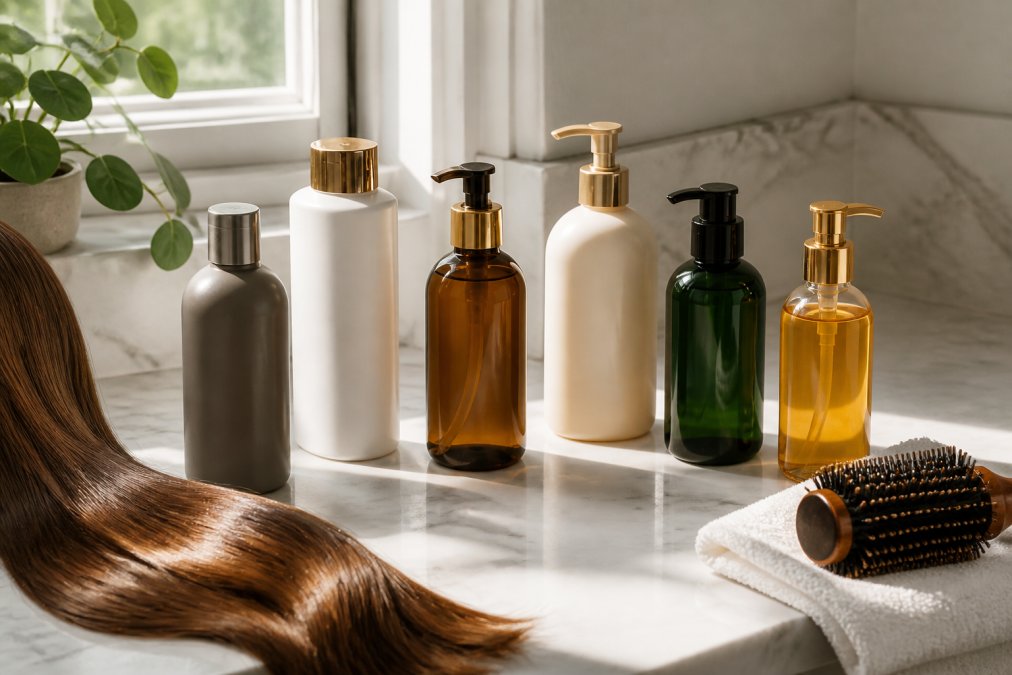
Kerarganic is our top pick for the best sulfate free shampoo for keratin treated hair because it's an excellent option for keratin maintenance. The formula nourishes hair without harsh salts or sulfates, both explicitly absent, which matters because many "keratin-safe" shampoos eliminate sulfates but retain sodium chloride as a thickener. The formaldehyde-free positioning addresses a real concern for clients who've had reactions to older salon treatments.
Best for: Anyone maintaining a salon keratin treatment who wants a system designed specifically for that purpose.
Pros: Completely salt- and sulfate-free, formaldehyde-free, works on all hair textures, professional-grade formula for home use
Biolage Advanced Keratindose: Best for Over-Processed Hair
Over-processed hair presents a specific challenge: the cortex is compromised before the keratin treatment begins. Biolage Advanced Keratindose addresses this with Pro-Keratin and silk protein that targets damaged hair elasticity while gently cleansing. The formula is sulfate, paraben, and silicone-free.
Pricing: $26.95 for 13.5 oz; $59.99 for 33.8 oz
Pros: Targets structural damage, free from three major cuticle disruptors, improves elasticity and shine
Olaplex No. 4: Best for Bond Repair Alongside Keratin Maintenance
Olaplex No. 4 uses patented bond-building technology to reconnect broken bonds caused by chemical processing, heat damage, or mechanical stress. Use it one to two times per week for bond repair, then alternate with a salt-free formula for daily washing.
Pricing: $30.00 for 8.5 oz; $96.00 for 33.8 oz
Pros: Clinically supported bond-building technology, suitable for all hair types, reduces frizz and boosts shine
Moroccanoil Hydrating Shampoo: Best for Moisture-Deprived Hair
Keratin treatments sometimes leave hair feeling smooth but dry. Moroccanoil Hydrating Shampoo addresses this with antioxidant argan oil, red algae, and vitamins A and E. The sulfate, phosphate, and paraben-free formula is color-safe and increases manageability.
Pricing: $25.00 for 8.45 oz; $69.50 for 33.8 oz
Pros: Rich nourishing ingredient profile, leaves hair soft and manageable, color-safe
Hask Keratin Protein Smoothing Shampoo: Best Budget Pick
At under $10 for 12 fl oz, Hask Keratin Protein Smoothing Shampoo is an accessible option on this list. The formula is free from sulfates, parabens, phthalates, gluten, drying alcohol, and artificial colors. Keratin protein and jojoba oil reduce frizz and restore shine.
Pricing: $4.99 to $8.12 for 12 fl oz
Pros: Very affordable, clean ingredient profile, effective frizz reduction
Stefan's Professional Salt & Sulfate-Free: Best for All Textures
Stefan's Professional Salt & Sulfate-Free Shampoo is formulated for all hair textures, straight, wavy, curly, and coily, which matters because many keratin maintenance shampoos underperform on thicker, more porous textures. The keratin-infused formula provides hydration-packed conditioning alongside cleansing and is color-safe.
Pros: Free from both sulfates and salt, keratin-infused, works across all hair textures
Dip Sulfate-Free Shampoo Bar: Best Eco-Friendly Option
Shampoo bars require a two-to-four week adjustment period while the scalp recalibrates sebum production. After that, Dip's Sulfate-Free Shampoo Bar delivers a pH-balanced, plant-based cleanse free from sulfates, silicones, parabens, and plastic packaging. Each bar replaces up to three bottles of traditional shampoo.
Pros: Eco-friendly and plastic-free, free from multiple harsh chemicals, long-lasting and travel-friendly
| Shampoo | Best For | Sulfate-Free | Salt-Free | Keratin-Infused | Price Range |
|---|---|---|---|---|---|
| Kerarganic | All textures, keratin maintenance | Yes | Yes | Yes | Visit site |
| Biolage Keratindose | Over-processed hair | Yes | Yes | Pro-Keratin + silk | $26.95-$59.99 |
| Olaplex No. 4 | Bond repair | Yes | Yes | No (bond-building) | $30.00-$96.00 |
| Moroccanoil Hydrating | Moisture-deprived hair | Yes | Yes | No (argan oil) | $25.00-$69.50 |
| Hask Keratin Protein | Budget-conscious | Yes | Check label | Yes | $4.99-$8.12 |
| Stefan's Professional | All hair textures | Yes | Yes | Yes | Visit site |
| Dip Shampoo Bar | Eco-conscious users | Yes | Yes | No | Visit site |
Keratin Treatment Aftercare: How to Wash and Maintain Results
Keratin treatment aftercare determines whether your results last two months or six. The shampoo you choose is the foundation, but washing technique, frequency, and water quality all compound the outcome.
How Often to Wash Keratin-Treated Hair
Washing keratin-treated hair less frequently extends treatment longevity. Most stylists recommend waiting 72 hours after the initial treatment before the first wash, then settling into a two-to-three times per week routine rather than daily washing.
Water Quality and Its Impact on Treatment Longevity
Hard water is one of the most overlooked variables in keratin treatment longevity. Hard water contains elevated concentrations of calcium and magnesium ions that deposit on the hair shaft, create mineral build-up, and interfere with the hair cuticle's sealed position. If you're in a hard water area, a shower filter or periodic chelating treatment becomes part of effective keratin treatment aftercare. Use low-pH, chelating formulas every four to six weeks to strip mineral deposits without disrupting keratin bonds.
How Long Does a Keratin Treatment Last, and What Shortens It
A keratin treatment typically lasts between two and six months, depending on hair type, aftercare consistency, and environmental factors. Coarser, more porous hair textures tend to see shorter longevity because the hair cuticle is more open and releases keratin proteins more readily.
The factors that reliably shorten a keratin treatment include sulfate exposure, salt in shampoos or ocean water, heat styling without thermal protection, swimming in chlorinated or saltwater, and hard water mineral build-up. Your behavior in the first two weeks after treatment matters most: the bonds are still stabilizing during this window, and exposure to sulfates, humidity, or salt during this period causes disproportionate damage.
Troubleshooting Common Post-Treatment Hair Issues
Most post-treatment problems trace back to product choice, application technique, or water quality.
Frizz returning within two to three weeks: Almost always a sign of sulfate or sodium chloride exposure. Check every product in your routine, shampoo, conditioner, leave-in, and styling products, for both ingredients.
Hair feeling coated or waxy: Often caused by silicone build-up from conditioners or styling products. Switch to a silicone-free formula and use a gentle chelating shampoo once to clear build-up.
Loss of shine despite correct shampoo use: Usually a hard water issue. Install a shower filter or use a vitamin C rinse to neutralize chlorine and reduce mineral deposit accumulation.
Increased breakage after treatment: This indicates the hair was already compromised before treatment. Incorporate a bond-repair shampoo like Olaplex No. 4 one to two times per week alongside your keratin maintenance formula.
Choosing the Right Sulfate-Free Shampoo for Your Hair Type
The best sulfate free shampoo for keratin maintenance isn't universal. Hair porosity, texture, and damage level determine which formula delivers the best results for your situation.
| Hair Profile | Recommended Pick | Key Reason |
|---|---|---|
| All textures, keratin-focused | Kerarganic | Salt- and sulfate-free, keratin-replenishing |
| Over-processed or fragile | Biolage Keratindose | Pro-Keratin and silk for structural repair |
| Damaged, needs bond repair | Olaplex No. 4 | Patented bond-building technology |
| Dry or moisture-deprived | Moroccanoil Hydrating | Argan oil, vitamins A and E for hydration |
| Budget-conscious, healthy hair | Hask Keratin Protein | Clean formula, effective frizz control |
| Thick, coily, or curly texture | Stefan's Professional | Formulated for all texture types |
| Eco-conscious | Dip Shampoo Bar | Plastic-free, pH-balanced, keratin-safe |
For high-porosity hair, prioritize formulas with hydrolyzed protein and amino acid content, these smaller molecules penetrate the cortex rather than sitting on the surface. Low-porosity hair benefits more from lightweight, moisture-focused formulas that won't create build-up. If you're unsure where your hair falls on the porosity spectrum, the float test is reliable: place a clean strand in a glass of water. Hair that sinks quickly has high porosity; hair that floats has low porosity.
Maintaining a keratin treatment long-term requires more than avoiding one bad ingredient. The shampoo you choose sets the baseline, but water quality, washing frequency, and thermal protection habits determine whether your results hold for two months or six. Kerarganic's professional-grade, salt- and sulfate-free formulas are built specifically for this maintenance challenge, with formaldehyde-free keratin replenishment that works across all hair types and textures. Visit kerarganic.com to find the right formula for your hair profile and protect the investment you made in your treatment.
Frequently Asked Questions
Why is sulfate-free shampoo necessary after a keratin treatment?
Sulfates are aggressive surfactants that break down the keratin bonds sealed into your hair cuticle during treatment. Using a shampoo with sulfates after a keratin treatment causes the cuticle to lift, releasing the keratin proteins prematurely. This leads to faster frizz return, reduced smoothness, and a shorter-lasting result. A pH-balanced, sulfate-free formula cleanses gently without disrupting those bonds, preserving shine and frizz reduction for significantly longer.
What ingredients should I avoid in shampoo after a keratin treatment?
The main ingredients to avoid are sodium lauryl sulfate (SLS), sodium laureth sulfate (SLES), and sodium chloride (table salt). Sodium chloride is a common thickening agent in many shampoos, but it actively breaks down keratin bonds. Parabens and certain silicones can also cause build-up that interferes with moisture retention and hair porosity balance. Look for formulas explicitly labeled sulfate-free, salt-free, and paraben-free for the best keratin treatment aftercare results.
How long does a keratin treatment last with proper shampoo use?
With the right sulfate-free shampoo and proper keratin treatment aftercare, results typically last between three and six months. Washing hair less frequently, using cool or lukewarm water, avoiding sodium chloride-based products, and addressing hard water with a filter can all extend longevity toward the higher end of that range. Using a sulfate-containing shampoo even occasionally can cut that window down to four to six weeks.
Can I use a drugstore shampoo on keratin-treated hair?
Some drugstore shampoos are genuinely sulfate-free and salt-free, making them safe for keratin-treated hair. The key is reading the ingredient list rather than trusting the label alone. Options like Hask Keratin Protein Smoothing Shampoo or the ion Keratin Smoothing Shampoo available at mass-market beauty retailers are affordable examples. Always check for sodium chloride and any sulfate-based surfactant before purchasing, regardless of price point.
How often should I wash my hair after a keratin treatment?
Most stylists recommend washing keratin-treated hair no more than two to three times per week. Frequent washing, even with a sulfate-free shampoo, gradually removes the keratin proteins and reduces hair longevity. Extending time between washes also allows your scalp's natural oils to condition the hair shaft, supporting moisture retention and smoothness. A dry shampoo that is salt-free can help manage scalp build-up between wash days.
This article was written using GrandRanker