
Table of Contents
- What 'Organic' Actually Means in Salon Keratin Products
- Formaldehyde-Free Keratin Treatment: What You Need to Know
- Keratin Treatment Ingredient Safety: Decoding the Label
- Organic vs. Traditional Keratin: How They Actually Differ
- Professional Salon Treatments vs. At-Home DIY Keratin Solutions
- How to Verify Ingredient Transparency and Organic Claims
- Hair Type Suitability and Results You Can Actually Expect
- Frequently Asked Questions
Last Updated: September 2, 2026
What 'Organic' Actually Means in Salon Keratin Products
The term "organic" in keratin products is far more complicated than the label suggests. When you see "organic keratin treatment" on a bottle, you're not looking at a product that's entirely organic in the way food labels define it. Instead, you're seeing marketing language that typically refers to a subset of ingredients, usually plant-derived oils, extracts, or natural proteins, blended with synthetic keratin and chemical stabilizers.

At Kerarganic Cosmetics, LLC, we've spent considerable time helping both professionals and consumers decode what "organic" actually means in this category. The reality is that true keratin, the protein that rebuilds damaged hair structure, is synthesized in a lab. No keratin treatment is 100% organic, because the active ingredient itself isn't extracted from nature. What varies is whether the supporting ingredients (oils, preservatives, conditioning agents) come from plant sources or synthetic chemistry.
The FDA doesn't regulate cosmetic claims like "organic" the way it does for food. This means brands have significant freedom in how they label products. A keratin treatment labeled "organic" might contain organic argan oil and plant proteins, but still include synthetic preservatives, silicones, or other chemical compounds. The distinction matters because some consumers are trying to avoid specific chemicals entirely, while others simply prefer plant-derived supporting ingredients alongside their keratin treatment.
Formaldehyde-Free Keratin Treatment: What You Need to Know
Formaldehyde-free keratin treatment is the safer alternative to traditional salon keratin formulas that release formaldehyde as a byproduct during the heating and bonding process. This distinction is critical because formaldehyde is a volatile organic compound (VOC) linked to respiratory irritation, allergic reactions, and long-term health concerns with repeated exposure (the CDC).
Many traditional keratin treatments use formaldehyde-releasing compounds to create stronger bonds between keratin proteins and the hair cuticle. The heat activation process breaks down these compounds, releasing formaldehyde gas into the air and onto the stylist's and client's skin. Formaldehyde-free formulas achieve similar smoothing and strengthening results by using alternative bonding agents, typically amino acids, plant-derived proteins, and cross-linking polymers that don't release toxic gases.
What most guides miss is that "formaldehyde-free" doesn't automatically mean "completely safe." A formaldehyde-free treatment can still contain other synthetic chemicals, preservatives, or ingredients that some people react to. The benefit of formaldehyde-free is specifically about eliminating that particular health risk during application and the weeks following treatment.
Professional stylists often prefer formaldehyde-free treatments because they eliminate the respiratory exposure that comes with applying traditional keratin multiple times per week. The application process typically involves applying the treatment to damp hair, blow-drying it, then flat-ironing at high heat to activate the formula. With traditional formaldehyde-releasing treatments, this process fills the salon with chemical fumes. Formaldehyde-free alternatives reduce that occupational hazard significantly.
The Kerarganic Cosmetics, LLC Organic Keratin System is formulated without formaldehyde, using a blend of organic-certified ingredients and amino acids to achieve keratin bonding without the chemical release. This approach makes it safer for both salon professionals and at-home users.
Keratin Treatment Ingredient Safety: Decoding the Label
Reading a keratin product label requires understanding which ingredients do what and which ones raise legitimate safety concerns. The first thing to recognize is that ingredient lists are ordered by concentration, the first ingredients make up the largest percentage of the formula.
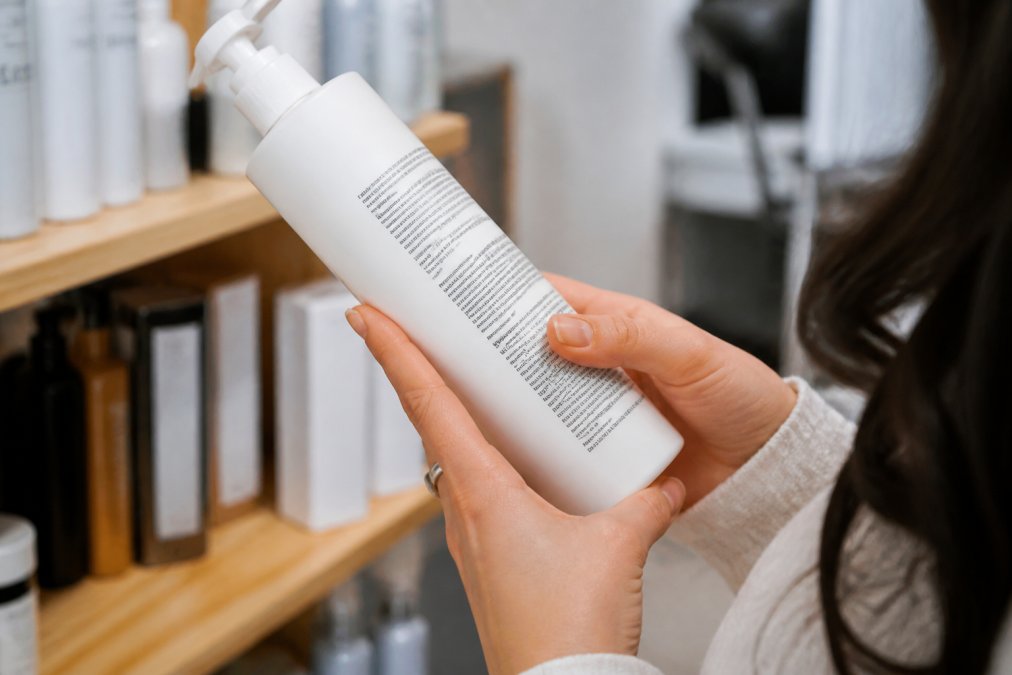
A keratin treatment label typically starts with water, followed by keratin (or hydrolyzed keratin), then conditioning agents, preservatives, and plant extracts. What matters is what comes after the keratin. If you see silicones, sulfates, or parabens high on the list, those ingredients coat the hair and can build up over time, making hair feel heavy or greasy. If you see plant oils like argan, coconut, or jojoba oil early in the list, the formula is designed to nourish while strengthening.
Parabens are preservatives that prevent bacterial and fungal growth in products. They're considered safe by regulatory agencies, but some consumers prefer to avoid them due to concerns about hormone disruption (the FDA). Sulfates are cleansing agents that strip oils from hair, they're effective but harsh, which is why many keratin-treated hair routines recommend sulfate-free shampoos to preserve treatment results.
Ingredients to Avoid
Formaldehyde and formaldehyde-releasing preservatives (like DMDM hydantoin, imidazolidinyl urea, or diazolidinyl urea) should be avoided if you're concerned about respiratory health or allergic reactions. Dimethyl phthalate (DBP) is a plasticizer sometimes found in keratin treatments; it's been linked to reproductive concerns and is banned in some regions (europa.eu).
Heavy silicones like dimethicone can provide shine and smoothness but build up on hair over time, eventually weighing it down and preventing moisture penetration. If a product lists silicones in the top five ingredients, it's a heavy-silicone formula, effective for shine but potentially problematic for long-term hair health.
Sulfates strip natural oils from hair, which is counterproductive when you're trying to maintain a keratin treatment. Sodium lauryl sulfate (SLS) and sodium laureth sulfate (SLES) are common culprits. For keratin-treated hair, sulfate-free shampoos are essential to extend treatment longevity.
What Plant-Derived and Natural Proteins Actually Do
Plant-derived proteins like hydrolyzed wheat protein, hydrolyzed soy protein, or plant amino acids provide temporary strengthening and smoothing. They coat the hair cuticle and fill small gaps, making hair feel smoother and stronger in the short term. However, they wash out with repeated shampooing, they're not permanent like keratin bonding.
Argan oil, coconut oil, and jojoba oil are plant extracts that provide conditioning and antioxidant benefits. These ingredients nourish the hair and can reduce frizz, but they don't actually repair damage the way keratin does. They're supporting ingredients that enhance the treatment's results and protect hair between applications.
Amino acids like glycine, leucine, and arginine are the building blocks of protein. When included in keratin treatments, they support the keratin's ability to bond with the hair structure and provide additional strengthening. Many formulas market amino acids prominently because they're associated with protein-based hair repair.
Organic vs. Traditional Keratin: How They Actually Differ
The core difference between organic and traditional keratin treatments comes down to supporting ingredients and processing methods, not the keratin itself. Both types use keratin as the active ingredient. Both work by penetrating the hair cuticle and bonding with the protein structure to smooth, strengthen, and reduce frizz.
Traditional keratin treatments often include formaldehyde-releasing compounds, synthetic preservatives, and heavy silicones. They're designed for maximum strength and longevity, typically lasting 12-16 weeks with proper maintenance. The trade-off is chemical exposure during application and the potential for buildup on hair over time.
Organic keratin treatments prioritize plant-derived supporting ingredients, formaldehyde-free formulas, and gentler preservative systems. They typically last 8-12 weeks, slightly shorter than traditional treatments, because the bonding mechanism is less aggressive. The benefit is reduced chemical exposure and a lighter feel on hair, though results may not be quite as dramatic or long-lasting.

In practice, this means traditional keratin is better for severely damaged, highly textured, or very frizzy hair where maximum strength and longevity matter most. Organic keratin works well for moderately damaged hair, color-treated hair, or anyone concerned about chemical exposure. Both can deliver noticeable smoothing and frizz reduction, the choice depends on your hair's condition and your personal priorities regarding chemical exposure. argan oil benefits.
Professional Salon Treatments vs. At-Home DIY Keratin Solutions
Professional salon treatments deliver stronger, more consistent results because stylists control application temperature, timing, and technique. A salon keratin treatment involves a multi-step process: pre-treatment cleansing, keratin application, heat activation, and proper cool-down. Professionals have years of experience reading hair condition and adjusting the process accordingly.
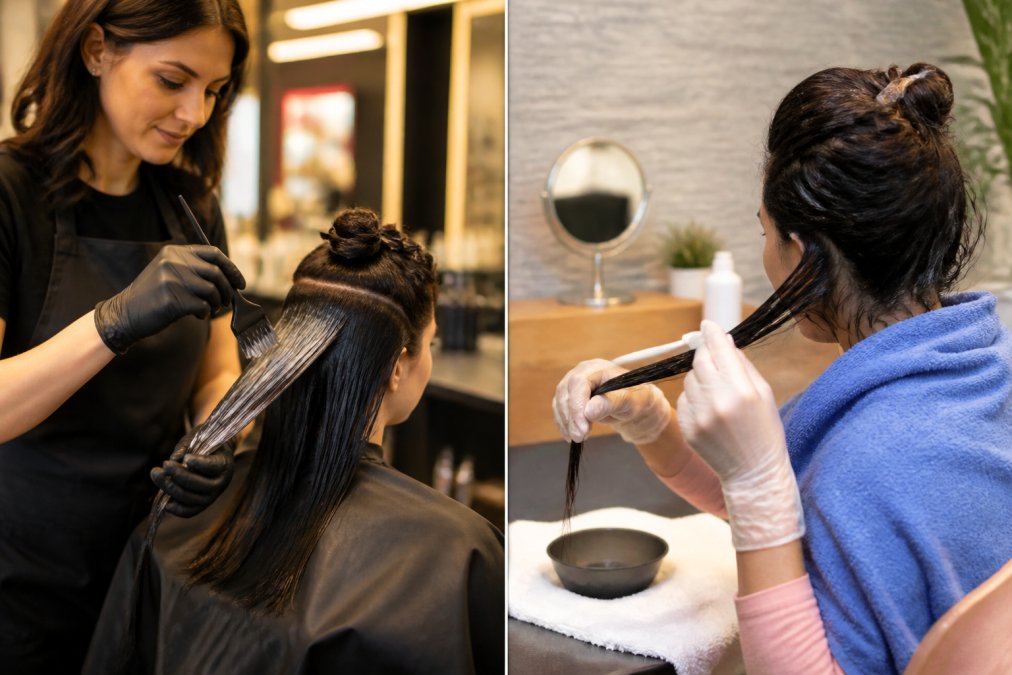
At-home DIY keratin treatments offer convenience and lower cost, but require more precision from the user. You're responsible for sectioning hair correctly, applying even coverage, timing the processing, and activating at the right temperature. Most at-home kits come with detailed instructions, but execution is trickier without professional experience.

Professional treatments typically cost between $200-$400 depending on hair length and salon location. At-home DIY kits range from $45-$160, making them significantly more affordable. The Kerarganic Cosmetics, LLC DIY Organic Keratin Treatment Set offers a formulated at-home option that includes pre-treatment shampoo, keratin treatment, and nourishing mask, designed to simplify the process for users without professional training.
The real difference in results comes down to hair type and expectations. Professional treatments are worth the investment if you have severely damaged hair, very thick or coarse texture, or high expectations for longevity and dramatic smoothing. At-home treatments work well for maintenance between professional treatments, for moderately damaged hair, or for anyone wanting to test keratin before committing to salon services.
Many stylists recommend a professional treatment first, then maintain results at home with sulfate-free shampoos and periodic at-home treatments. This hybrid approach balances cost with results, you get the strong initial treatment from a professional, then sustain it affordably at home.
How to Verify Ingredient Transparency and Organic Claims
Ingredient transparency starts with reading the full ingredient list and understanding what each component does. Legitimate brands list ingredients in order of concentration and don't hide anything behind vague terms like "fragrance" or "natural extracts." If a brand won't provide a complete ingredient list, that's a red flag.
Look for third-party testing certifications. Some keratin products carry certifications from organizations that verify formulations don't contain harmful substances or that certain ingredients are genuinely organic. These certifications aren't required by law, but they're valuable signals of transparency. Brands confident in their safety and ingredient sourcing typically pursue these certifications.
Check the brand's sourcing claims. Do they specify where plant-derived ingredients come from? Do they mention organic certification for those ingredients? Legitimate brands can trace their supply chain and provide documentation. If a brand claims "organic" but can't show certification from the USDA or equivalent body, the claim is purely marketing.
Ask for safety data sheets (SDS) or product documentation. Reputable brands provide these upon request. They detail the chemical composition, potential hazards, and proper handling procedures. If a brand can't or won't provide this information, you can't verify their safety claims.
Compare ingredient lists across brands in the same price range. If one brand lists significantly fewer synthetic chemicals or more plant-derived ingredients than competitors, that's a meaningful difference. If all brands in a category use similar formulations, the "organic" claims are likely marketing differentiation rather than substantive differences.
Hair Type Suitability and Results You Can Actually Expect
Keratin treatments work on all hair types, but results vary significantly based on hair texture, damage level, and natural characteristics. Fine, straight hair sees dramatic smoothing and shine with minimal frizz reduction because there's less frizz to begin with. Coarse, curly, or textured hair sees maximum frizz reduction and manageability improvement, but may not achieve the sleek straightening effect that fine hair does.
Severely damaged hair, from bleaching, chemical relaxers, or repeated heat styling, responds best to keratin treatments because the protein fills gaps in the damaged cuticle and restores strength. Healthy hair sees improvement in shine and manageability but less dramatic transformation because there's less damage to repair.
Color-treated hair benefits from keratin treatments because they seal the cuticle and reduce color fading. The protein coating protects color molecules from washing out as quickly. However, you should wait at least two weeks after coloring before applying keratin treatment to allow the color to fully set.
Realistic expectations for results: Keratin treatments reduce frizz by 60-80%, add noticeable shine, improve manageability, and make styling faster. They don't permanently straighten curly hair unless you're using a straightening-specific keratin formula (which is more aggressive). Most people see results lasting 8-16 weeks depending on hair care routine and treatment type.
Common mistake: Expecting keratin to replace your natural hair texture. A keratin treatment smooths and strengthens existing texture but doesn't fundamentally change curl pattern or wave. If you have naturally curly hair, keratin will make curls smoother and more defined, not straight.
Results depend heavily on aftercare. Using sulfate-free shampoo, avoiding heat styling for 48-72 hours after treatment, and deep conditioning weekly extends results significantly. Many people see disappointing results because they return to harsh shampoos or frequent heat styling immediately after treatment, undoing the keratin bonding.
The distinction between organic and traditional salon keratin products ultimately comes down to ingredient sourcing and chemical exposure rather than fundamental efficacy differences. Both deliver noticeable smoothing, frizz reduction, and strength improvement, the choice depends on your hair's condition, your tolerance for synthetic chemicals, and your budget. For anyone concerned about formaldehyde exposure or preferring plant-derived supporting ingredients, formaldehyde-free organic options like those from Kerarganic Cosmetics, LLC provide professional-quality results without the chemical concerns of traditional treatments. The key is reading ingredient lists carefully, understanding what each component does, and matching the treatment type to your specific hair needs and lifestyle priorities.
Frequently Asked Questions
Are salon keratin products truly organic?
Most salon keratin products marketed as 'organic' contain a blend of synthetic and plant-derived ingredients rather than being 100% organic. The term 'organic' in keratin treatments typically refers to the inclusion of certified organic plant extracts like argan oil, aloe, or coconut oil, not the entire formula. Formaldehyde-free keratin treatment options use alternative chemical compounds to achieve smoothing results while avoiding formaldehyde and related aldehydes. Check product labels for third-party certifications or ingredient transparency to verify actual organic content.
What does formaldehyde-free actually mean in keratin treatments?
Formaldehyde-free keratin treatment means the product does not contain formaldehyde or formaldehyde-releasing preservatives like methylene glycol. Instead, these treatments use alternative chemical compounds to cross-link keratin proteins and smooth the hair cuticle. Formaldehyde-free options still require heat activation and proper ventilation during application, but they eliminate exposure to volatile organic compounds (VOCs) associated with traditional formulas. However, 'formaldehyde-free' does not automatically mean the product is entirely chemical-free or non-toxic.
What ingredients should I avoid in keratin treatments?
Avoid keratin products containing formaldehyde, methylene glycol, parabens, sulfates, and synthetic silicones if you're seeking gentler alternatives. Formaldehyde and aldehydes are linked to respiratory irritation and long-term health concerns. Sulfates strip natural oils from hair and can reduce treatment longevity. Parabens are preservatives with potential endocrine-disrupting properties. Look instead for products featuring amino acids, natural proteins, argan oil, antioxidants, and plant-derived smoothing agents. Reading the full ingredient list, not just marketing claims, is essential for making informed choices.
How do I know if a keratin product is actually safe?
Verify safety by checking for third-party testing, certifications from dermatological organizations, and transparent ingredient labeling. Reputable brands list all ingredients in descending order by concentration. Look for formaldehyde-free certification and check whether the product has been tested for volatile organic compounds and heavy metals. Professional-grade keratin treatment options from established brands typically provide safety data sheets and ingredient transparency. Ask your stylist for product documentation or visit the manufacturer's website to confirm formulations before purchasing or having treatments applied.
This article was written using GrandRanker