
Table of Contents
- The 48-72 Hour Waiting Period After Treatment
- Best Sulfate Free Shampoo and Conditioner for Keratin
- Washing and Cleansing Guidelines to Maintain Keratin Treatment
- How to Sleep with Keratin Treated Hair
- Deep Conditioning and Hydration for Extended Results
- Hair Styling, Heat Protection, and Avoiding Damage
- Troubleshooting Common Post-Treatment Issues
- Conclusion
Last Updated: August 17, 2026
The 48-72 Hour Waiting Period After Treatment
The most critical phase for maintaining keratin treatment happens before you even wash your hair. Your hair cuticle remains open and vulnerable for the first 48 to 72 hours after a keratin treatment, which means any contact with water during this window can compromise the entire investment. This waiting period allows the keratin to fully penetrate and bond with your hair shaft, creating that smooth, frizz-free finish you paid for.
During these first few days, avoid any water exposure entirely. That includes showers, swimming, sweating during workouts, and even humid environments that might introduce moisture. Many people underestimate how serious this window is. Skip the gym, reschedule your run, and keep your hair completely dry. The longer you can extend this period without water contact, the stronger your keratin treatment bonds will be.
This initial phase sets the foundation for how long your results will last. Rushing back to your normal routine too quickly is one of the most common mistakes that leads to premature fading. Treat this 48-72 hour window as non-negotiable. Once you've cleared this critical period, you can begin your maintenance routine with confidence.
Best Sulfate Free Shampoo and Conditioner for Keratin
Sulfates are salt-based cleansing agents that strip away natural oils and damage your hair cuticle. For keratin-treated hair, sulfates are your enemy. They break down the keratin bonds and cause the treatment to fade rapidly, leaving you with dull, frizzy hair weeks before your results should fade naturally. The best sulfate free shampoo and conditioner formulas use gentler cleansing agents that preserve your treatment while still removing buildup.
Look for products specifically formulated for color-treated or keratin-treated hair. These shampoos typically contain hydrolyzed keratin, which replenishes what your hair loses during styling and environmental exposure. At Kerarganic Cosmetics, LLC, our formulations are designed specifically to extend keratin treatment results by nourishing the hair shaft without harsh chemical stripping.
When shopping for sulfate-free options, check the ingredient label for sodium chloride as well. Sodium chloride (table salt) is often added to shampoos as a thickening agent, but it absorbs moisture from your hair and weakens keratin bonds. Avoid any product listing sodium chloride in the first five ingredients. Your conditioner should be rich and moisturizing, focusing on hydration rather than lightweight formulas. Thicker, creamier conditioners provide better moisture retention for treated hair.
The difference between a generic sulfate-free shampoo and one formulated for keratin-treated hair is significant. Generic sulfate-free products are usually designed for color-treated hair, which has different needs than keratin-treated hair. Keratin treatments require formulas that actively reinforce the treatment rather than just avoiding damage.
Washing and Cleansing Guidelines to Maintain Keratin Treatment
Water Temperature and Rinse Techniques
Hot water opens the hair cuticle and allows moisture to escape, which weakens keratin bonds. The warmer the water, the faster your treatment fades. Use lukewarm or cool water for every wash, even though it feels less luxurious. Your hair will thank you with extended results. When you rinse your conditioner, finish with a final cool-water rinse to seal the hair cuticle and lock in moisture.
The rinse temperature matters as much as the wash temperature. A 30-second cool rinse at the end of your shower significantly improves hair elasticity and shine. This simple step helps your hair retain the smooth, polished appearance that keratin treatments provide.
Washing Frequency and Co-Washing Options
Wash your hair no more than two to three times per week. Frequent washing strips away the natural oils your scalp produces, which protect your hair and extend keratin treatment longevity. If you have an active lifestyle or oily hair, co-washing is an excellent alternative. Co-washing uses conditioner instead of shampoo to cleanse your hair gently while maintaining moisture.
On days between shampoos, use dry shampoo or co-wash to refresh your hair without harsh cleansing agents. This approach maintains your keratin treatment while keeping your hair clean and manageable. Many people find that keratin-treated hair actually requires less frequent washing because the treatment reduces frizz and makes hair more manageable, so styling takes less effort and creates less buildup.
How to Sleep with Keratin Treated Hair
Your pillowcase is either your keratin treatment's best friend or its worst enemy. Cotton pillowcases create friction that causes breakage and frizz. Silk or satin pillowcases reduce friction dramatically, allowing your hair to glide smoothly while you sleep. This single change can extend your keratin treatment results by weeks and reduce split ends significantly.
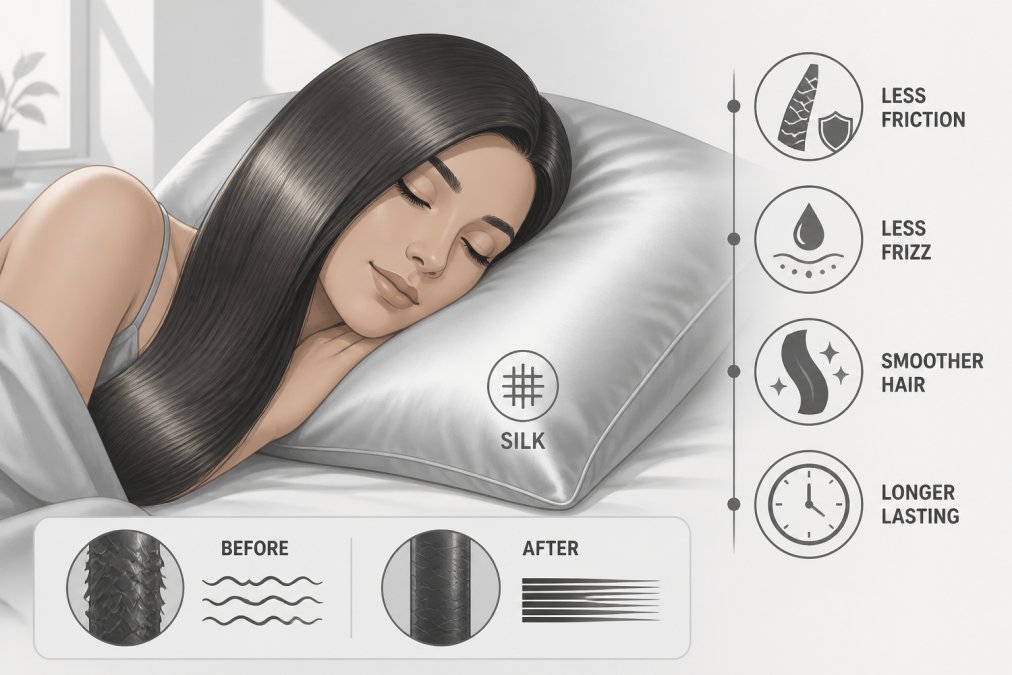
If you don't have a silk pillowcase yet, invest in one immediately. The cost is minimal compared to the damage prevention you'll gain. Alternatively, wrap your hair in a silk scarf or bonnet before bed. This creates a protective barrier that prevents your hair from rubbing against cotton, which causes friction and frizz.
Sleep position also matters. Try to sleep on your back or with your hair positioned away from your face. Sleeping face-down on your hair creates unnecessary tension and friction. Some people find that loosely braiding their hair before bed prevents tangling and reduces breakage. A loose braid keeps your hair organized without creating the tight tension that damages the hair shaft.
Avoid going to bed with wet hair. Wet hair is more fragile and prone to breakage. If you shower at night, dry your hair completely before sleeping, or wait until morning to shower if possible. The combination of wet hair, friction from your pillowcase, and the pressure of your head creates the perfect storm for keratin treatment damage.
Deep Conditioning and Hydration for Extended Results
Keratin treatments work by filling the porous spaces in your hair shaft and smoothing the cuticle. Over time, your hair loses moisture through normal styling and environmental exposure. Deep conditioning treatments replenish that moisture and keep the keratin bonds strong. Use a deep conditioning mask once weekly, applying it from mid-length to ends and leaving it on for at least 10 minutes.
Look for deep conditioners containing hydrolyzed keratin, which bonds to your hair and reinforces the treatment. These products actively extend your results rather than just providing temporary moisture. The best deep conditioning treatments for keratin-treated hair also include ingredients that improve hair elasticity and reduce split ends.
Apply deep conditioning treatments to damp (not soaking wet) hair. Damp hair absorbs moisture more effectively than completely dry hair. Leave the mask on for 10-20 minutes, or follow the product instructions. Some people use a shower cap to trap heat, which opens the hair cuticle slightly and allows deeper penetration. Rinse thoroughly with cool water to seal the cuticle and lock in the treatment.
Hydration is the foundation of keratin treatment longevity. Without adequate moisture, your hair becomes brittle and the keratin bonds break down faster. Think of hydration as the insurance policy for your treatment. The time you invest in deep conditioning directly translates to weeks of extended results.
Hair Styling, Heat Protection, and Avoiding Damage
Safe Heat Styling Practices
Heat styling is compatible with keratin treatments, but only with proper protection. Always apply a heat protectant spray before using any heat tool. Heat protectants create a barrier between your hair and the heat source, reducing moisture loss and preventing damage. Spray the product evenly throughout your hair, focusing on the mid-lengths and ends where keratin treatment is most concentrated.
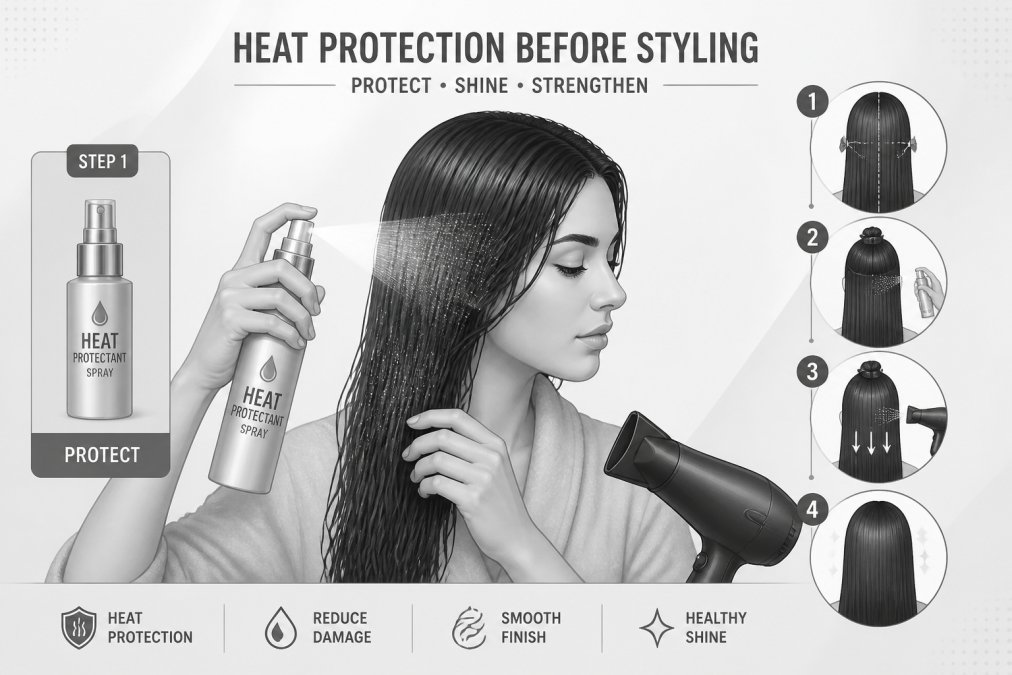
Use heat tools at moderate temperatures. A flat iron set to 300-350°F is sufficient for most keratin-treated hair. Higher temperatures don't produce better results, they just damage your hair faster. Blow-dry your hair on a lower heat setting whenever possible. If you use a flat iron, move it through your hair smoothly without stopping in one spot, which creates heat damage.
Limit heat styling to 2-3 times per week if possible. On other days, embrace air-drying or heatless styling methods. Your keratin treatment actually makes air-drying more practical because the treatment reduces frizz naturally. Many people find they can skip heat styling entirely on some days, which significantly extends their treatment results.
Hair Accessories and Tying Hair Back
Tight hair ties, clips, and rubber bands create tension that breaks hair and damages your keratin treatment. Use soft, fabric-covered hair ties or silk scrunchies that won't snag or pull. Avoid metal clips and tight ponytails that create stress on your hair shaft. When you do tie your hair back, keep it loose enough that you can fit a finger underneath the tie.
Minimize the time you spend with your hair pulled back tightly. If you wear your hair up all day at work, try to release it as soon as you get home. The constant tension from tight styling gradually weakens your hair and causes breakage. Loose, low ponytails or buns are gentler alternatives to tight updos.
Troubleshooting Common Post-Treatment Issues
Frizz Control and Maintaining Hair Elasticity
Frizz returns when your hair loses moisture or when the keratin coating begins to break down. If you notice frizz appearing before your treatment should naturally fade, you're likely exposing your hair to moisture or heat damage that you didn't realize. Review your washing routine, pillowcase material, and heat styling practices.
Hair elasticity, the ability of your hair to stretch and bounce back, is a sign that your keratin treatment is still working. If your hair feels brittle or breaks easily, your treatment is fading and you need to increase hydration immediately. Add an extra deep conditioning treatment per week and reduce heat styling. These adjustments usually restore elasticity within a few days.
Frizz control products like serums and oils can help, but they're temporary fixes. The real solution is addressing the underlying cause: moisture loss or treatment breakdown. A lightweight serum applied to damp hair before blow-drying helps seal moisture in. Avoid heavy oils that weigh down your hair, especially at the roots.
Swimming, Chlorine, and Saltwater Exposure
Chlorine and saltwater are extremely damaging to keratin treatments. Chlorine opens the hair cuticle and strips away the keratin coating. Saltwater does the same while also introducing salt that absorbs moisture from your hair. If you must swim, wet your hair with fresh water and apply a leave-in conditioner first. This pre-wetting reduces how much chlorine or saltwater your hair actually absorbs.
Wear a swim cap if possible. This is the most effective way to protect your keratin treatment from pool or ocean water. If you can't wear a cap, rinse your hair thoroughly with fresh water immediately after swimming and apply a deep conditioning treatment. The faster you remove chlorine or salt, the less damage occurs.
Plan your swimming around your keratin treatment schedule if possible. Ideally, swim during the last week or two of your treatment cycle when the results are already beginning to fade naturally. This minimizes the impact on your investment.
Maintaining your keratin treatment at home is entirely manageable when you understand what damages the treatment and what protects it. The core principles are simple: avoid excess water and heat, use sulfate-free products, keep your hair hydrated, and protect it during sleep and styling. Kerarganic Cosmetics, LLC offers professional-quality, sulfate-free formulations specifically designed to extend your keratin treatment results and rebuild strength in over-processed hair. Start with a sulfate-free shampoo and conditioner, add a weekly deep conditioning treatment, and invest in a silk pillowcase. These foundational steps will keep your hair smooth, shiny, and frizz-free for months.
| Maintenance Task | Frequency | Impact on Results |
|---|---|---|
| Wash with sulfate-free shampoo | 2-3 times weekly | Extends treatment 4-6 weeks |
| Deep conditioning treatment | Once weekly | Adds 2-3 weeks to treatment life |
| Cool water rinse | Every wash | Seals cuticle, improves shine |
| Sleep on silk pillowcase | Every night | Prevents breakage and frizz |
| Heat protectant before styling | Before heat tools | Reduces damage by 60% |
| Avoid chlorine exposure | As needed | Prevents immediate fading |
Frequently Asked Questions
Do I really need to wait 3 days to wash hair after a keratin treatment?
Yes. The first 48-72 hours are critical for keratin to bond with your hair shaft. Washing too early disrupts this process and significantly shortens treatment longevity. During this waiting period, avoid water, sweat, and humidity. After 72 hours, use only sulfate-free shampoo and lukewarm water to preserve the keratin coating and maintain hair integrity.
What ruins a keratin treatment fastest?
Sulfate-based shampoos are the primary culprit, they strip away the keratin layer and sebum protection. Chlorine and saltwater exposure also damage treated hair rapidly. Excessive heat styling without thermal protection, sleeping on cotton pillowcases, and frequent washing break down the treatment. Tight hairstyles and harsh brushing cause split ends and accelerate fading. Using products with sodium chloride or harsh cleansing agents further compromises results.
How often should I use a deep conditioner after keratin treatment?
Use a hydrating deep conditioning treatment 1-2 times per week to maintain moisture retention and hair elasticity. Keratin-treated hair requires extra hydration because the treatment can temporarily reduce natural sebum production. Look for products with hydrolyzed keratin and pH-balanced formulas. Deep conditioning prevents split ends, maintains shine, and extends treatment longevity by keeping the hair cuticle sealed and nourished.
Can I tie my hair up 3 days after keratin treatment?
Avoid tight hairstyles for at least 72 hours after treatment to allow keratin to fully set. After the waiting period, use loose, hair-friendly accessories like silk scrunchies or claw clips. Tight ponytails and buns create creases and cause breakage in freshly treated hair. When you do style, keep tension minimal and alternate where you tie your hair to prevent damage to the same section repeatedly.
This article was written using GrandRanker